 Sign up with Google
 Sign in with Zoho

Picture this: you notice a small red spot on the bottom of your foot. It doesn't hurt, so you figure it'll go away on its own. A week later, it's bigger. Two weeks later, it's infected. For someone living with diabetes, that tiny spot is not a minor inconvenience.
It's a medical emergency quietly building. Diabetic foot ulcers follow this exact pattern every single day, and thousands of people don't catch them in time. The difference between wound care at home and ending up in surgery comes down to one thing: How quickly you get the right help?
Why Diabetic Wounds are Different?
Most wounds heal on their own. A cut, a scrape, a bruise, your body handles it. But diabetes changes the rules.
When blood sugar stays high over time, it slowly damages nerves and blood vessels. Damaged nerves mean you stop feeling pain in your feet. Damaged blood vessels mean less oxygen and nutrients reach your skin. Together, these two things create the perfect storm for a wound that won't heal. In Asia, the prevalence of DFU among diabetic patients is estimated at approximately 5.5%.
A foot ulcer in a diabetic patient can go from a surface-level sore to a deep, infected wound in days. Bacteria get in. Tissue starts dying. If it reaches the bone, the infection becomes very hard to treat. That's why early professional intervention is necessary.
What Wound Care at Home Actually Looks Like?
A lot of people assume wound care means sitting in a waiting room, getting a quick look, and going home with a box of gauze. That's not how skilled wound care at home works.
Initial Assessment & Care Planning
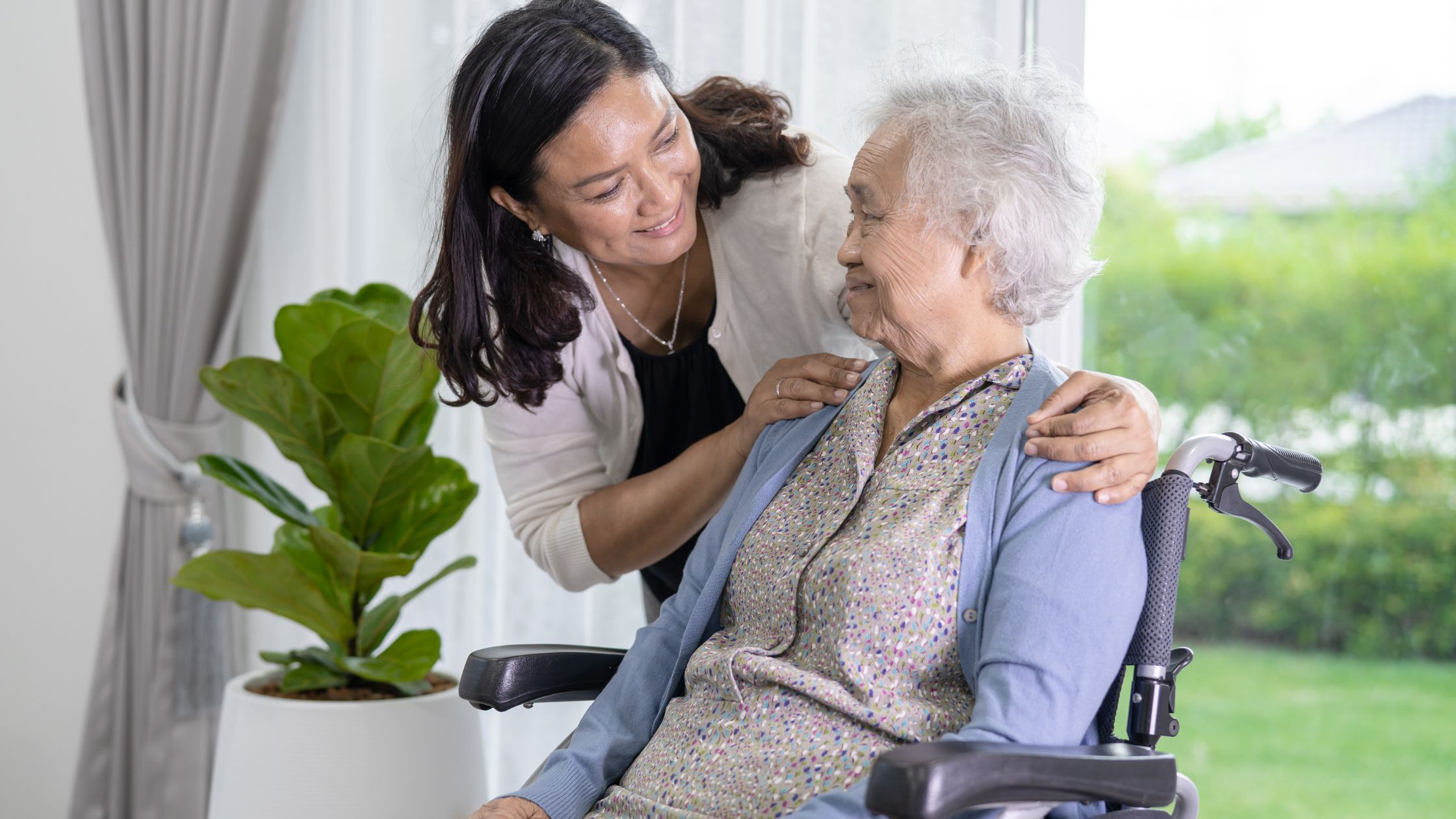
A certified home health nurse brings clinical expertise directly to your living room. The first visit involves a thorough assessment; the size, depth, and smell of the wound, plus the skin around it, are all checked carefully. The nurse documents everything and coordinates directly with your doctor to build a care plan specific to your wound.
Ongoing Dressing & Infection Monitoring
Visits are scheduled then based on how serious the wound is. Dressings are changed on a medical schedule, not a guessed one. The nurse watches for signs of infection with each visit. Patients and family members are also taught what to look for between visits.
This is what proper wound care at home looks like. It's not DIY bandaging. It's clinical-grade care, delivered where you're most comfortable.
Pressure Ulcers: The Other Wound Most People Don't Expect
Diabetic patients who spend a lot of time in bed or in a wheelchair face a second risk: pressure ulcers. Most people know them as bedsores.
Bedsores form when constant pressure cuts off blood flow to the skin. The tissue breaks down, and an open sore develops on the heels, tailbone, or hips. For someone with diabetes, this is especially dangerous because the same circulation problems that slow foot ulcer healing also slow pressure ulcer healing.
How does Pressure Ulcer Care at Home Help in This Situation?
Pressure ulcer care at home addresses this with regular repositioning guidance, specialised protective dressings, and skin-barrier products. A skilled nurse can manage early-stage pressure ulcers before they deepen and can escalate care to the physician if they do.
The same applies to bed sore treatment at home for largely immobile patients.
Comparing Stages: What Home Care Can Handle
Stages 1 and 2 respond very well to wound care at home. Catching a pressure ulcer early and treating it consistently almost always prevents it from reaching Stage 3 or 4.
How to Choose the Right Home Health Agency?
All home health agencies are different. When you're looking for a home health care agency in Chicago, here are the things that actually matter:
Home Heal Healthcare is a skilled home health care agency in Chicago that provides nursing-led wound care, physician coordination, and personalised care plans; all covered under Medicare for qualifying patients.
Signs a Wound Needs Immediate Emergency Care
Home care handles a lot, but some signs mean you need to call 911 or go to the ER right away:
- Fever above 101°F combined with a worsening wound.
- Black, green, or grey tissue in or around the wound.
- Red streaks are spreading away from the wound site.
- Sudden foul smell that wasn't there before.
- Confusion, chills, or rapid heartbeat alongside the wound.
These are signs of a serious systemic infection. Don't wait for the next scheduled nurse visit.
Get Expert Wound Care Before a Small Problem Becomes a Big One
A diabetic wound left untreated doesn't stay small. It grows, it deepens, and it gets complicated. The encouraging part is that most diabetic foot ulcers and pressure ulcers can be managed successfully with the right help in your own home.
If you or someone in your family is dealing with a foot ulcer, a bedsore, or any slow-healing wound, don't wait for it to get worse. Contact Home Heal Healthcare today to ask about skilled wound care at home in the Chicago area. A nurse will coordinate with your doctor, come to you, and get care started; no complicated steps, no surprises.
FAQs
Q1. Can a nurse really manage a diabetic foot ulcer at home?
Yes. With a physician's referral, a skilled home health nurse can assess, dress, debride, and monitor a diabetic foot ulcer. Many foot ulcers are fully managed at home without a single hospital stay.
Q2. Is wound care at home covered by insurance?
For patients who qualify as homebound, Medicare Part A covers skilled nursing visits at no out-of-pocket cost. Many private insurance plans also cover it.
Q3. How is bed sore treatment at home different from diabetic wound treatment?
Bedsores come from pressure; diabetic wounds usually come from nerve damage and poor circulation. Both need skilled nursing, but the dressings, debridement methods, and prevention strategies are different.
Q4. How many times a week will the nurse come?
It depends on the wound's severity and your doctor's orders. Stage 1–2 pressure ulcers need 2–3 visits per week. More complex diabetic foot ulcers or Stage 3 bedsores may need daily skilled nursing.