 Sign up with Google
 Sign in with Zoho


Walk into any well-maintained office, school, or medical facility, and you probably will not think twice about how clean it is. But behind that spotless environment is a deliberate choice someone made, i.e., the right cleaning service for the right job.
Many facility managers and business owners use "commercial cleaning" "janitorial services" as if they mean the same thing. They do not. Choosing the wrong one could mean overpaying for services you do not need or, worse, ending up with a facility that never gets the deep clean it requires.
This guide breaks down both options clearly so you can make a smart and informed decision.
What are Commercial Cleaning Janitorial Services?
The phrase ‘commercial cleaning janitorial services’ is used as an umbrella term in the industry, but it actually covers two distinct types of work. Both keep facilities clean and safe, but they differ in scope, frequency, and purpose.
What is Commercial Cleaning?
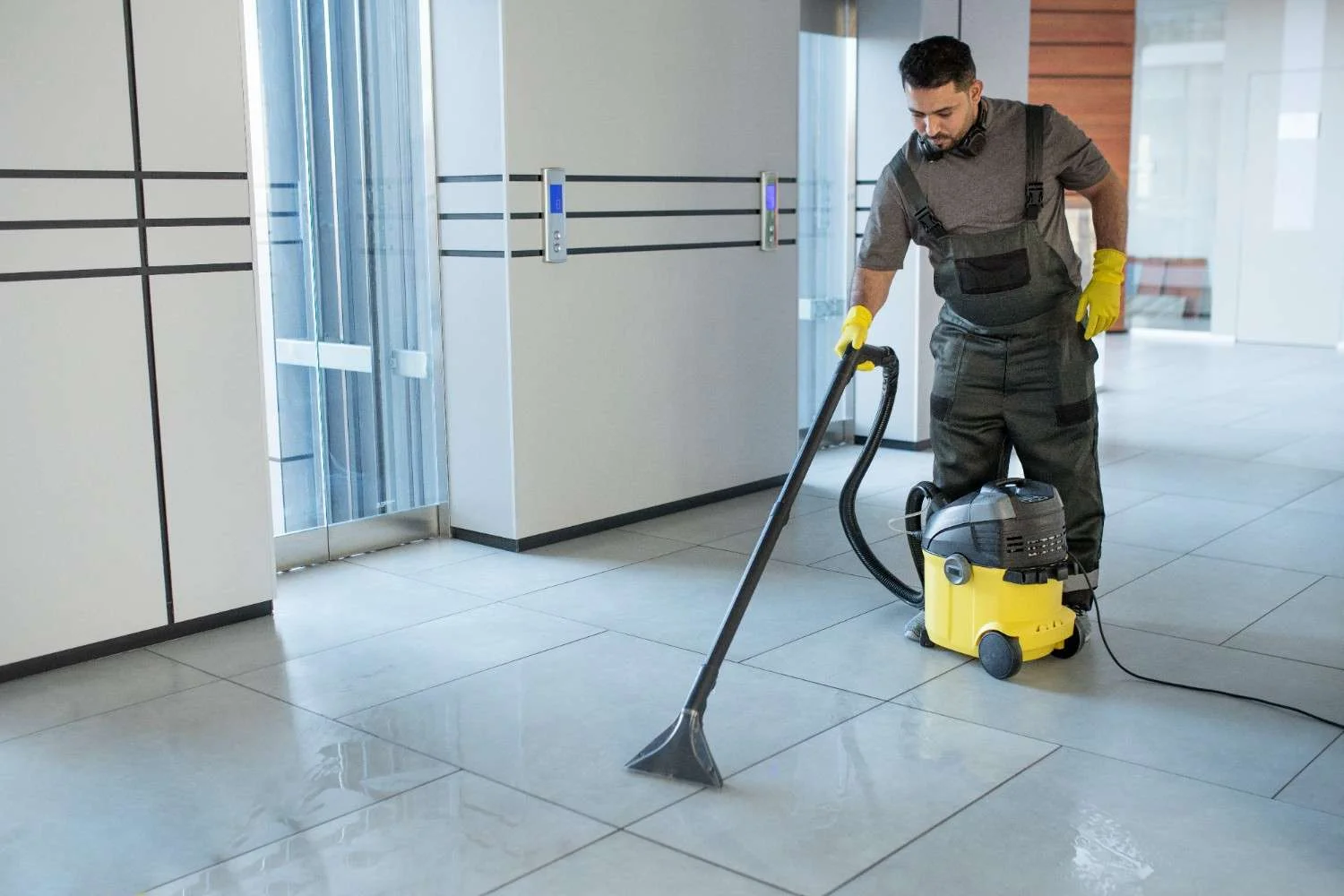
Commercial cleaning refers to specialised, large-scale, or periodic cleaning tasks. Think carpet extraction, post-construction cleanup, high-pressure washing, window cleaning on multi-storey buildings, or deep sanitation after a renovation.
These are not everyday jobs. They require specialised equipment, trained technicians, and are typically scheduled on a project basis or a few times per year.
What are Janitorial Cleaning Services?
On the other hand, Janitorial cleaning services handle the day-to-day upkeep of a facility. Emptying trash bins, mopping floors, wiping down surfaces, restocking restroom supplies, and vacuuming common areas; this is janitorial work. It runs on a recurring schedule, whether daily, three times a week, or weekly, depending on how busy your facility is.
Key Differences Between the Two
Here is a simple side-by-side look at how these two services compare:
The simplest way to think about it: janitorial work keeps a facility maintained, while commercial cleaning restores or transforms it.
What Does Your Facility Actually Need?
It depends on your facility type, usage, and how often things get messy.
When to Choose Commercial Cleaning?
If your building has recently been renovated, or if your carpets haven't been deep-cleaned in over a year, you should consider commercial cleaning services. This is also important if you manage a warehouse with heavy equipment residue and dust buildup. It is also the right call after events, floods, or any situation where surface-level cleaning simply will not cut it.
When to Choose Janitorial Cleaning Services?
Offices, retail stores, schools, clinics, and co-working spaces thrive on routine. Janitorial cleaning services are the backbone of daily hygiene for these environments. Staff showing up every morning to clean restrooms, wipe reception desks, and vacuum floors keeps your space presentable and your employees healthy.
When You Need Both?
Many facilities actually benefit from combining the two. A medical office might schedule janitorial staff to clean five days a week. They would also hire a commercial cleaning team for deep disinfection and floor stripping every three months. This layered approach gives you the best of both worlds.
Benefits of Professional Cleaning & Janitorial Services
Outsourcing your cleaning and janitorial services to professionals is not just about convenience. It makes practical and financial sense, too.
Health & Safety Compliance
Dirty facilities are a liability. In the healthcare, food service, and education sectors, cleanliness is tied directly to regulatory compliance. A professional team knows the standards and ensures your facility meets them consistently.
Cost Efficiency & Productivity
When employees are not worrying about taking out trash or cleaning shared spaces, they focus on their actual work. Outsourcing also eliminates the cost of hiring, training, and managing in-house cleaning staff. You pay for the service, not the overhead.
How to Choose the Right Cleaning Partner?
All providers are different. Here is what to look for when evaluating a company offering janitorial cleaning services or commercial cleaning:
- Experience in your industry: A company that cleans offices may not be equipped for healthcare or industrial spaces.
- Certifications and insurance: Always verify that the provider carries liability insurance and relevant certifications.
- Flexible scheduling: Your facility should not have to adjust around their availability.
- Clear service agreements: Scope of work, frequency, and pricing should be documented upfront.
- References or reviews: Ask for client references or check verified online reviews before signing anything.
In Closing,
Understanding the difference between ‘commercial cleaning janitorial services’ is not a technicality; it is a decision that directly affects your facility's hygiene, compliance, and operating costs. Routine upkeep and deep cleaning both have their place, and the smartest facilities use both strategically.
Not sure where your facility stands? Reach out to a professional cleaning and janitorial services provider today for a site assessment. The right team will assess your space and suggest the best mix of services. They will create a plan that fits your schedule and budget. This way, your facility will stay clean, safe, and professional every day.
FAQs
Q1. What is the difference between commercial cleaning and janitorial services?
Commercial cleaning covers deep, specialised, or project-based tasks, while janitorial services focus on routine daily or weekly maintenance. Both fall under the broader category of commercial cleaning janitorial services, but they serve different operational needs.
Q2. Can one company provide both services?
Yes. Many full-service providers provide both under a single contract, which simplifies scheduling, billing, and accountability.
Q3. How frequently should a facility book commercial cleaning?
It varies by industry and foot traffic, but most facilities schedule it quarterly to annually, alongside their regular janitorial routine.
Q4. Are janitorial cleaning services suitable for small businesses?
Absolutely. Most providers offer scalable plans, so small businesses can access professional cleaning without paying for more than they need.