 Sign up with Google
 Sign in with Zoho

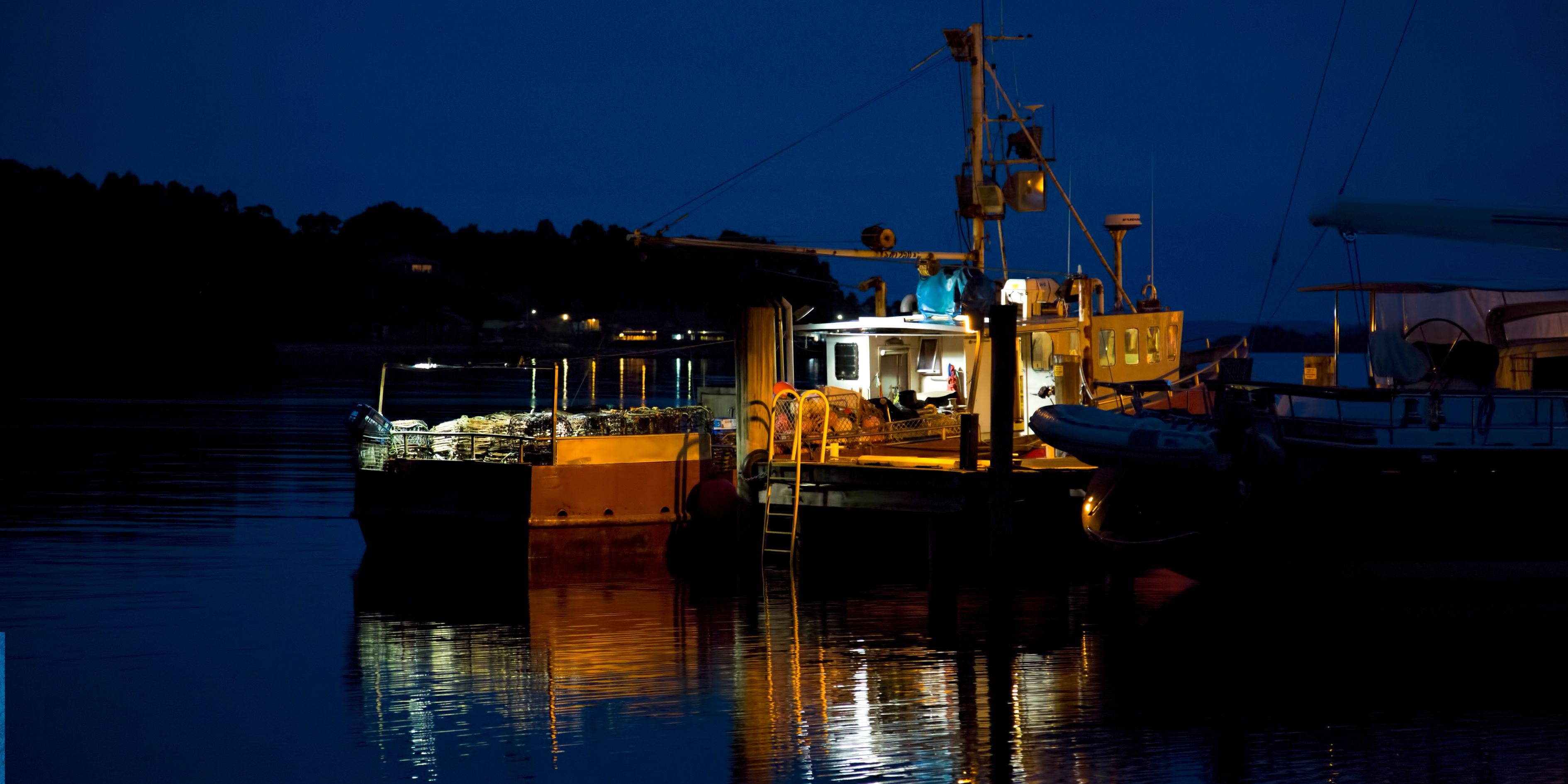
Navigating the water after sunset should feel calm but not stressful. Yet many boat owners quickly discover that ordinary lighting fails fast in harsh marine environments. If you are one of those who are searching for the best marine lights that can survive saltwater, vibration, and long hours of use, you are not alone.
From my personal experience working on boat refits and with marina maintenance teams, most lighting problems come down to one thing: products designed for land, not for life on the water. That is why modern best marine LED lights are becoming the standard for serious boaters in 2026.
This guide explains what truly matters when choosing marine lighting for saltwater use and how to avoid rust, flicker, and repeat replacements.
Why Marine Lighting Matters on Saltwater Boats?
Marine lighting is not only about appearance. It plays three critical roles on any vessel.
Safety and compliance on the water
Proper navigation and deck lighting are really important as they help other vessels see you clearly. It also enables you to safely cross the deck in dark, wet, or rough weather.
Poor or malfunctioning lights heighten the dangers of collisions, slips, and docking damage, particularly in busy marinas and harbor channels.
Visibility for real-world tasks
Night fishing, handling lines, cleaning, engine inspections, and docking require steady, strategic lighting.
In actual use, poor lighting has been a source of more problems than most owners suspect.
Aesthetics and comfort
Well-designed marine lighting improves onboard comfort. Soft cabin lighting, clean deck illumination, and underwater glow also add visual appeal without sacrificing safety.
Problems with Traditional Marine Lights in Saltwater
Many owners switch lights every season for the same reasons.
Corrosion and rust damage
Saltwater is corrosive. Even a small amount of water inside the housing causes corrosion of the terminals, reflectors, and connections.
Plastic lenses cloud. Steel screws seize. Fiberglass mounting brackets stain.
Flickering and voltage instability
Aging halogen and incandescent lamps are sensitive to:
· Voltage drop
· Water intrusion
· Poor grounding
· Engine vibration
The consequences are flickering, dimming, and erratic failures.
Battery drain and heat buildup
Conventional lamps drain much more power. On smaller boats, this imposes an unnecessary burden on the batteries and produces excessive heat in enclosed fixtures.
What Are the Best Marine Lights in 2026?
Waterproof and submersible protection
Look for products rated:
· IP67 – protected against water immersion up to 1 meter
· IP68 – designed for continuous submersion
For deck, cockpit, and underwater lighting, these ratings are no longer optional.
Marine-grade housing and hardware
The best marine lights use:
· stainless steel fasteners (316-grade)
· marine-grade aluminum housings
· sealed polycarbonate lenses
These materials resist salt spray, UV exposure, and thermal expansion.
LED performance and thermal management
Modern marine LED lights now include:
· Integrated heat sinks
· Thermal protection drivers
· Regulated constant-current circuits
· This prevents early diode failure and color shift over time.
· Brightness is designed for marine use.
Lumens alone are not enough. Beam spread and glare control matter more on water.
Quality lighting provides:
· wide flood for decks
· focused beam for docking and spotting
· low-glare output for cabin comfort
Best Marine Lights for Saltwater Boats: Real-World Categories That Work
Navigation and compliance lighting
Bow, stern, and mast lights must meet visibility regulations and color accuracy standards.
In practice, high-quality LED navigation lights are now:
· Maintain consistent color temperature
· Resist lens discoloration
· Draw minimal current during overnight operation
Deck and work lighting
Deck lights are used more than any other fixture onboard.
Experienced installers recommend:
· surface-mounted sealed LEDs
· wide-angle flood patterns
· downward shielding to reduce glare at eye level
Cabin and interior marine lighting
Cabin LEDs should offer:
· warm color temperatures (3000K–4000K)
· low-profile housings
· dimming compatibility
This avoids harsh glare and reduces fatigue during long evenings onboard.
Underwater marine lighting
Underwater lighting is now used not only for aesthetics but also for night fishing and hull safety checks.
The best marine LED lights for underwater use include:
· full resin-sealed housings
· bronze or composite bodies
· multi-stage sealing systems
· These designs dramatically reduce leak risk.
Docking and search lighting
For night approaches and unfamiliar harbors, many captains rely on:
· fixed LED spotlight
· remote-controlled LED searchlights
· dual-beam flood/spot combinations
These improve situational awareness without overpowering navigation lighting.
Installation and Maintenance Tips That Prevent Early Failure
Proper wiring is more important than the fixture
From field experience, most failures come from poor wiring rather than faulty products.
Always use:
· tinned marine-grade copper wire
· adhesive-lined heat shrink connectors
· proper strain relief at entry points
· Seal every penetration
Even high-quality lights will fail if water enters the mounting hole.
Apply marine-grade sealant around:
· cable glands
· mounting screws
· fixture bases
·Regular cleaning extends lifespan.
Salt buildup traps moisture. Light housings should be rinsed periodically with fresh water especially after offshore use.
This small habit significantly slows corrosion.
Cost vs. Value: Why Cheap Lights Usually Cost More
Budget fixtures may appear attractive at checkout. However, over two or three seasons, owners often replace:
· corroded terminals
· failed drivers
· cracked lenses
Higher-grade products typically offer:
· longer LED driver warranties
· certified waterproof construction
· tested vibration resistance
For commercial operators and serious recreational boaters, reliable lighting reduces downtime and maintenance costs.
Best Marine LED Lights vs Traditional Marine Bulbs
Longevity
LED systems often exceed 30,000 operating hours. Especially Halogen and incandescent bulbs, which rarely reach a fraction of that.
Power efficiency
LED lights draw up to 80% less current. This directly extends battery runtime especially valuable on overnight trips.
Stability
Modern LED drivers stabilize voltage and eliminate flicker during engine startup and load changes.
Expert Insights from Marine Installers and Boat Owners
Over the past several seasons, I have worked alongside marine electricians in coastal marinas, where lighting upgrades are among the most requested improvements.
One consistent lesson stands out:
Most owners underestimate the amount of vibration and moisture their lights experience.
Lights installed near transoms, railings, and T-tops flex constantly. Products without proper internal strain relief slowly break solder joints and connectors even when the housing remains sealed.
Another common mistake is mixing automotive accessories with marine wiring systems. These parts are not only designed for salt exposure and UV radiation, but also for marine-grade current standards.
So, it's really very important that choosing lighting designed specifically for marine use not simply "water-resistant" is the difference between seasonal replacement and multi-year reliability.
Why Choosing the Best Marine Lights in 2026 Matters More Than Ever
Our new ships rely on built-in electronic systems, lithium batteries, and fine control circuitry, and even a failure in lighting is not only a matter of visibility. Still, it can actually make system operations more complicated.
As the sophistication of marine electrical systems increases, so too must the reliability requirements of the lighting components associated with them.
The choice of best-suited marine lights is no longer a function of aesthetics. It is a function of compatibility, longevity, and safety.
Conclusion:
Upgrade Once, Sail with Confidence If you are fed up with replacing failed housings, troubleshooting flickering wiring, and dealing with cheap equipment failures during one season only, then investing in the best marine lights will be one of the most intelligent enhancements you could make to your watercraft.
Best marine LED lights deliver reliable performance, energy efficiency, and genuine resistance to saltwater damage. They would give you long, consistent service, whether fishing, docking, or having a quiet evening on the water.
Frequently Asked Questions About the Best Marine Lights
Q1. What makes marine LED lights not the same as any other combination of light bulbs?
Ans. The LEDs outlive the bulbs, generate less heat, require less power, and do not vary in brightness. LEDs are better at withstanding vibrations and the common voltage fluctuations on boats.
Q2. Is it even possible to use marine lights in the water?
Ans. Yes, when well-constructed. Search by IP rating, e.g., IP67 or IP68; by construction material, e.g., stainless steel, bronze or aluminum that is of marine grade and sealed with wiring connections.
Q3. What is the brightness of marine lights?
Ans. The navigation lights should also meet the legal visibility requirements. The deck lights are reported to perform best at 800-2,000 lumens.
Q4. Are Marine LED lights consuming the Battery?
Ans. No, The LEDs consume much less energy than halogen or incandescent lights and also extend battery life, allowing them to be used for a long time.
Q5. Is it worth installing underwater marine lights? Is it worth installing underwater marine lights?
Ans. For many boat owners, yes. They enhance viewing around the hull, attract baitfish at night, and enhance attractiveness without consuming much power.








.webp)