Sign up with Google
 Sign in with Zoho

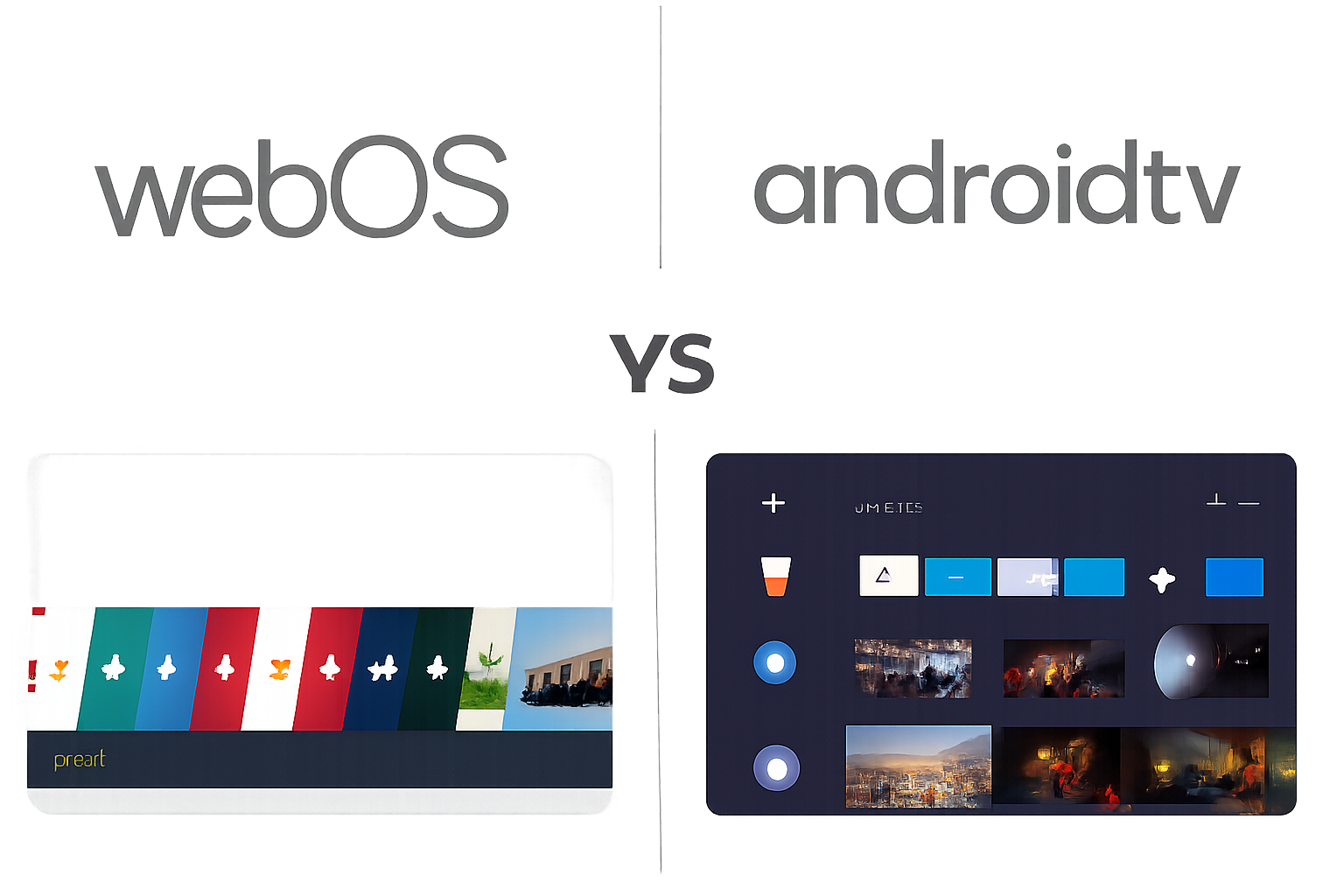
The Platform Decision That Happens Earlier Than You Expect
When you set out to launch an OTT app, you probably think about content first. Maybe monetization. Maybe UI design. The operating system… that tends to come later.
But here’s the thing. If you’re planning to launch an online TV channel, the choice between webOS and Android TV isn’t just technical groundwork. It quietly shapes how your app behaves, how users interact with it, and even how easily you can scale.
And once you’re deep into development, changing that decision isn’t exactly simple.
Understanding webOS in a Real-World Context
webOS, primarily found on LG Smart TVs, has a very distinct personality. It’s clean, almost minimal, and designed to stay out of the way. The interface doesn’t try too hard to impress, and maybe that’s why it works.
For OTT apps, webOS offers a controlled environment. Fewer device variations, more consistency in how your app looks and performs. Developers often appreciate that predictability. You build something, and it behaves more or less the same across supported devices.
But that control comes with limits.
Customization options can feel narrower compared to other platforms. You’re working within a defined framework, and while it’s stable, it doesn’t always encourage experimentation. If your app relies on unique UI patterns or unconventional navigation, you might find yourself adjusting ideas to fit the platform rather than the other way around.
Still, for a polished, straightforward viewing experience, webOS holds its ground.
Android TV: Broader Reach, More Moving Parts
Android TV feels different almost immediately. It’s expansive. Flexible. A little unpredictable at times.
Unlike webOS, Android TV runs across a wide range of devices and manufacturers. That reach is hard to ignore, especially if your goal is to launch an online TV channel with global accessibility. More devices mean more potential viewers.
But that scale introduces complexity.
Performance can vary depending on hardware. Some devices handle high-quality streaming effortlessly, while others need careful optimization. Developers often spend extra time testing, tweaking, and adjusting to ensure a consistent experience across the board.
Where Android TV really stands out is flexibility. You can experiment more freely, integrate with other Google services, and design experiences that feel less constrained. It gives you room to grow, even if that growth comes with a bit of unpredictability.
webOS vs Android TV: Where the Real Differences Show
The comparison between webOS vs Android TV becomes clearer when you look beyond surface features.
webOS leans toward stability and simplicity. It’s ideal if you want a controlled environment where your app behaves consistently and the user experience feels refined without too many variables.
Android TV, on the other hand, leans toward scale and adaptability. It’s built for reach, for experimentation, for evolving alongside your platform as it grows.
Even user behavior can differ slightly. webOS users often engage with apps in a more direct, intentional way. Android TV users, influenced by broader content discovery features, may explore more before settling on something to watch.
These aren’t drastic differences, but they add up over time.
Development Effort and Long-Term Maintenance
This is where things get a bit more practical.
Developing for webOS can feel more contained. Fewer device variations mean fewer surprises during testing. Maintenance tends to be more predictable, which can be a relief for smaller teams or projects with limited resources.
Android TV requires a bit more patience. You’re dealing with multiple screen sizes, hardware capabilities, and performance profiles. It’s not overwhelming, but it does demand a more thorough approach to testing and optimization.
That said, the payoff is reach. And for many OTT platforms, that trade-off makes sense.
Content Strategy and Platform Alignment
Not all content behaves the same way across platforms.
If your OTT app focuses on high-quality, curated experiences, something that feels almost premium, webOS aligns well with that vision. Its controlled environment supports a consistent, polished presentation.
If your strategy leans toward volume, variety, or rapid expansion, Android TV offers the flexibility to support that growth. It’s better suited for platforms that expect to evolve quickly, adding features, experimenting with formats, and reaching diverse audiences.
The platform doesn’t just host your content. It subtly influences how that content is consumed.
Final Thoughts
Choosing between webOS and Android TV isn’t about picking the “better” system. It’s about understanding what each one enables and what it quietly restricts.
webOS gives you stability, consistency, and a streamlined user experience. Android TV offers scale, flexibility, and room to experiment.
If you’re planning to launch an online TV channel, the smartest approach isn’t to rush the decision. It’s to align the platform with your long-term vision.
Because once your app is out there, living on people’s screens, these underlying choices don’t stay invisible.
They shape every interaction, every stream, every moment someone decides whether to keep watching… or move on.