Sign up with Google
 Sign in with Zoho
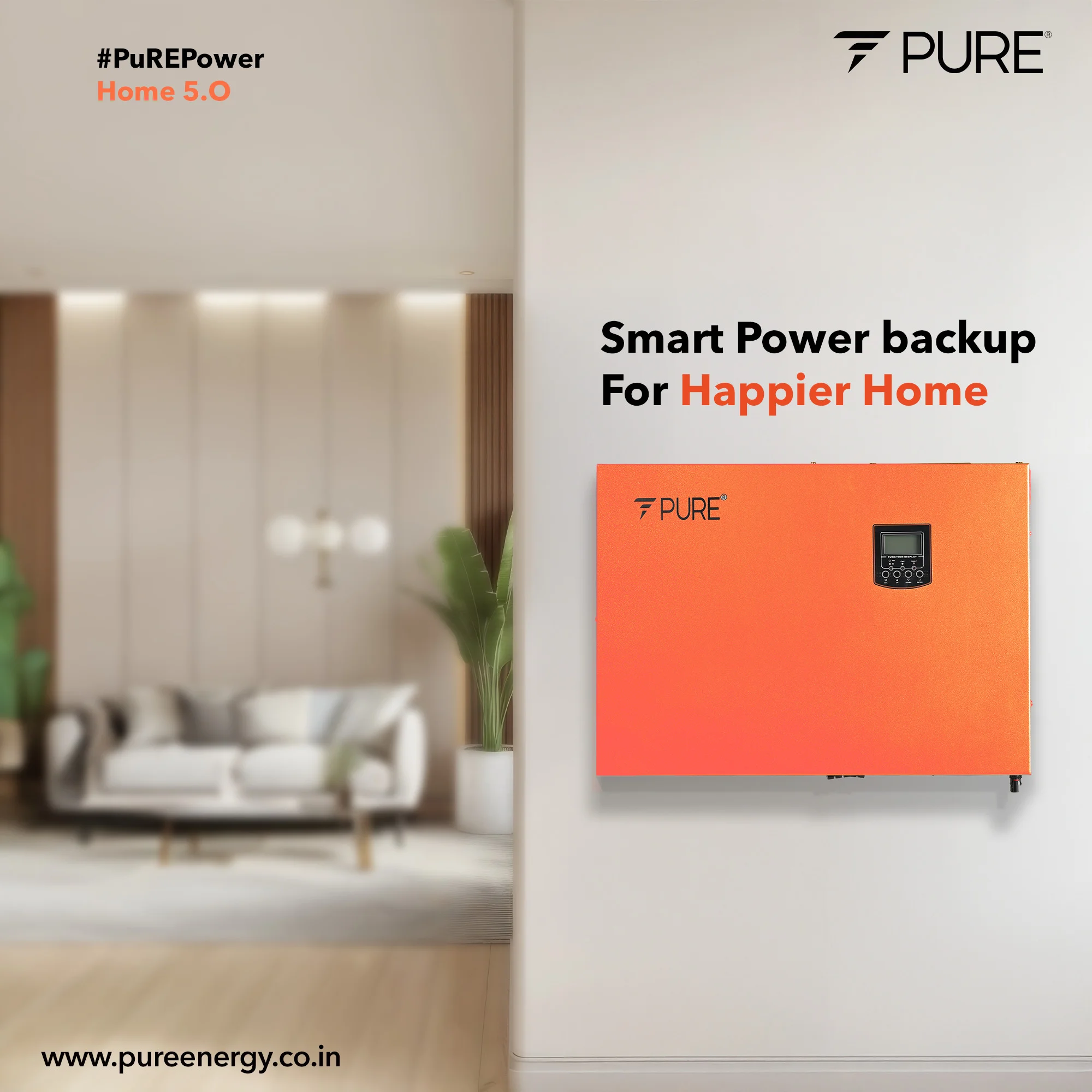

However, that era is rapidly drawing to a close. A quiet, emission-free revolution is humming beneath India's power grid. Rows of lithium cells, stacked and integrated inside smart battery enclosures, are taking over. Battery Energy Storage Systems (BESS) are no longer just a futuristic concept. They are actively replacing traditional diesel generators at a record pace across Indian businesses.
The shift isn’t just driven by environmental goodwill; it is fueled by a volatile mixture of stringent government regulations, soaring fuel costs, and massive strides in technology. Let’s dive deep into why Indian enterprises are pulling the plug on diesel and switching to battery energy storage.
The Perfect Storm: Why the Reign of Diesel Generators is Ending
To understand why the market is pivoting so quickly, we have to look at the mounting pressures that make operating a diesel generator increasingly impractical.
1. Tightening Environmental Regulations and the CAQM Mandate
Air pollution remains one of the most critical challenges facing major Indian urban areas. In response, authorities have moved from issuing gentle warnings to implementing strict bans. The Commission for Air Quality Management (CAQM) in the National Capital Region (NCR) has implemented sweeping restrictions on the use of diesel generator sets, particularly during winter months under the Graded Response Action Plan (GRAP).
Commercial and industrial sectors have faced complete bans on running standard DG sets unless they undergo expensive conversions to dual-fuel systems (natural gas + diesel) or install specialized Retrofit Emission Control Devices (RECDs). For many businesses, these regulatory hurdles make maintaining older diesel systems a legal and administrative nightmare.
2. The Soaring Cost of Diesel vs. Free Solar Energy
Financially, diesel backup has become a black hole for operational budgets. With retail diesel prices hovering stubbornly high, the running cost of a generator can easily soar between ₹20 to ₹30 per unit (kWh) of electricity generated, factoring in fuel consumption, thermodynamic inefficiencies, and regular mechanical wear and tear.
Conversely, pairing a battery storage system with on-site rooftop solar allows businesses to capture abundant, free solar power during the day and use it whenever grid outages hit. Even when charging the BESS directly from the grid during off-peak hours, the cost per unit is a fraction of what diesel demands.
3. Corporate Sustainability and ESG Mandates
Modern Indian enterprises are no longer isolated from global markets; they are bound by strict Environmental, Social, and Governance (ESG) criteria. Boardrooms are under immense pressure to map and slash their Scope 1 emissions. A single 500 kVA diesel generator running for just a few hours a week can completely derail a company's carbon neutrality goals. Switching to a completely silent, zero-emission battery system immediately rectifies this issue on corporate balance sheets.
Enter BESS: How Battery Energy Storage Systems Work
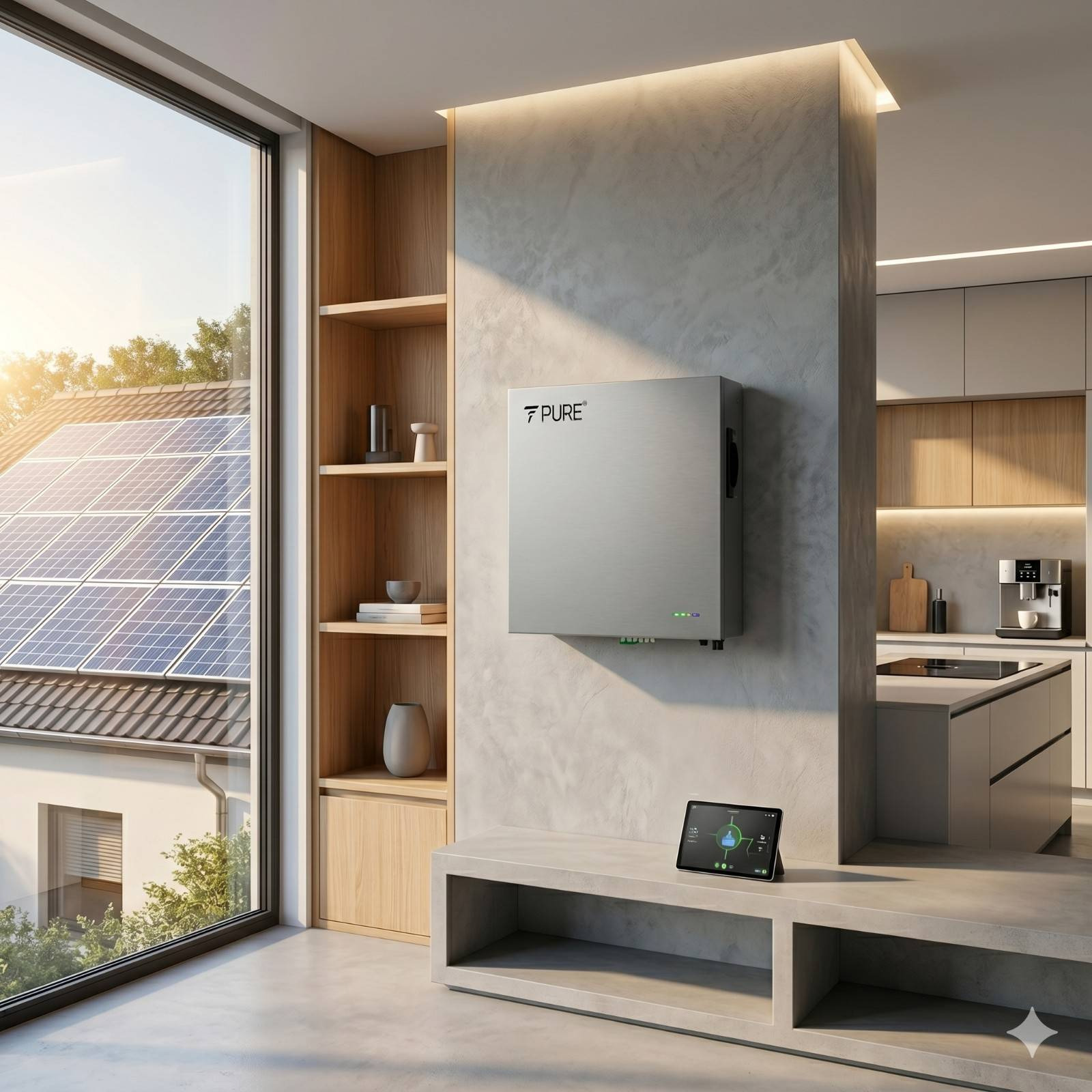
A Battery Energy Storage System is far more than a glorified home inverter. It is an advanced, high-tech electrochemical solution designed to capture electrical energy from multiple sources—such as the utility grid, solar arrays, or wind turbines—and store it dynamically.
[Solar Panels / Grid] ---> [Power Conversion System (Inverter)] ---> [Lithium-Ion Battery Bank] | v [Smart Energy Management System] | v [Critical Industrial / Commercial Load]
At its core, a commercial-scale BESS includes:
- Lithium-Ion Battery Module Banks: Typically utilizing Lithium Iron Phosphate (LFP) chemistry, which is heavily favored in India for its high thermal stability, safety profile, and prolonged lifecycle.
- Power Conversion System (PCS): A bi-directional inverter system that manages the alternating current (AC) to direct current (DC) flow during charging and discharging.
- Energy Management System (EMS) and BMS: The digital brains of the setup that balance cell voltages, monitor operating temperatures, and intelligently decide when to store power or discharge it to avoid peak utility tariff windows.
Technical and Operational Advantages of BESS Over Diesel
When comparing the two systems head-to-head, BESS outperforms traditional diesel generators across almost every functional metric.
Instantaneous Millisecond Response Times
When the main power grid fails, a standard diesel generator requires anywhere from 15 to 45 seconds to crank up, stabilize its engine RPM, and start delivering load. For mission-critical environments—such as hospital ICUs, data centers, advanced semiconductor assembly lines, or financial institutions—this brief gap can mean catastrophic data loss or equipment failure.
Because of this limitation, facilities have historically had to install an online UPS system alongside a diesel generator to bridge the gap. A BESS, however, features a transfer time of under 20 milliseconds, providing instantaneous power backup and eliminating the need for a separate, redundant UPS layer.
Revenue Generation via Peak Shaving and Grid Arbitrage
A diesel generator is entirely passive; it sits idle and degrades, costing money even when it isn't running due to mandatory maintenance schedules. A BESS is an active, revenue-generating financial asset.
Through Peak Demand Shaving, businesses can program their BESS to discharge during periods of maximum facility consumption, preventing the enterprise from breaching its contract demand with the distribution company (DISCOM) and avoiding steep financial penalties.
Furthermore, businesses can exploit Grid Arbitrage by charging their battery banks late at night when time-of-day (ToD) electricity tariffs are at their lowest, and discharging that power during the day when grid electricity is most expensive.
Market Drivers Accelerating BESS Adoption in India
The Indian government has recognized that achieving its massive goal of 500 GW of non-fossil fuel energy capacity by 2030 requires substantial investments in energy storage. To help lower capital costs, the government launched comprehensive Viability Gap Funding (VGF) schemes specifically for BESS projects.
Simultaneously, the Ministry of Heavy Industries introduced a ₹18,100-crore Production-Linked Incentive (PLI) scheme for Advanced Chemistry Cell (ACC) manufacturing, pushing local production lines to build world-class battery cells right here in India. To learn more about standard grid-scale specifications, you can browse technical guidelines over at the Ministry of Power website at https://www.pib.gov.in/ for updated industrial framework updates.
Another game-changer is the emergence of innovative business models. Historically, the high initial capital expenditure (CAPEX) prevented small-to-medium enterprises from moving away from diesel.
Today, providers have unlocked the Battery-as-a-Service (BaaS) framework. This operational expenditure (OPEX) model allows businesses to pay only for the backup power they consume, while third-party energy developers retain, maintain, and manage the underlying battery assets.
A prime example of this can be found in the hospitality sector, where large venues are transitioning toward emission-free alternatives. For detailed pricing breakdowns on industrial battery storage solutions and sizing calculators, check out professional energy diagnostics guides on https://www.suvastika.com/blog/bess-energy-storage-guide to estimate facility paybacks.
Conclusion
The transition from noisy, polluting diesel generators to sleek, intelligent Battery Energy Storage Systems is a fundamental evolution in how Indian businesses manage power. Backed by aggressive government policy support, plummeting battery cell manufacturing costs, and the harsh realities of urban air pollution, BESS has officially crossed the threshold into absolute commercial viability. Moving away from diesel is no longer just a nod to environmentalism—it is an astute, forward-thinking strategy for operational resilience and financial savings.
Frequently Asked Questions (FAQ)
1. Is BESS completely capable of replacing a diesel generator for long power cuts?
Yes, a BESS can be specifically tailored to handle extended power cuts. While a diesel generator can theoretically run indefinitely as long as you keep refueling it, a BESS is sized based on your critical facility load and required backup hours. When integrated with an on-site rooftop solar plant, the system can continuously recharge itself during daylight hours, creating a self-sustaining microgrid that handles multi-hour outages seamlessly.
2. What is the typical lifespan of a commercial Battery Energy Storage System?
Modern commercial BESS setups built with high-quality Lithium Iron Phosphate (LFP) cells generally offer a lifespan of 10 to 15 years, or roughly 4,000 to 6,000 charge-discharge cycles at an 80% Depth of Discharge (DoD). Even after reaching this threshold, the battery doesn't abruptly stop working; its total capacity simply degrades gracefully to about 75-80% of its original rating.
3. How does the initial investment of BESS compare to a diesel generator?
The initial upfront purchase cost (CAPEX) for a BESS remains higher than that of a comparable diesel generator. However, a diesel generator comes with extremely high ongoing operating expenses (OPEX) via fuel and mechanical maintenance, whereas a BESS costs very little to operate. For most commercial establishments with regular outages, the payback period on a BESS investment is recovered within 2 to 4 years through eliminated diesel costs and peak demand savings.
4. Are there any specific safety risks associated with indoor BESS installations?
Because Indian commercial applications heavily favor Lithium Iron Phosphate (LFP) chemistry over nickel-based alternatives, the risk of thermal runaway is exceptionally low. LFP chemistry features a very high thermal runaway threshold. When paired with modern, multi-tier Battery Management Systems (BMS) that incorporate active temperature monitoring and built-in aerosol-based fire suppression systems, BESS installations are entirely safe for indoor, basement, or rooftop deployment.
5. Can I install a BESS if my facility does not have a rooftop solar array?
Absolutely. A BESS works perfectly fine without solar panels. It can connect directly to your primary utility grid connection, charging itself during off-peak hours when electricity prices are low or when grid power is highly stable. It then stands ready to provide instant power backup during blackouts, or strategically discharges during peak tariff hours to save on demand charges.