Sign up with Google
 Sign in with Zoho

Something unusual is happening in India’s luxury car market. The year 2026 took off with three developments that brought convertibles back into discussion. These cars have generally always been rare in India. However, recent changes suggest it's not going anywhere.
BMW Z4 Roadster's current generation is almost done. BMW just announced a final edition before the model bows out in 2026. For enthusiasts, that signals the closing of one chapter in modern roadsters.
Second, tax changes are shifting the luxury market slightly. Recent GST revisions have trimmed prices on a few premium cars by ₹5 lakh to ₹30 lakh. In a small segment like convertibles, even that kind of reduction can catch a buyer’s attention.
Lastly, the MG Cyberster is expected to launch as India’s first electric convertible sports car. Electric performance combined with open-air driving is an unusual combination for this market.
Together, these developments have revived interest in a segment many people had stopped noticing.
Why Convertibles Remain Rare in India?
Indian roads aren't known much for spotting convertibles. Even though their appeal is strong, the practical challenges are pretty overpowering.
A big factor is the weather.
Summer temperatures regularly cross forty degrees in many cities. Dust and pollution can also reduce the comfort of open-top driving. During the monsoon, the roof usually stays closed.
Then there is the question of cost.
Most convertibles sold in India arrive as Completely Built Units (CBUs). Import duties raise prices significantly. As a result, entry prices usually begin above ₹50 lakh and can easily cross several crores.
It's also about consumer preferences.
Also, SUVs dominate the luxury car market today. They offer road presence, ground clearance, and family practicality. Compared to that, convertibles remain more emotional purchases than practical ones.
But that emotional factor is exactly why they continue to exist.
Changing Image of Convertible Cars
Until recently, convertibles were mostly seen as glamorous sports cars. Their role has changed over the years.
It's more of a lifestyle thing than a daily drive around. They are often the second or third car in a household.
These vehicles appear most often on:
- Weekend highway drives
- Scenic hill routes
- Enthusiast gatherings and car events
Manufacturers also treat convertibles as brand image products. They highlight design, performance engineering, and driving experience.
In a way, these cars act as rolling showcases for what a brand can create.
Convertibles aren't Just for the Rich
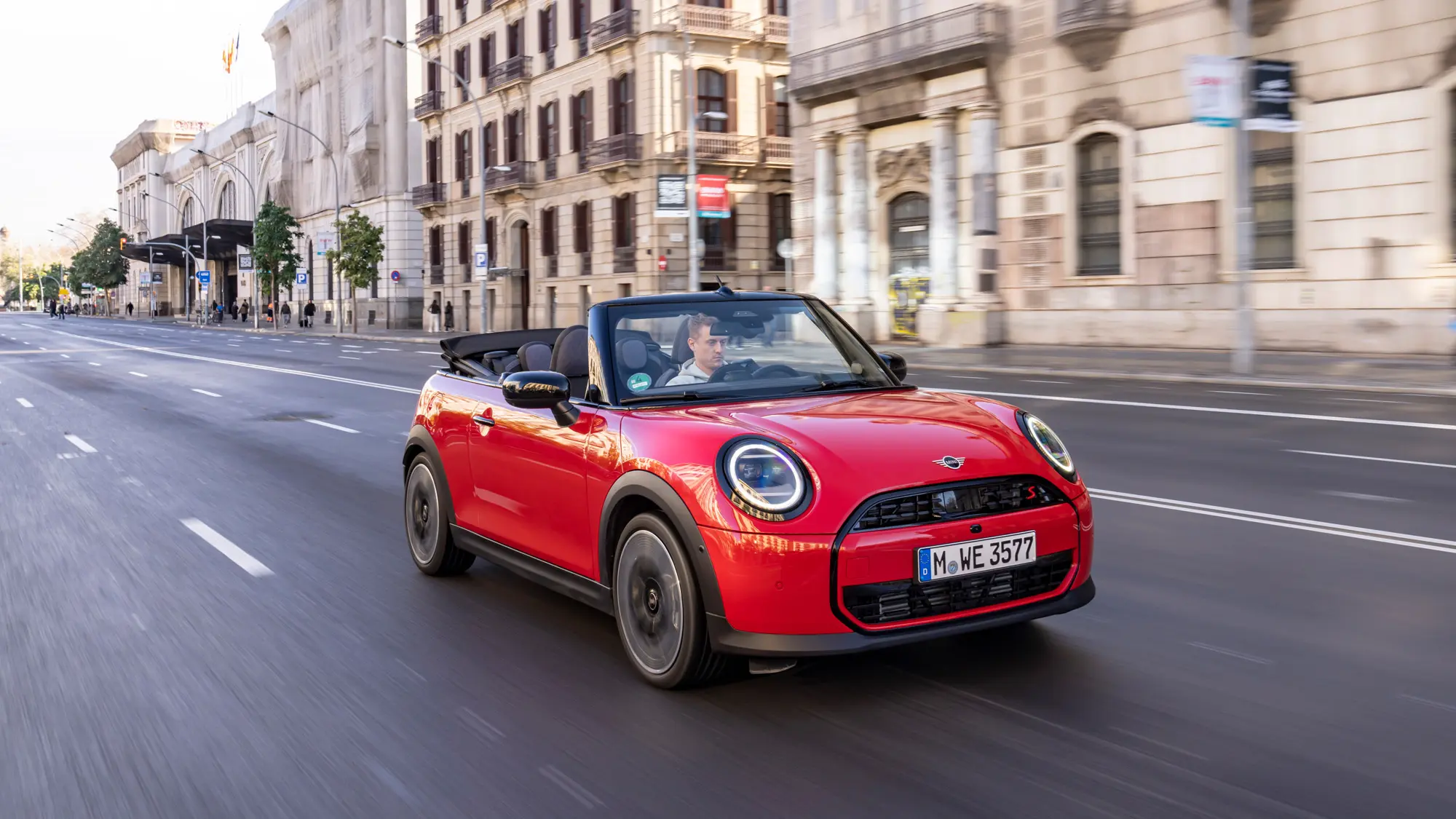
Sporty looks, compact size, and just enough attitude to stand out. That’s the basic recipe for small convertibles. You get the open-top fun without wrestling a huge car through city traffic.
The latest generation costs about 58.50 lakh ex-showroom in India. There's a 2.0-liter TwinPower Turbo petrol engine that makes 201 bhp. The engine is paired with a 7-speed automatic transmission.
For a compact convertible, performance is good. 0 to 100 km/h takes 6.9 seconds, and the top speed is 240 km/h. The roof is the real party trick. Even with the car moving slowly, the soft-top opens in 18 seconds and closes in 15 seconds.
The cabin follows the brand's distinctive design philosophy. There’s a 9.4-inch circular OLED display, modern software, and a premium sound system. Yes, it technically has four seats. But let’s be honest, the rear ones are mostly for short trips or very patient friends.
Market Position of a Convertible Luxury Car
In India’s premium segment, convertibles occupy a unique position.
They sit between performance machines and lifestyle products. Buyers rarely choose them for practicality alone.
Instead, they represent a particular idea of driving freedom.
A small luxury car with an open roof offers something many larger vehicles cannot. It delivers a sense of connection with the road and surroundings.
That emotional experience remains the core attraction of convertibles.
The Continuing Appeal of Convertibles
Very many models maintain a recognizable identity within this niche.
One of the best examples of compact open-top design is the Mini Cooper convertible. The modern urban convertible concept is defined by its compact proportions, signature styling, and soft-top roof.
Despite being a premium car, it shows how open-top driving can be done in dense cities.
Indian roads may never be dominated by convertibles. Their numbers will always be limited by practicality and climate.
It's still changing for the better, though. With that its also great to have a regular heads up about the fact that driving isn't always about getting somewhere.
Sometimes it is simply about enjoying the road ahead of you..