Sign up with Google
 Sign in with Zoho

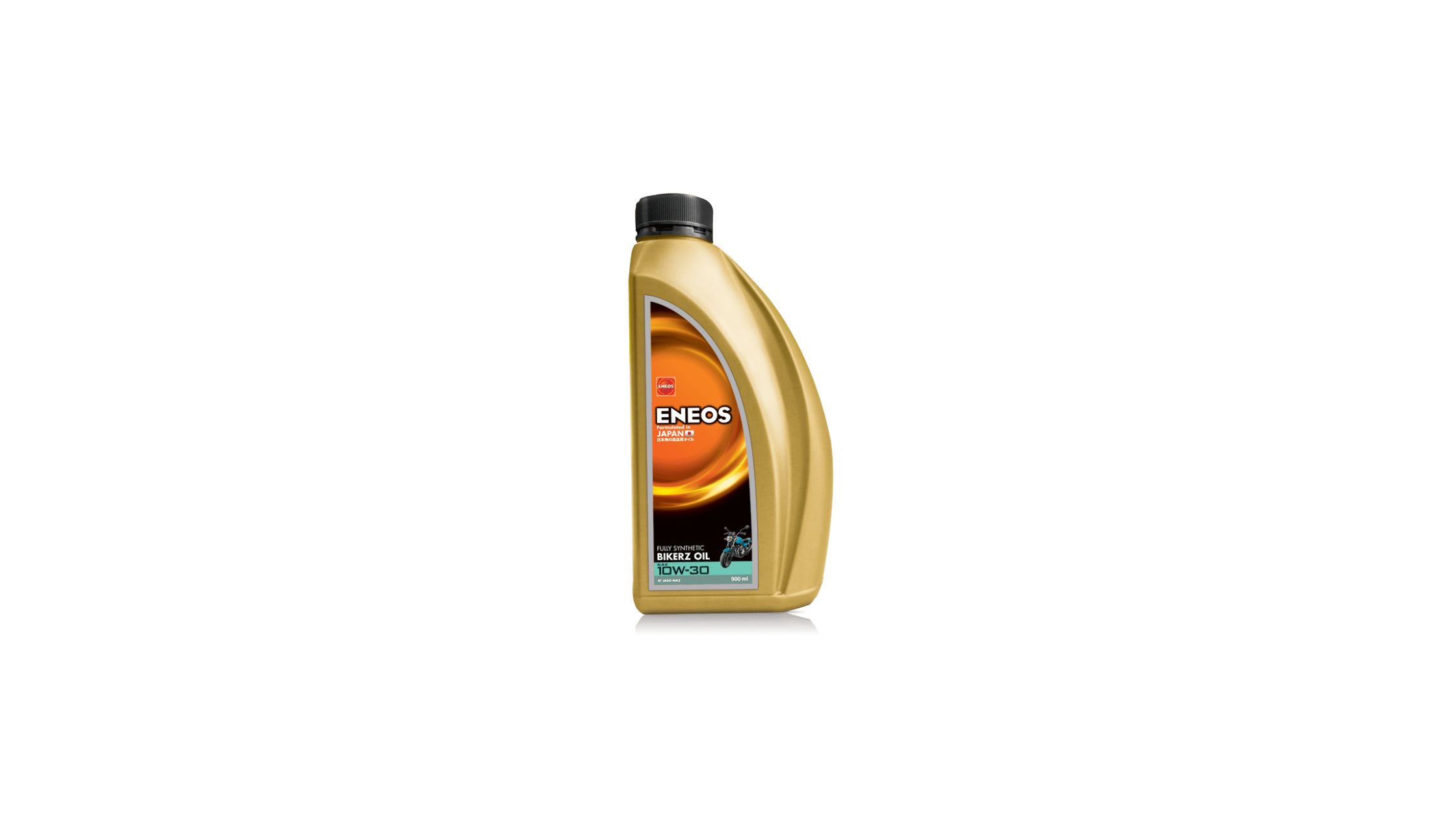
Most drivers know engine oil matters, but few understand what it's actually doing inside the engine at any given moment. It's not just lubrication, it's cooling, cleaning, and protecting surfaces that are under pressure levels most people never think about.
Here's a clear breakdown of how engine lubrication works, what the numbers on the bottle mean, and why the chemistry inside the can makes a real difference.
How Engine Oil Actually Protects Metal
Oil doesn't just coat surfaces; it creates a physical barrier between them through a process called hydrodynamic lubrication. As the crankshaft rotates, it pulls oil into the tiny gap between the bearing and the journal, forming a pressurised "oil wedge" that lifts the components apart so they never actually touch.
This full-film separation is the ideal state. But it doesn't always exist.
The Three Lubrication Regimes
- Hydrodynamic lubrication: The crankshaft journals ride on a complete film of oil. No metal-to-metal contact occurs. This is the normal operating state at running temperature.
- Boundary lubrication: During cold starts or high-load, low-speed conditions, the oil film is too thin to fully separate surfaces. At this point, protection comes entirely from anti-wear additives like ZDDP (Zinc Dialkyldithiophosphate), which form a microscopic sacrificial chemical layer on the metal.
- Thermal management: Beyond friction reduction, motor engine oil handles roughly 40% of engine cooling, reaching areas that coolant never touches, like the underside of piston crowns and camshaft lobes, absorbing heat and carrying it back to the sump.
What the Numbers on the Bottle Mean
The grade on an oil bottle like 10W30 isn't arbitrary. It tells you exactly how the oil behaves at two very different temperatures.
Breaking Down the SAE Grade
- The "W" (Winter) number: The "10" in a 10W30 grade refers to the oil's flow characteristics at -25°C. A lower number here means the oil reaches the upper valvetrain faster after a cold start, which is when the majority of engine wear occurs.
- The operating number: The "30" represents the oil's kinematic viscosity at 100°C. It tells you how thick the oil remains at full operating temperature, thick enough to protect bearing surfaces, but not so thick that it creates unnecessary drag on the engine.
- Viscosity Index (VI): High-quality oils resist thinning as temperatures rise. A high VI means the gap between cold and hot viscosity is smaller the oil behaves more consistently across the full operating range.
Multi-grade oils achieve this through Viscosity Index Improvers, polymer additives that expand with heat to prevent the oil from thinning out too much at high temperatures.
Synthetic vs. Conventional: What's Actually Different
The distinction between synthetic and conventional oil isn't just marketing; it comes down to molecular structure.
Conventional oils are refined from crude oil and contain molecules of varying shapes and sizes. These irregular molecules tumble over each other, creating internal friction and making the oil more prone to shearing and sludge formation over time.
10w30 synthetic engine oil is engineered from pure base stocks like PAO (Polyalphaolefin). The molecules are uniform in size and shape, which does two things: it reduces internal fluid friction and makes the oil far more stable under heat and pressure.
Where This Matters in Practice
- Noack Volatility: Synthetics evaporate significantly less in high-heat zones like the piston ring belt. Less evaporation means less oil consumption, fewer top-offs needed, and reduced carbon deposit buildup.
- Oxidation resistance: When oil reacts with oxygen under heat, it forms sludge, a thick, acidic byproduct that clogs oil passages and starves components of lubrication. Synthetics resist oxidation far longer than conventional oils, which is why 10w30 synthetic engine oil can support drain intervals of 10,000 km or more in modern engines, compared to around 5,000 km for conventional oil.
The Additive Package: What Makes Up the Other 20–25%
A finished bottle of oil is roughly 75–80% base oil and 20–25% performance additives. These aren't optional extras; they're what make modern, high-tolerance engines possible.
Key Additive Categories
- Detergents: Calcium or magnesium-based compounds that neutralise acids produced by combustion, keeping piston surfaces clean at high temperatures.
- Dispersants: Hold soot, carbon, and other solid contaminants in suspension so the oil filter can trap them, preventing the buildup that leads to sludge on engine surfaces.
- Friction modifiers: Polar molecules that plate onto metal surfaces to reduce parasitic drag. These are what allow oils to meet "Energy Conserving" ratings, meaning the engine wastes less power overcoming internal friction, which also translates to lower fuel consumption and reduced emissions.
- TBN (Total Base Number): A measure of how much acid-neutralising capacity the oil has remaining. A higher TBN generally means a longer effective service life, one of the key markers of premium motor engine oil quality.
The Takeaway
Engine lubrication is a system base oil, additives, and grade working together to manage heat, prevent contact, and keep internal surfaces clean. Understanding what each element does makes it easier to choose the right oil for your engine and conditions rather than defaulting to whatever's on the shelf.
The grade and chemistry in the bottle are there for a reason. Matching them to your engine's actual requirements is what keeps things running the way they should.