Sign up with Google
 Sign in with Zoho
In today’s publishing landscape, faith-based literature is
no longer sustained by sincerity alone. Readers now expect clarity,
originality, structure, and intellectual engagement alongside spiritual
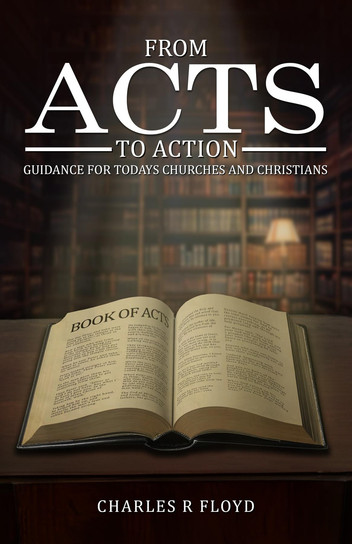
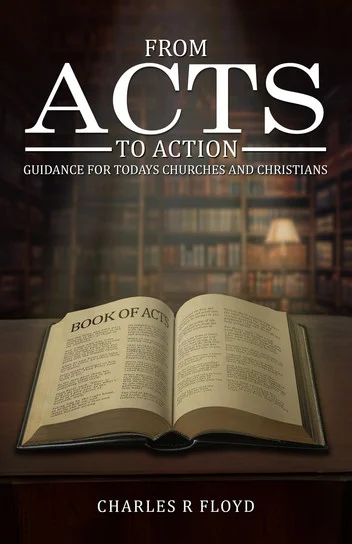
insight. Against this backdrop, From Acts to Action
by Charles R. Floyd stands as a striking example of a work that, despite its
intentions, fails to meet even the foundational expectations of contemporary
religious writing.
At its core, the book suffers from a deeply flawed and repetitive structure.
Each chapter rigidly follows the same pattern—scripture, explanation,
application—without variation or creative development. While such a framework
can be effective when used selectively, its relentless repetition here reduces
the reading experience to a mechanical exercise. Instead of building depth or
momentum, the book becomes predictable to the point of disengagement, offering
little reason for readers to remain invested.
Equally problematic is the book’s lack of editorial refinement. The writing is
marked by persistent grammatical inconsistencies, awkward phrasing, and an
uneven tone that undermines its credibility. These are not isolated issues but
recurring problems that signal a lack of professional editing. At many points,
the text reads less like a finished manuscript and more like an unpolished
collection of sermon notes hastily assembled into book form.
Beyond structural and editorial concerns lies a more significant issue: the
absence of meaningful intellectual contribution. While the book makes frequent
use of biblical references, the accompanying analysis rarely moves beyond
surface-level observations. There is little evidence of original thought,
critical engagement, or interpretive depth. For readers familiar with Christian
teachings, the material feels recycled and uninspired; for others, it offers
little in the way of clarity or fresh perspective.
The book also struggles with coherence and organization. Ideas are introduced
without sufficient development, and transitions between sections are abrupt and
poorly executed. Chapters often shift prematurely from context to application,
bypassing the deeper exploration necessary to support meaningful conclusions.
The result is a fragmented narrative that lacks both flow and purpose.
From a market standpoint, the book occupies an uncertain and ineffective
position. It is neither accessible enough for newcomers nor substantive enough
for experienced readers. This lack of clear audience alignment further
diminishes its potential impact, leaving it disconnected from the very
readership it aims to serve.
While the author’s sincerity and conviction are evident throughout, they
ultimately cannot compensate for the book’s structural, editorial, and
conceptual shortcomings. In modern publishing, authenticity must be paired with
execution—and it is precisely this execution that is lacking here.
In the end, From Acts to Action represents a missed opportunity. With
significant revision, professional editing, and a more thoughtful approach to
structure and analysis, it might have evolved into a meaningful contribution to
faith-based discourse. As it stands, however, it falls short—offering a work
that is earnest in intent but deeply lacking in delivery, substance, and
lasting value.
Why From Acts to Action Falls Short of Modern Faith-Based Literature Standards