Sign up with Google
 Sign in with Zoho

People think tearing down a house is the easy part. Smash it, clear it, move on. Sounds simple enough. But once you’re actually in it, standing there looking at walls that need to come down, it hits differently. There’s a reason folks start searching for residential demolition contractors after trying to figure it out themselves for about ten minutes.
Truth is, demolition isn’t about breaking things. It’s about knowing what not to break first. Big difference.
It Starts Way Before the First Wall Comes Down
Most people picture machines showing up and getting to work right away. That’s not how it goes. At least not when it’s done right.
There’s a walk-through. Sometimes more than one. You look at the structure, sure, but also what’s connected to it. Water lines, electrical, maybe old gas hookups that haven’t been touched in years. Stuff gets missed if you rush this part.
And yeah, let’s be real, skipping prep is where problems start. Not during the demo. Before it.
Older Homes Have Stories and Problems
If the place is older, expect surprises. Always do.
You might open a wall and find outdated wiring. Or worse, materials you really didn’t want to deal with. Asbestos isn’t common everywhere anymore, but it still shows up. Same with lead paint. It’s not dramatic, just annoying—and expensive if handled wrong.
Good crews don’t panic when they find this stuff. They slow down. Figure it out. That pause might feel like wasted time, but it’s not.
Demolition Isn’t Loud Chaos (Even If It Looks Like It)
From the outside, it looks like noise and dust and things falling over. Inside the job, it’s actually pretty controlled.
There’s a sequence. You don’t just knock down whatever’s closest. Load-bearing sections, support points, all that matters. Take out the wrong piece too early, and the whole thing shifts in ways you didn’t plan for.
That’s where experience shows up. Not in how fast someone works—but in how they choose what goes first.
Permits Yeah, They’re Annoying but Necessary
Nobody enjoys dealing with permits. Not contractors, not homeowners. Still, they matter.
Different areas have different rules. Some want full site plans, some just basic approval. Either way, you don’t want to skip it. Fines hit harder than people expect.
The short answer? Make sure someone’s handling it. Don’t assume. That’s how projects get paused halfway through, and that’s a mess you don’t want.
What Happens After the Structure Is Gone
Here’s something people don’t think about enough—what the site looks like after everything’s down.
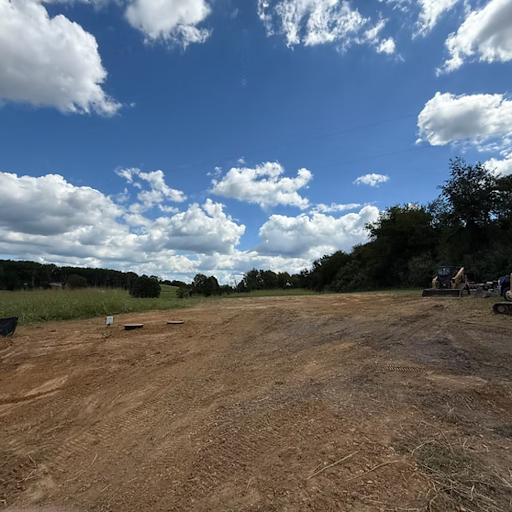
It’s not clean. Not even close. There’s debris, uneven ground, sometimes chunks of foundation still buried. You don’t just bring in new construction at that point.
That’s where a local excavation company usually comes into play. They go deeper. Clear what’s left underneath, level things out, prep the ground properly.
Because yeah, building on a half-cleared site? That’s asking for problems later.
Partial Demolition Is Actually Trickier
Taking down part of a structure sounds easier than removing the whole thing. Sometimes it is. Sometimes it’s not.
When you’re keeping part of the building, everything has to be more precise. You’re protecting what stays while removing what goes. That balance isn’t easy.
One wrong move, and you damage something you meant to keep. Then you’re not just demolishing anymore—you’re repairing too.
Safety Isn’t Optional, No Matter the Job Size
Even small demolition jobs can go sideways fast. Loose debris, unstable sections, machines moving in tight spaces. There’s a lot going on.
Good crews don’t rush. They set up zones, keep things controlled. It might look slow from the outside, but that’s kind of the point.
Let’s be real—nobody notices safety when things go right. They only notice when something goes wrong.
Timelines Are Almost Never Perfect
People want exact timelines. Start here, finish there, no delays. Sounds nice.
Reality? Stuff comes up. Weather changes things. Hidden issues slow things down. Inspections take longer than expected. It happens.
A decent local excavation company or demo crew will give you a rough timeline, not a perfect one. And honestly, that’s a good sign. Means they’re being straight with you.
Conclusion: Demolition Sets the Tone for Everything After
It’s easy to think demolition is just clearing the way. But it’s more than that. It sets up everything that follows.
Hiring the right local excavation company isn’t about speed. It’s about doing it clean, controlled, and without leaving problems buried under the surface.
Because once it’s done, that’s it. You don’t get a redo without spending more time and money.
So yeah, slow it down a bit. Ask questions. Pay attention to how the job is planned, not just how fast it can start.
The dust settles eventually. What matters is what’s left underneath when it does.