Sign up with Google
 Sign in with Zoho


our product images are doing more selling than your copywriter. Studies consistently show that online shoppers make purchase decisions within seconds and the quality of a product photo is often the single factor that tips the balance. Yet many ecommerce brand managers invest thousands in product development, then rush through the one thing customers actually see before clicking "Add to Cart."
Choosing the right E-Commerce Photo Editing Service is not just a creative decision. It is a commercial one. The partner you select will directly influence your conversion rates, return rates, and brand perception. This guide walks you through exactly what to look for and what to avoid.
1. Understand What Your Brand Actually Needs
Not all image editing requirements are the same. A fashion retailer selling luxury knitwear has entirely different needs from a consumer electronics brand listing 500 SKUs a week. Before approaching any provider, audit your current visual workflow and identify the gaps.
Ask yourself:
- Volume: Are you editing ten hero shots a month or thousands of product variants?
- Complexity: Do you need simple background removal, or are you dealing with jewellery, glass, or reflective surfaces that require advanced masking?
- Consistency: Do you have brand style guidelines that every image must conform to?
- Turnaround: Can your launch schedule accommodate 72-hour delivery, or do you need same-day output?
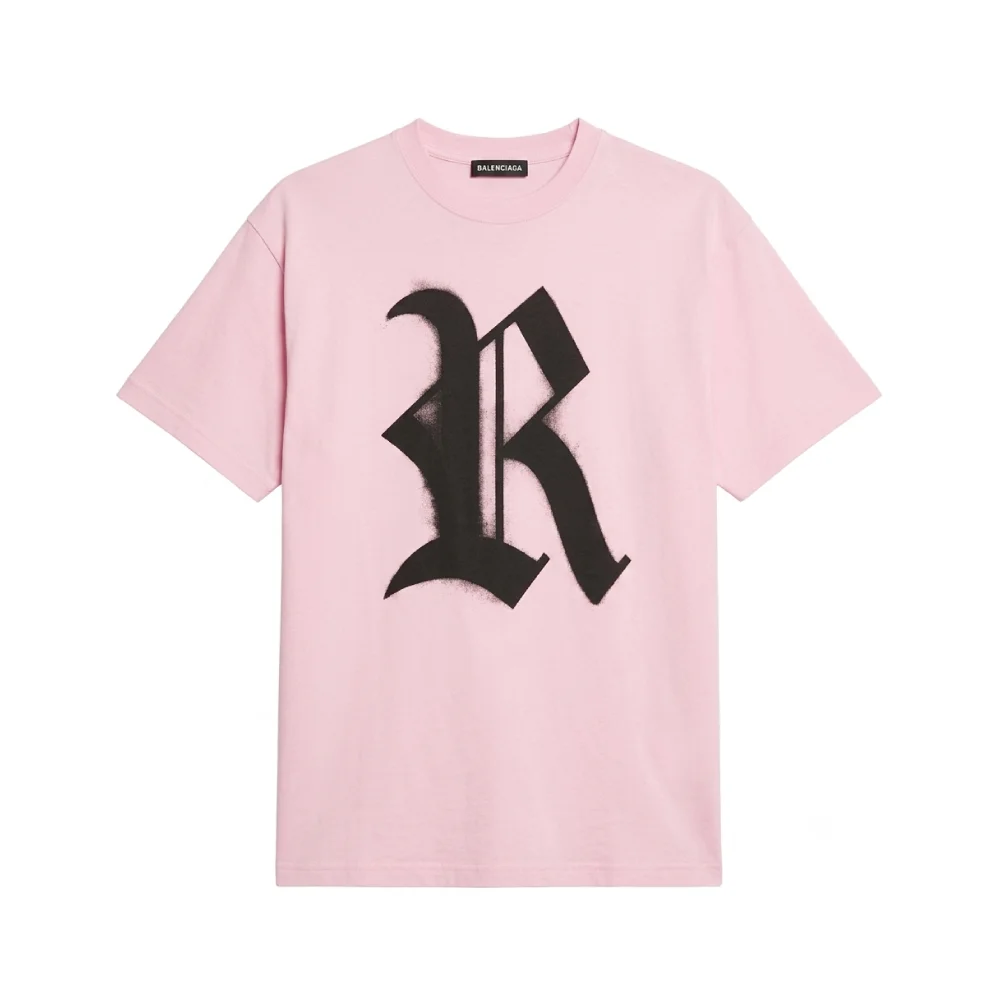
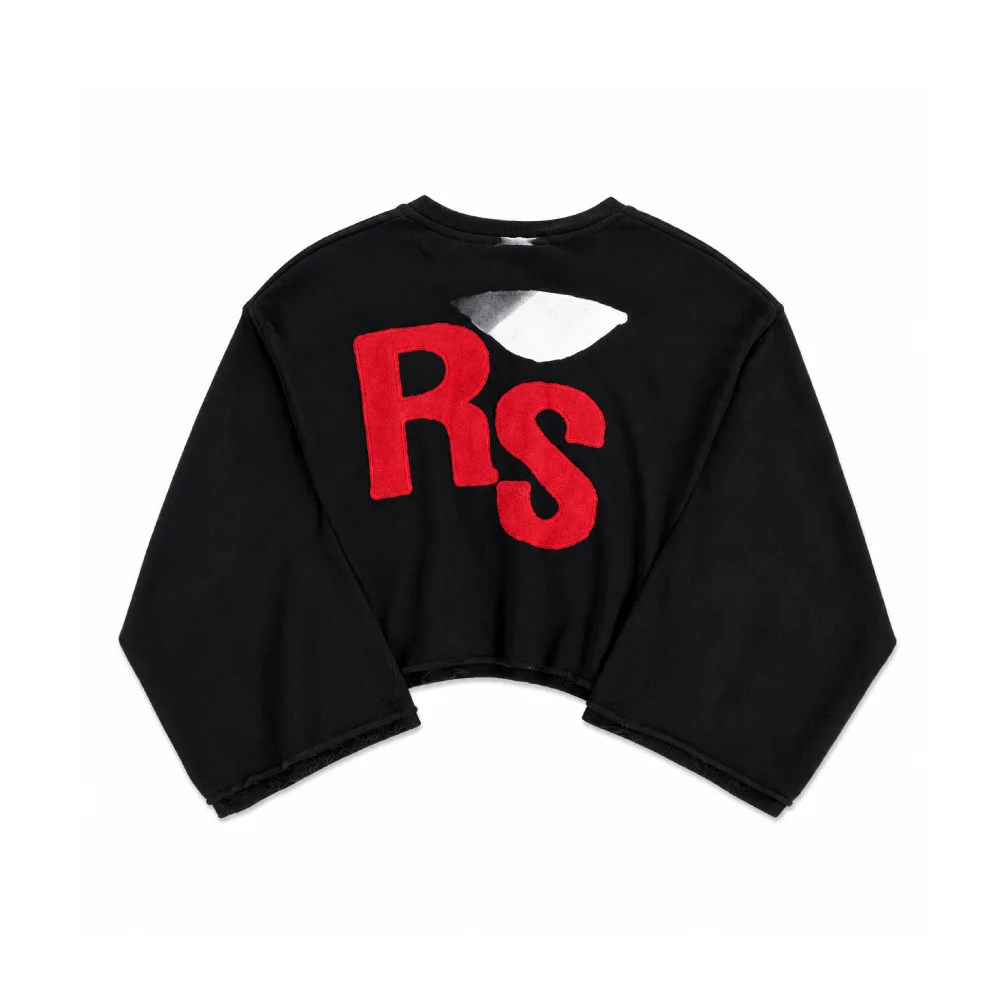
If you are a fashion brand, for example, you likely need a provider with dedicated fashion retouching services specialists who understand how fabric folds, how garments should sit on a model or mannequin, and how colour accuracy affects returns. A generalist editor may not have that depth.
2. Evaluate Technical Capability and Specialist Experience
Once you know your requirements, match them against what a provider can genuinely deliver. Here is what to examine closely.
Background Removal and Clean Cuts The ability to remove background online with precision is table stakes for any ecommerce image editor. But quality varies significantly. Ask for test edits on your most complex image type — fur, hair, transparent packaging, chrome fixtures. The result will tell you everything.
Retouching Depth Surface-level editing brightening, cropping, basic colour correction is widely available. But if you sell apparel, cosmetics, or lifestyle products, you need product retouching services that go further: removing manufacturing blemishes, correcting fabric texture, smoothing skin without losing natural tone in lifestyle shots.
Scalability for Bulk Work Brands running seasonal catalogues or marketplace listings at scale need to think about bulk photo editing capacity. Can the provider handle a 2,000-image batch without quality degradation? Do they use consistent presets and style profiles across editors? Ask for samples from a large project, not just their best individual portfolio pieces.
Platform-Specific Formatting Amazon, ASOS, Zalando, and Shopify all have different image requirements — resolution, aspect ratio, white balance, file size. A capable photo editing service will format your files to spec automatically, saving your team hours of back-and-forth.
3. Assess Workflow Integration and Communication
Technical skill matters, but so does how easy a provider is to work with. Poor workflow integration creates delays, errors, and frustration — especially under the pressure of a product launch.
Look for providers who offer:
- A dedicated account manager rather than a rotating support inbox
- Clear revision policies — how many rounds are included, and at what cost thereafter
- Secure file transfer — particularly important if your products are unreleased or under embargo
- Trial projects — any reputable provider of image editing services will offer a paid or free test batch before you commit to a contract
A useful case study: a mid-size UK homewares brand recently moved from an in-house editing team to an outsourced partner for their catalogue refresh. By standardising on a specialist provider with consistent presets and a dedicated project manager, they reduced editing time per image by 40% and cut return rates on bedding SKUs by 12% attributed directly to improved colour accuracy and detail clarity.
4. Consider Pricing Models and Long-Term Value
Pricing in the image editing industry typically falls into three structures: per-image rates, monthly retainer packages, or project-based fees. Each suits different business models.
Per-image pricing works well for brands with irregular or seasonal volume. It keeps costs variable and avoids paying for unused capacity.
Retainer packages are better suited to brands with consistent monthly output — think subscription boxes, ongoing marketplace listings, or regular editorial content. They usually come with priority turnaround and dedicated resources.
Project rates suit one-off catalogue shoots or rebrands where volume is known in advance.
Whatever the model, look beyond the headline price. A cheaper service that requires three rounds of corrections will cost more in time and delay than a higher-priced provider who delivers accurate results the first time.
For UK-based ecommerce brands, www.ecommerceimageediting.co.uk is worth evaluating as part of your shortlist. They offer specialist services across fashion, product, and bulk editing workflows, with a clear focus on ecommerce output standards.
Conclusion: Make Image Quality a Strategic Priority
Your product images work around the clock. They appear in Google Shopping ads, on marketplace listings, in email campaigns, and on social feeds representing your brand in every context without you in the room.
Choosing the right editing partner is not a procurement task to delegate to the lowest bidder. It is a strategic decision that affects how customers perceive your brand at the moment that matters most.
Key takeaways:
- Define your volume, complexity, and turnaround requirements before approaching any provider
- Test with a real batch, not just portfolio examples
- Prioritise specialist expertise for category-specific needs — especially fashion and lifestyle
- Evaluate workflow, communication, and revision policies alongside price
- Think in long-term value, not per-image cost
When image quality becomes a consistent standard rather than an afterthought, the commercial results follow.