Sign up with Google
 Sign in with Zoho

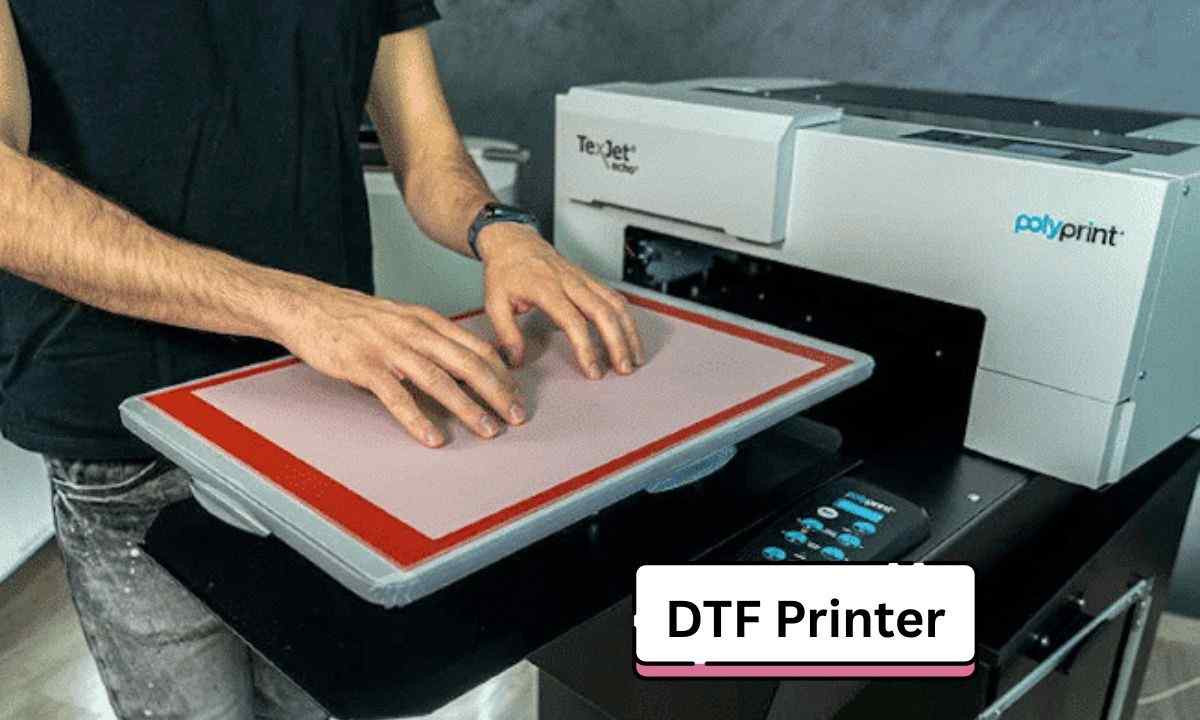
In recent years, the DTF printer has emerged as a game-changing solution in the custom printing industry. Whether you are a small business owner, a fashion entrepreneur, or someone exploring textile printing, understanding how DTF printing works can open new doors for creativity and profitability. This blog explores everything you need to know about DTF printers, from how they work to their benefits and applications.
In recent years, the DTF printer has emerged as a game-changing solution in the custom printing industry. Whether you are a small business owner, a fashion entrepreneur, or someone exploring textile printing, understanding how DTF printing works can open new doors for creativity and profitability. This blog explores everything you need to know about DTF printers, from how they work to their benefits and applications.
What is a DTF Printer?
A DTF printer (Direct-to-Film printer) is a type of printing technology that transfers designs onto a special film before applying them to fabric or other materials. Unlike traditional printing methods such as screen printing or Direct-to-Garment (DTG), DTF printing does not require pre-treatment of the fabric. This makes the process simpler and more versatile.
The process involves printing a design onto a PET film using special inks, applying adhesive powder, curing it, and then transferring it onto the fabric using heat. The result is a vibrant, durable print that works on a wide range of materials.
How Does a DTF Printer Work?
The working process of a DTF printer can be broken down into several key steps:
1. Design Preparation
First, a digital design is created using graphic software. The design is then mirrored before printing.
2. Printing on Film
The DTF printer prints the design onto a transparent PET film using CMYK and white inks. The white ink layer ensures opacity, especially on dark fabrics.
3. Powder Application
A special adhesive powder is applied to the printed film while the ink is still wet. This powder sticks to the inked areas.
4. Curing Process
The film is then heated to melt the adhesive powder, creating a solid bonding layer.
5. Heat Transfer
Finally, the design is transferred onto the fabric using a heat press. Once cooled, the film is peeled away, leaving the design on the material.
Advantages of Using a DTF Printer
DTF printers have gained popularity for several compelling reasons:
Versatility
A DTF printer can print on a wide range of materials including cotton, polyester, blends, leather, and even non-textile surfaces.
No Pre-Treatment Required
Unlike DTG printing, DTF printing eliminates the need for fabric pre-treatment, saving time and effort.
High Durability
Prints created using a DTF printer are highly durable. They resist cracking, fading, and peeling even after multiple washes.
Cost-Effective for Small Runs
DTF printing is ideal for small batch production since it does not require setup costs like screen printing.
Vibrant Colors
With the use of white ink and high-quality pigments, DTF printers produce bright and vivid designs.
Applications of DTF Printing
The flexibility of a DTF printer makes it suitable for a variety of applications:
Custom Apparel
From t-shirts to hoodies and caps, DTF printing is widely used in the fashion and apparel industry.
Businesses use DTF printers to create customized merchandise like tote bags, uniforms, and branded items.
Home Decor
DTF printing can be applied to cushion covers, curtains, and other decorative fabrics.
Small Business Startups
Entrepreneurs can start a custom printing business with relatively low investment using a DTF printer.
DTF Printer vs Other Printing Methods
Understanding how a DTF printer compares to other technologies helps in making an informed decision:
DTF vs Screen Printing
Screen printing is ideal for bulk production but requires setup time and cost. DTF printing, on the other hand, is better for small runs and complex designs.
DTF vs DTG Printing
DTG printing works best on cotton fabrics and requires pre-treatment. A DTF printer is more versatile and works on multiple fabric types without pre-treatment.
Sublimation printing is limited to polyester and light-colored fabrics. DTF printers do not have such limitations, making them more flexible.
Things to Consider Before Buying a DTF Printer
If you are planning to invest in a DTF printer, here are some important factors to consider:
Print Quality
Look for a printer that offers high resolution and consistent color output.
Ink Compatibility
Ensure that the printer supports high-quality DTF inks for long-lasting results.
Maintenance Requirements
Regular maintenance is essential for keeping the printer in good condition. Choose a model that is easy to maintain.
Cost
Consider both the initial investment and ongoing costs such as ink, film, and powder.
Reliable customer support and warranty options are crucial when investing in a DTF printer.
Future of DTF Printing
The future of the DTF printer looks promising as more businesses adopt this technology. Innovations in ink formulations, faster printing speeds, and improved software integration are expected to make DTF printing even more efficient and accessible.
As customization continues to dominate consumer trends, DTF printers will play a significant role in shaping the future of the printing industry.
Conclusion
A DTF printer is a powerful and versatile tool that is transforming the way designs are printed on fabrics and other materials. Its ease of use, cost-effectiveness, and ability to produce high-quality prints make it an excellent choice for both beginners and professionals.
Whether you are starting a new business or expanding your current printing capabilities, investing in a DTF printer can provide a competitive edge in today’s fast-growing customization market.