 Sign up with Google
 Sign in with Zoho
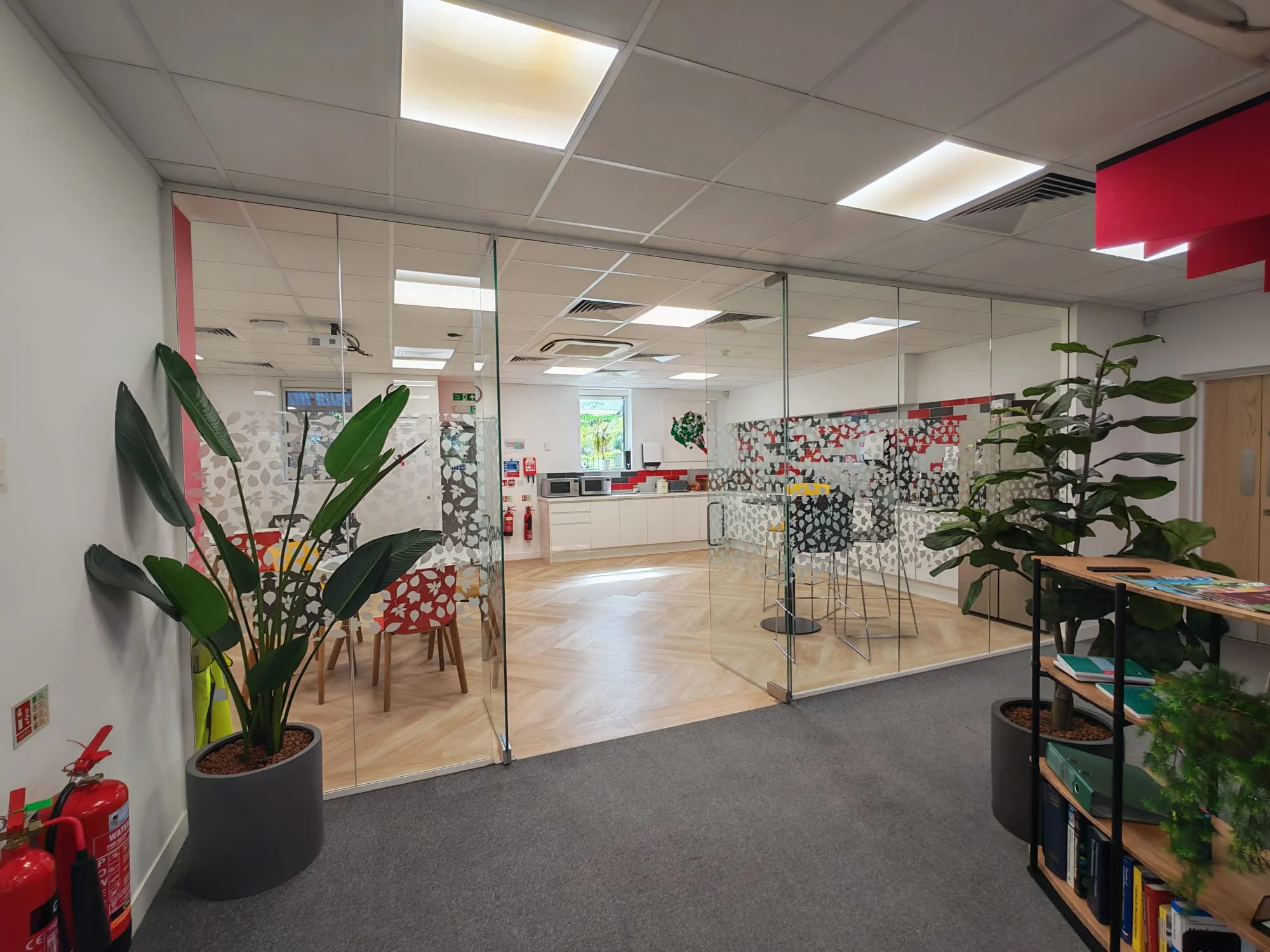
Employee productivity plays an important role in the success of any business. A well-organised workplace can help employees stay focused, complete tasks efficiently and feel more comfortable throughout the working day. However, an office with poor lighting, uncomfortable furniture, limited space or constant noise can make everyday work more difficult. The physical working environment has a direct influence on how people perform their daily responsibilities.
A well-planned commercial office fit out can help businesses create a workplace that supports different working styles and employee needs. From improving office layouts to introducing better lighting, suitable furniture and quiet working areas, thoughtful design can make a noticeable difference to workplace productivit
1. Creates a Better Office Layout
The way an office is arranged can affect how easily employees complete their work. A poorly planned layout may create crowded walkways, unnecessary distractions and difficulty accessing shared facilities.
A well-designed office layout makes better use of the available space. Workstations, meeting rooms, breakout areas and storage facilities should be positioned carefully to support everyday activities.
For example, employees who regularly work together can be seated closer to one another, while teams that need concentration can have quieter areas. This arrangement reduces unnecessary movement and helps employees complete their tasks more efficiently.
2. Improves Natural and Artificial Lighting
Lighting is an important part of a productive working environment. Poor lighting can cause eye strain, tiredness and discomfort, making it harder for employees to concentrate.
Natural light can make an office feel more open and comfortable. Positioning workstations near windows allows employees to benefit from daylight throughout the day.
Where natural light is limited, suitable artificial lighting should be installed. LED lighting is a popular option because it provides consistent illumination and can be energy-efficient.
Businesses should also consider task lighting for areas where employees regularly read documents, use computers or complete detailed work.
3. Provides Comfortable and Ergonomic Furniture
Employees spend a large part of their working day sitting at desks. Uncomfortable chairs, unsuitable desk heights and poorly positioned computer screens can cause physical discomfort.
Ergonomic furniture helps support better posture and reduces unnecessary strain during working hours.
Important furniture considerations include:
- Adjustable office chairs with suitable back support.
- Desks at comfortable working heights.
- Monitor stands to maintain suitable screen positions.
- Desks with enough space for everyday equipment.
- Adjustable workstations where practical.
Comfortable furniture can help employees work for longer periods without experiencing unnecessary physical discomfort.
4. Reduces Noise and Workplace Distractions
Noise is one of the common challenges in busy office environments. Conversations, telephone calls, meetings and equipment can interrupt employees who need to concentrate.
A productive office should include different areas for different activities. Open-plan spaces can support communication and teamwork, but they may not be suitable for every task.
Acoustic solutions can help control noise levels. These may include:
- Acoustic wall panels.
- Sound-absorbing ceiling systems.
- Carpeted flooring.
- Acoustic office partitions.
- Enclosed meeting and quiet rooms.
These features help reduce sound distractions and create a more comfortable environment for employees who need focused working time.
5. Encourages Better Communication and Teamwork
Good communication is essential for completing projects and solving workplace problems. However, an office that does not provide suitable collaboration spaces can make teamwork difficult.
Creating dedicated meeting rooms, informal discussion areas and shared workspaces gives employees more opportunities to communicate.
For example, small meeting areas can be used for quick discussions, while larger rooms can support presentations and team meetings.
A balanced office layout should provide both collaborative spaces and private areas. This allows employees to choose the most suitable environment for their activities.
6. Supports Flexible and Hybrid Working
Modern businesses often have employees working in different ways. Some people work from the office every day, while others divide their time between home and the workplace.
An office should be flexible enough to support these arrangements.
Shared desks, bookable meeting rooms, quiet working areas and collaborative spaces can help businesses manage changing attendance levels.
Flexible furniture and adaptable layouts also allow organisations to make adjustments as their teams grow or working requirements change.
This approach helps employees use office facilities according to their daily responsibilities rather than being restricted to one fixed working arrangement.
7. Improves Employee Wellbeing and Comfort
Employee wellbeing is closely connected to workplace productivity. An uncomfortable or poorly maintained office can make employees feel tired, distracted and less motivated.
A welcoming workplace should provide comfortable temperatures, good ventilation, suitable lighting and clean facilities.
Breakout areas are also valuable because they give employees somewhere to relax away from their desks. Even short breaks can help people refresh their minds and return to work with better concentration.
Indoor plants, natural materials and pleasant colour schemes can also make the workplace feel more welcoming.
When employees feel comfortable in their surroundings, they are more likely to have a positive working experience.
8. Makes Better Use of Available Office Space
Limited office space can create difficulties when employees do not have enough room to work comfortably.
Effective space planning helps businesses use their existing floor area more efficiently. Instead of adding unnecessary furniture, organisations can identify which areas need improvement and how different spaces can serve multiple purposes.
For example, a meeting room with flexible furniture may also be used for training sessions. Shared storage areas can reduce clutter around individual workstations.
Better space management creates an organised workplace where employees can move around easily and access the facilities they need.
9. Helps Reduce Everyday Workplace Frustrations
Small problems within an office can waste valuable time throughout the working day. Poor storage, limited power sockets, badly positioned equipment and inconvenient meeting spaces can interrupt normal activities.
Addressing these issues during office planning can make daily tasks easier.
For example, placing printers and shared equipment in accessible locations reduces unnecessary movement. Providing sufficient storage helps keep workstations organised, while properly planned electrical and data connections support reliable working arrangements.
Reducing these everyday frustrations allows employees to spend more time focusing on important responsibilities.
Conclusion
A productive workplace is created through a combination of good design, practical planning and employee comfort. Office layouts, lighting, furniture, acoustics and shared facilities all influence how people work throughout the day.
Businesses should consider the needs of their employees before making changes to their working environment. Understanding daily activities, team requirements and available space helps create an office that supports concentration, communication and collaboration. A carefully planned commercial office fit out can bring these elements together to create a comfortable, organised and productive working environment.
Frequently Asked Questions (FAQs)
1. How does office design affect employee productivity?
Office design affects concentration, comfort and communication. A well-organised workplace with suitable lighting, comfortable furniture and fewer distractions can help employees complete tasks more efficiently.
2. Why is lighting important in a productive office?
Good lighting helps employees see clearly and reduces eye strain. Natural daylight can also make the workplace feel more comfortable, while suitable artificial lighting supports consistent visibility.
3. Can office partitions improve productivity?
Yes. Office partitions can help create separate working areas, improve privacy and reduce noise distractions. They also allow businesses to divide larger spaces into smaller functional areas.
4. What type of office furniture supports employee productivity?
Ergonomic chairs, suitable desks, adjustable workstations and properly positioned computer screens can improve comfort and support better working postures.
5. How can businesses reduce distractions in an open-plan office?
Businesses can introduce acoustic panels, sound-absorbing materials, quiet rooms and designated meeting areas. These solutions help control noise and provide employees with suitable spaces for focused work.
6. Why should businesses consider employee needs when planning an office?
Every team has different working requirements. Understanding employee needs helps businesses create suitable workstations, meeting spaces and shared facilities, making everyday activities easier and more efficient.