 Sign up with Google
 Sign in with Zoho

The Shift Toward Connected TV and FAST Ecosystems
Something changed quietly, then all at once. People stopped waiting for scheduled television and started expecting content on demand, on their terms, on whatever screen happened to be nearby. This behavioral shift gave rise to Connected TV (CTV) and, more specifically, the explosive growth of FAST channel platforms
FAST, or Free Ad-Supported Streaming Television, feels familiar, almost nostalgic. It mimics traditional TV with scheduled programming, but it runs on internet infrastructure. No cable boxes. No contracts. Just content, streaming endlessly, supported by ads.
For advertisers, this isn’t just another channel. It’s a recalibration of how audiences are reached, measured, and understood.
Understanding the FAST Channel Platform Model
At its core, a FAST channel platform blends linear television with digital precision. Unlike subscription-based streaming, FAST platforms rely entirely on advertising revenue. Viewers get free content, while brands gain access to highly targeted audiences.
What makes this model interesting, maybe even a little disruptive, is its simplicity. Users tune into curated channels, much like flipping through traditional TV, but behind the scenes, everything is powered by data. Every view, every pause, every interaction feeds into smarter ad delivery.
This is where FAST channel software becomes critical. It manages content scheduling, ad insertion, analytics, and distribution across devices. Without it, the seamless experience users expect would fall apart quickly.
Why Advertisers Are Moving Toward FAST
There’s a reason advertisers are shifting budgets toward FAST platforms, and it’s not just because they’re trendy.
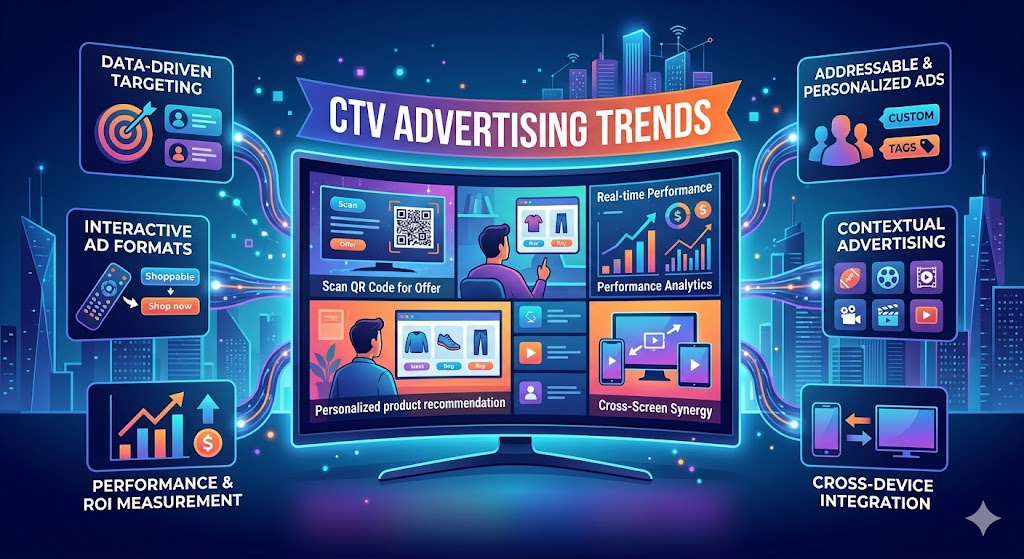
First, there’s reach. FAST channels are accessible across smart TVs, mobile devices, and desktops, allowing brands to connect with audiences wherever they are. Second, there’s targeting. Unlike traditional TV, CTV advertising allows for granular segmentation based on behavior, demographics, and viewing habits.
And then there’s measurement, the part marketers used to complain about endlessly. With FAST, performance isn’t guessed, it’s tracked. Advertisers can see what works, what doesn’t, and adjust campaigns almost in real time.
It’s not perfect, though. Fragmentation across platforms can make campaign management messy. Still, the trade-off often feels worth it.
The Role of Data in CTV Advertising
Data is doing most of the heavy lifting here. Quietly, constantly.
FAST platforms collect first-party data directly from users, which is becoming more valuable as third-party cookies fade into irrelevance. This data allows advertisers to create more personalized, relevant ad experiences, something viewers are surprisingly okay with, as long as it doesn’t feel intrusive.
But there’s a balance. Push too far, and it feels invasive. Stay too generic, and it loses effectiveness. The sweet spot sits somewhere in between, and finding it is part art, part algorithm.
Content Strategy and Ad Experience
Here’s where things get interesting. Content isn’t just content anymore, it’s inventory.
On a FAST channel platform, programming decisions directly impact ad performance. A well-curated channel keeps viewers engaged longer, which increases ad impressions and improves campaign outcomes. It sounds obvious, but it’s often overlooked.
There’s also the matter of ad experience. Too many ads, and users leave. Too few, and revenue drops. The pacing, placement, and relevance of ads all play a role in maintaining viewer satisfaction.
Some platforms are experimenting with shorter ad breaks, interactive ads, even shoppable formats. It’s still evolving, still a bit messy, but that’s where innovation usually lives.
Monetization Strategies Beyond Traditional Ads
While advertising is the backbone of FAST, it’s not the only revenue stream. Many platforms are exploring hybrid models, blending ad-supported content with premium upgrades or branded partnerships.
For example, niche fitness brands are combining fitness streaming services with FAST distribution, effectively turning workouts into scheduled programming. It’s a subtle shift, but an important one. It transforms content into a continuous viewing experience, not just a library of videos.
This crossover shows how industries are starting to merge. Fitness becomes entertainment. Entertainment becomes commerce. And FAST sits right in the middle of it all.
Challenges FAST Platforms Must Navigate
Of course, it’s not all smooth streaming.
Ad fatigue is real. Viewers have options, and they won’t hesitate to switch if the experience feels repetitive or overwhelming. Content licensing can also be expensive, especially as competition grows.
Then there’s the technical side. Delivering high-quality streams across devices, managing ad insertion seamlessly, and ensuring accurate analytics requires robust FAST channel software. Any glitch, even a small one, can disrupt the user experience and impact revenue.
And let’s be honest, the ecosystem is crowded. Standing out isn’t easy.
The Future of FAST and CTV Advertising
The trajectory seems clear, even if the details are still forming. FAST platforms are becoming a central piece of the CTV landscape, offering a balance between accessibility for viewers and precision for advertisers.
What comes next? Probably more personalization, more interactivity, and more convergence between content and commerce. Maybe even a point where the distinction between watching and shopping disappears entirely.
For now, though, FAST platforms have one job: keep viewers watching without making them feel like they’re being sold to every second.
It’s a delicate balance. But when it works, it really works.