Sign up with Google
 Sign in with Zoho
.webp)
Unexpected equipment downtime is one of the biggest operational challenges faced by industries that rely on heavy machinery. Whether in construction, mining, agriculture, or industrial maintenance, even minor mechanical failures can stop production and create significant financial losses.
Modern maintenance strategies are shifting away from traditional workshop repairs toward portable machining services, allowing precision repairs to be completed directly at the job site.
The Hidden Cost of Equipment Downtime
When heavy machinery stops working, the impact goes far beyond repair expenses. Downtime often leads to:
- Project delays
- Idle workforce costs
- Missed deadlines
- Reduced productivity
- Increased operational pressure
In many cases, transporting large components to a workshop takes longer than the repair itself. Logistics, crane hire, and disassembly processes can extend downtime by days or even weeks.
Portable machining eliminates these delays by bringing machining capability directly to the equipment.
What Makes Portable Machining Different?
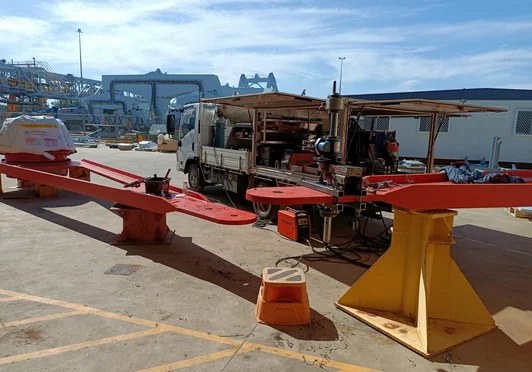
Portable machining refers to precision machining performed on-site using specialized mobile equipment. Instead of dismantling machinery, technicians restore damaged components where they are installed.
Common on-site machining tasks include:
- Bore restoration
- Surface machining
- Flange facing
- Shaft repair
- Alignment correction
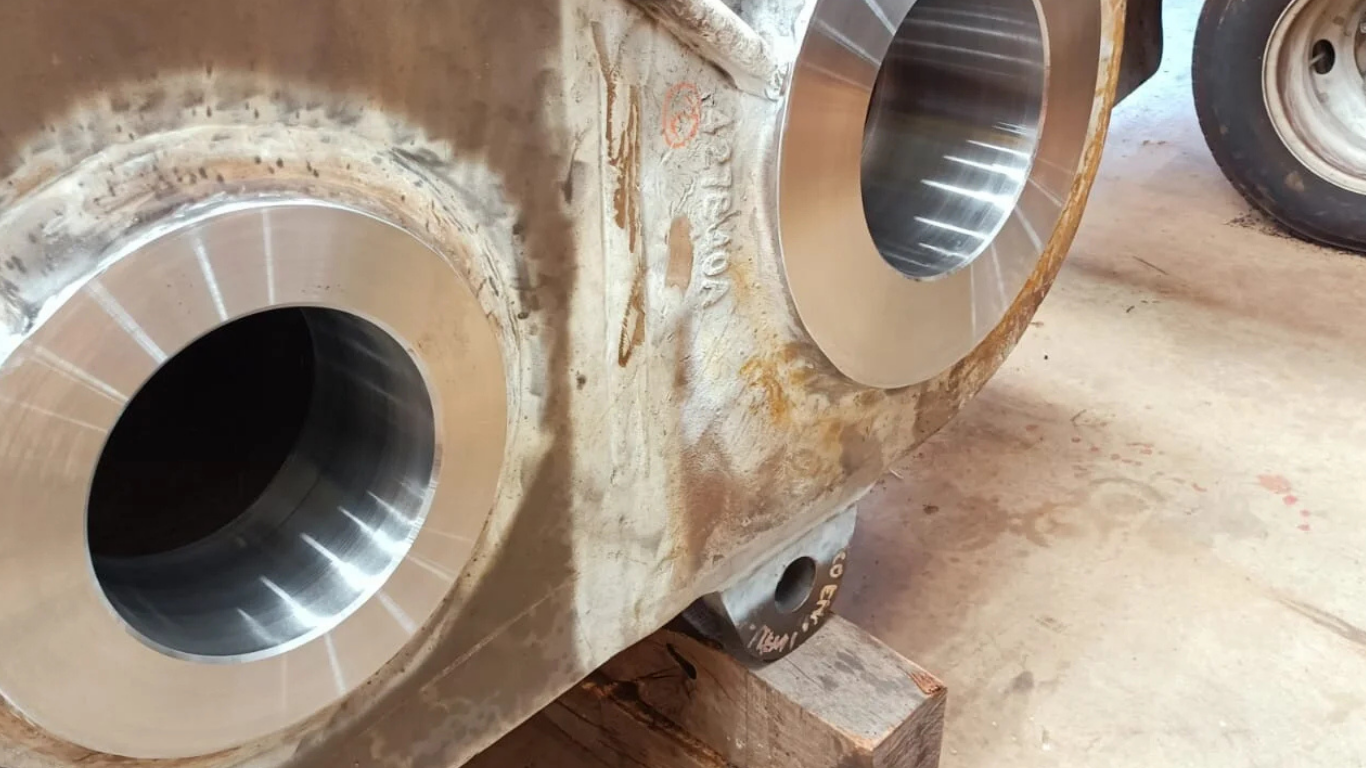
Businesses looking for faster repairs often learn more about our mobile line boring Perth services when dealing with worn pivot points or misaligned bores in heavy equipment.
Faster Repairs Without Equipment Removal
Traditional repair workflows involve multiple stages that increase downtime:
- Machine shutdown
- Component removal
- Transport to workshop
- Machining process
- Return transport and reinstallation
Portable machining removes several of these steps entirely. Technicians install precision equipment directly onto the damaged area, allowing repairs to begin immediately.
This significantly shortens repair timelines while maintaining machining accuracy.
Precision Engineering in the Field
Many operators assume workshop machining offers better precision. However, modern field machining technology delivers extremely accurate results using advanced alignment systems and calibrated tooling.
On-site machining restores:
- Original bore alignment
- Proper load distribution
- Structural stability
- Smooth mechanical operation
To understand the full range of repair capabilities available on-site, many equipment owners choose to explore our portable machining services , which support multiple heavy equipment applications., which su
Industries Benefiting from Portable Machining
Mining Operations
Mining equipment works under constant stress. On-site repairs prevent extended shutdowns in remote locations where transport logistics are complex.
Construction and Earthmoving
Excavators and loaders frequently develop wear in pins and bushings. Immediate restoration helps maintain productivity on active job sites.
Industrial Plants
Manufacturing facilities rely on continuous operation. Portable machining enables repairs without halting entire production systems.
Agriculture and Infrastructure
Large machinery used in farming and infrastructure projects benefits from rapid maintenance solutions that avoid seasonal delays.
Extending Equipment Lifespan
One of the biggest advantages of portable machining is the ability to repair rather than replace expensive components.
Wear typically begins gradually through:
- Friction between moving parts
- Heavy load cycles
- Misalignment stress
- Poor lubrication conditions
Restoring components early prevents secondary damage and extends equipment lifespan significantly.
Instead of investing in costly replacements, businesses preserve existing machinery performance through precision restoration.
Improved Maintenance Planning
Portable machining also supports proactive maintenance programs. Rather than waiting for equipment failure, operators can schedule repairs during planned downtime.
Early intervention helps avoid:
- Structural cracking
- Severe misalignment
- Unexpected breakdowns
- Emergency repair costs
Routine inspections combined with on-site machining allow maintenance teams to maintain consistent equipment performance.
Safety Advantages of On-Site Machining
Handling large equipment parts during transport introduces safety risks. Portable machining reduces these hazards by minimizing lifting and movement.
Key safety benefits include:
- Less heavy lifting equipment required
- Reduced handling risks
- Controlled repair environments
- Accurate post-repair alignment
Properly aligned machinery also operates more smoothly, reducing vibration-related safety concerns.
Environmental and Operational Efficiency
Repairing components instead of replacing them contributes to sustainable industrial practices.
Portable machining helps reduce:
- Material waste
- Manufacturing demand
- Transportation emissions
- Energy consumption
This environmentally responsible approach aligns with modern industry goals focused on efficiency and sustainability.
When Should You Choose Portable Machining?
Portable machining is ideal when:
- Equipment is too large to transport easily
- Downtime costs are high
- Precision alignment is required
- Components show repairable wear
Choosing on-site solutions allows businesses to maintain operational continuity while controlling maintenance expenses.
The Future of Equipment Maintenance
Industries are increasingly adopting smarter maintenance strategies that prioritize speed, accuracy, and cost efficiency. Portable machining represents a major step forward by combining workshop-level precision with on-site convenience.
As equipment becomes larger and projects more time-sensitive, mobile repair solutions will continue to play a critical role in keeping operations running smoothly.
Final Thoughts
Heavy equipment maintenance no longer needs to involve lengthy shutdowns or expensive transportation. Portable machining services provide a practical and efficient alternative, restoring worn components directly on-site while maintaining precision standards.
By reducing downtime, extending equipment life, and improving maintenance efficiency, on-site machining has become an essential solution for modern heavy industries.