Sign up with Google
 Sign in with Zoho
.webp)
Unexpected machinery breakdowns are one of the biggest operational risks in industries such as construction, mining, agriculture, and earthmoving. When heavy equipment stops working, projects slow down, deadlines are missed, and downtime costs begin to rise immediately. Knowing how to respond during an emergency can make the difference between a minor delay and a major financial loss.
This guide explains exactly what to do when equipment fails, how emergency repairs work, and how professional line boring services help restore machinery quickly and safely.
Why Emergency Equipment Failures Happen
Heavy machinery operates under constant stress. Over time, components naturally wear down, especially pivot points, pins, bushings, and structural bores. Emergency failures usually occur when small mechanical issues go unnoticed.
Common causes include:
- Excessive wear in pins and bushings
- Lack of lubrication
- Bore misalignment
- Structural fatigue
- Overloading equipment
- Poor preventive maintenance
Many failures begin as minor vibration or looseness but eventually develop into serious mechanical damage requiring urgent repair.
When equipment reaches this stage, immediate action is necessary to avoid further structural problems.
Step 1: Stop Operating Equipment Immediately
The first and most important rule during equipment failure is simple:
Stop operating the machine immediately.
Continuing operation can cause:
- Cracked frames
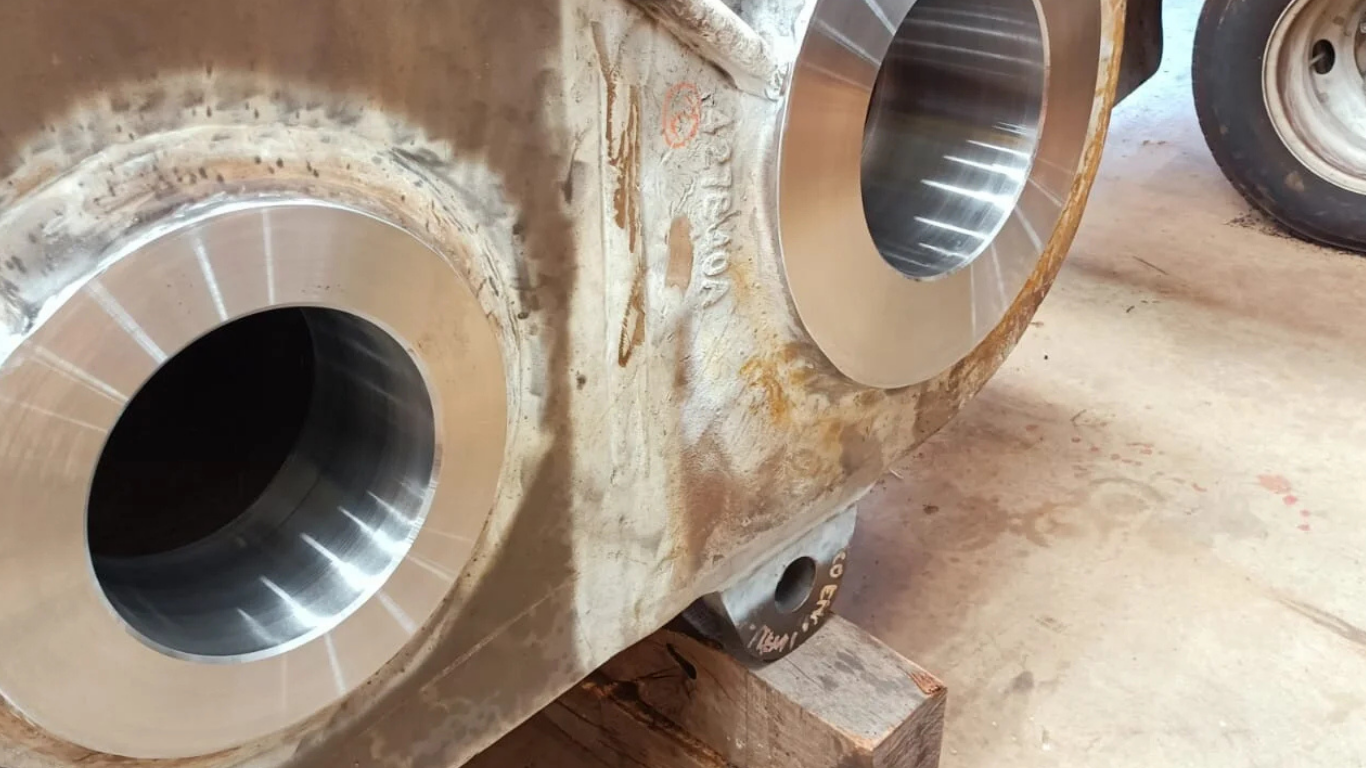
- Oval-shaped bores
- Hydraulic misalignment
- Permanent structural damage
Even a short period of continued use can turn a repairable issue into a costly replacement job.
Step 2: Inspect the Damage Safely
Before calling for repairs, perform a basic visual inspection if it is safe to do so.
Look for:
- Excessive movement in joints
- Metal shavings around pivot points
- Uneven pin wear
- Oil leaks near connection areas
- Abnormal noises during operation
These signs often indicate bore wear that requires professional on site line boring services to restore alignment and tolerances.
Avoid disassembling components unless trained personnel are available, as improper handling can worsen damage.
Step 3: Call Emergency On-Site Repair Specialists
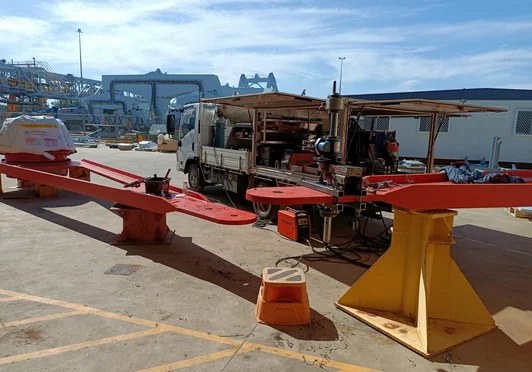
Transporting heavy machinery to a workshop is often impractical during emergencies. This is why many industries now rely on mobile line boring services, which allow technicians to perform precision machining directly at the worksite.
On-site repairs provide several advantages:
- Faster response times
- Reduced transport costs
- Minimal downtime
- Accurate alignment under real operating conditions
A qualified technician can assess whether machining, welding, or component replacement is required.
For equipment owners facing urgent downtime, contacting specialists offering line boring services is often the fastest path back to operation.
Step 4: Understand How Emergency Line Boring Works
Emergency machining involves restoring worn bores without removing major machine components.
The process typically includes:
- Damage assessment and measurement
- Weld build-up of worn areas
- Precision machining to original specifications
- Alignment verification
- Installation of pins and bushings
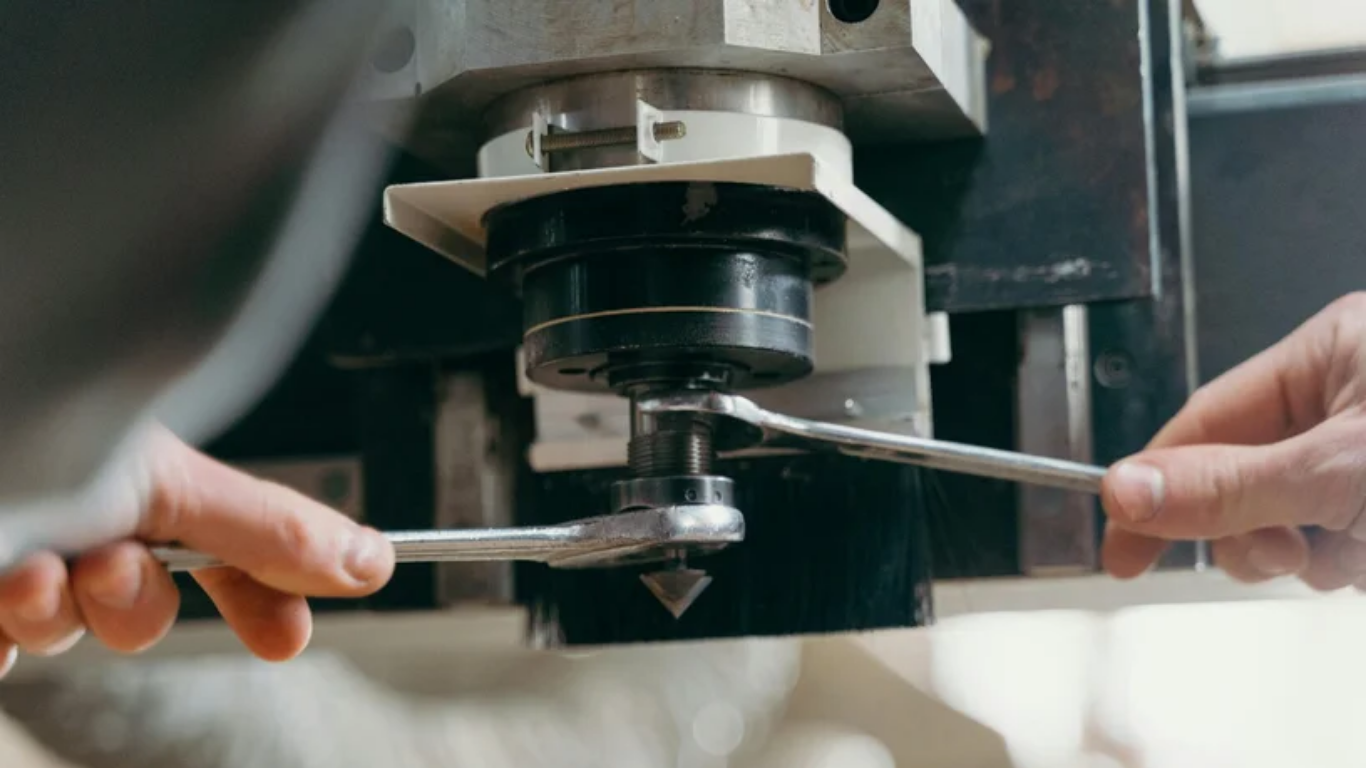
Modern field machining services use portable equipment capable of achieving extremely tight tolerances, ensuring repairs meet industry standards even outside a workshop.
This process restores structural accuracy and prevents uneven stress distribution across machinery joints.
Step 5: Prevent Secondary Damage During Downtime
While waiting for repairs, operators should protect the equipment from further deterioration.
Recommended actions include:
- Supporting damaged components properly
- Keeping exposed areas clean
- Preventing moisture contamination
- Restricting unauthorized operation
These small precautions help technicians complete repairs more efficiently once they arrive.
Why On-Site Emergency Repairs Are Becoming Industry Standard
Industries increasingly prefer on site line boring services because downtime directly impacts profitability. Moving large machines off-site can take days or weeks, while portable machining allows repairs to begin almost immediately.
Key benefits include:
- Faster project recovery
- Lower operational disruption
- Reduced equipment handling risks
- Improved repair accuracy
For mining and construction environments where time equals revenue, rapid response machining solutions have become essential.
Warning Signs That Emergency Repairs May Be Needed Soon
Recognizing early warning signs helps avoid sudden failures.
Watch for:
- Increased vibration during operation
- Loose bucket or arm movement
- Uneven wear patterns
- Hydraulic inefficiency
- Knocking or clunking noises
Scheduling maintenance early through professional mobile line boring services can prevent emergency breakdowns altogether.
Long-Term Benefits of Professional Emergency Repairs
Emergency repairs are not just temporary fixes when performed correctly. Precision machining restores equipment geometry, allowing machinery to operate safely for years.
Benefits include:
- Extended equipment lifespan
- Improved operational safety
- Reduced maintenance frequency
- Better performance efficiency
- Lower long-term repair costs
Businesses that invest in timely line boring services often avoid expensive component replacements and prolonged downtime.
How to Reduce Future Equipment Emergencies
While emergencies cannot always be avoided, proactive maintenance greatly reduces risk.
Best practices include:
- Routine inspections of pivot points
- Proper lubrication schedules
- Early replacement of worn pins
- Monitoring equipment vibration
- Scheduling preventive machining checks
Combining maintenance with expert field machining services ensures equipment remains aligned and structurally sound.
Final Thoughts
Machinery failure can disrupt operations instantly, but the right response minimizes damage and downtime. Acting quickly, stopping equipment, and contacting professionals offering on site line boring services allows repairs to begin before problems escalate.
Emergency machining solutions have transformed how industries handle breakdowns, providing fast, accurate repairs without removing equipment from the job site. With experienced technicians and modern portable tools, emergency repairs can restore machinery performance efficiently and safely.
For equipment owners, preparation and rapid response remain the key to keeping operations running smoothly even when unexpected failures occur.
FAQs
1. What qualifies as an equipment repair emergency?
Any failure that stops operation, causes structural instability, or risks further mechanical damage should be treated as an emergency repair situation.
2. How quickly can emergency line boring repairs begin?
Many providers offering mobile line boring services can mobilize quickly depending on location and equipment availability.
3. Is emergency on-site machining as accurate as workshop repairs?
Yes. Modern portable machining equipment delivers precise tolerances comparable to workshop machining.
4. Can emergency repairs prevent full equipment replacement?
In many cases, yes. Early intervention using professional line boring services can restore damaged components before replacement becomes necessary.