Sign up with Google
 Sign in with Zoho

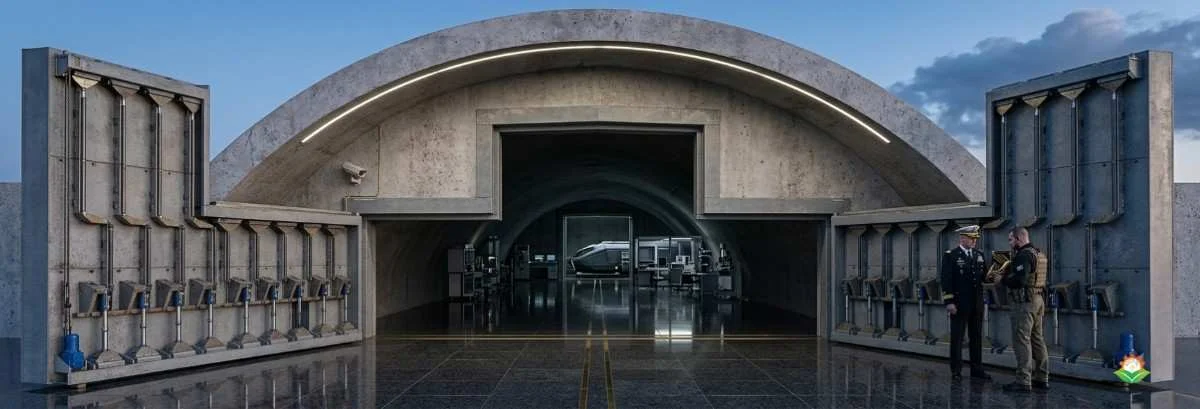
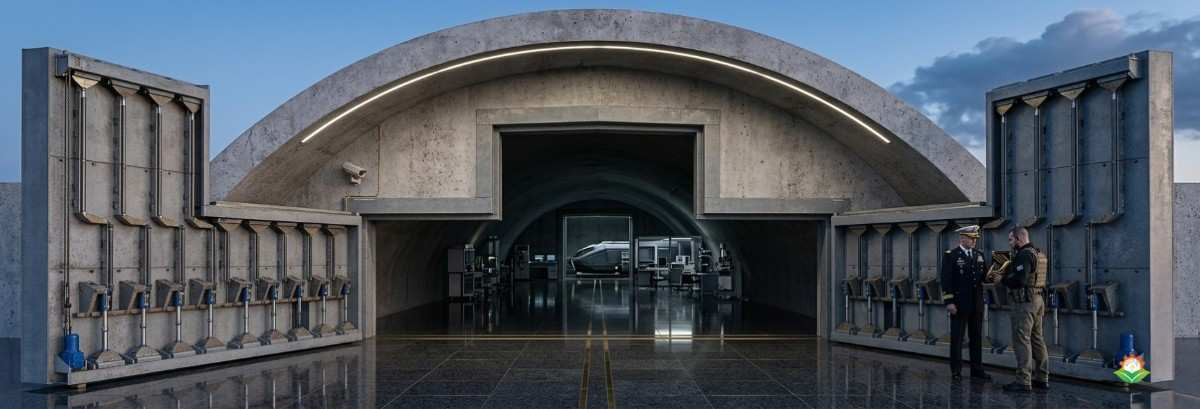
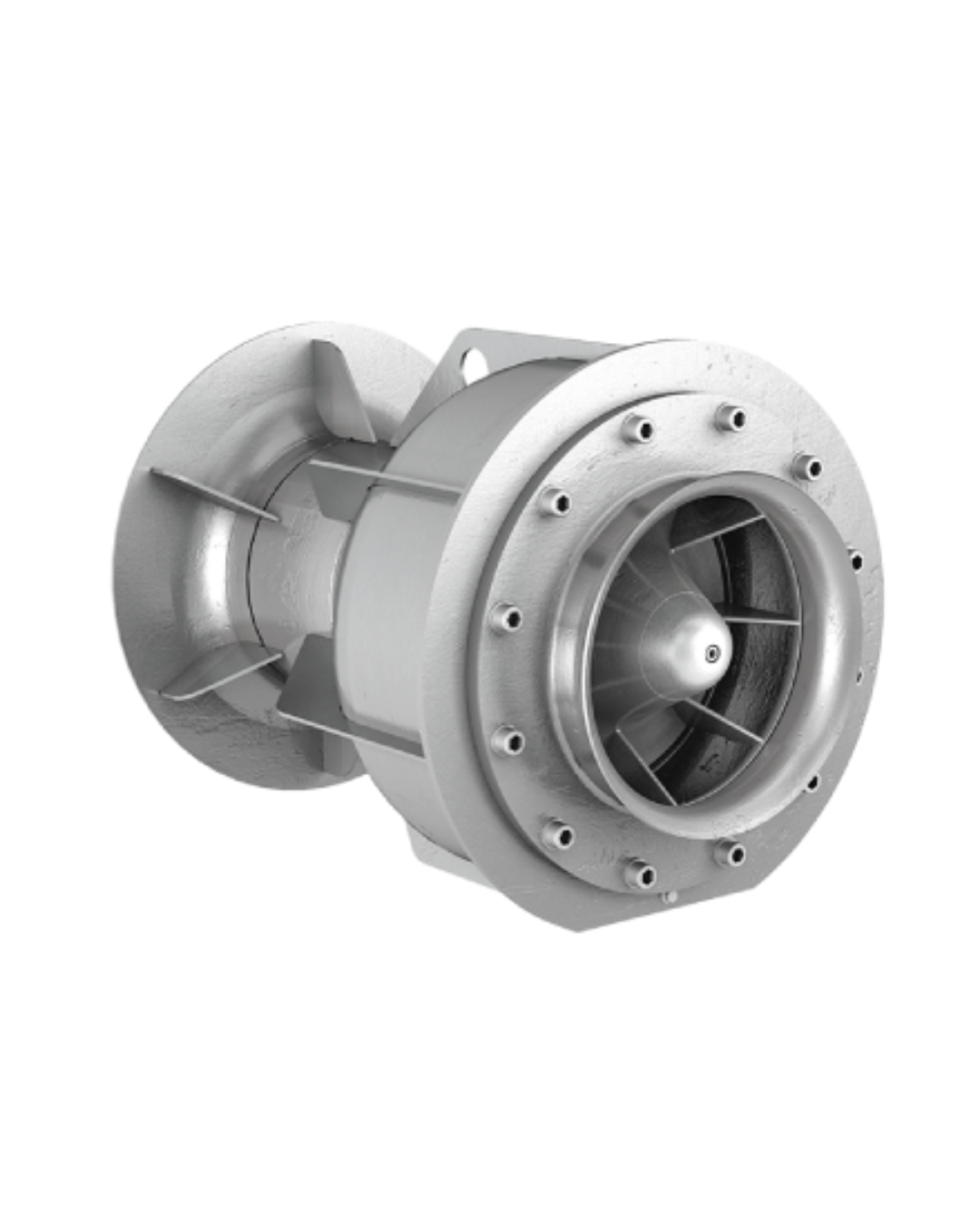
When we think about bunker safety, most people imagine thick concrete walls, reinforced doors, and underground structures built to withstand extreme conditions. But there’s one critical component that often goes unnoticed—blast valves. These small yet powerful devices play a huge role in keeping bunkers safe, functional, and breathable during high-risk situations.
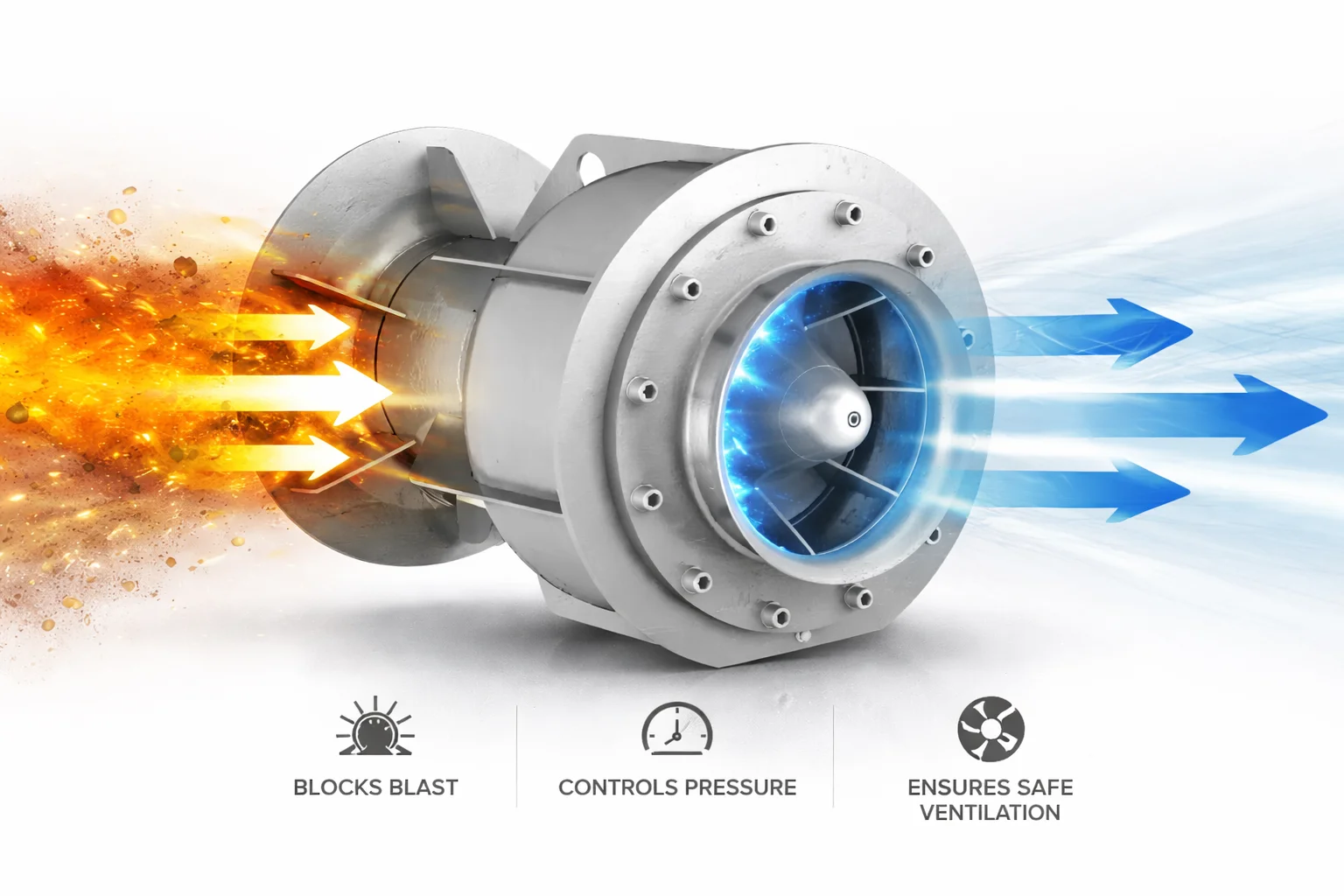
Imagine a bunker during an explosion scenario. The external blast pressure travels at incredible speed, searching for any entry point. Ventilation ducts, which are essential for fresh air, can quickly become dangerous pathways. This is exactly where a blast valve for bunker systems becomes essential—it acts as a shield, blocking destructive pressure while still allowing proper airflow when conditions are safe.
Understanding the Role of Blast Valves
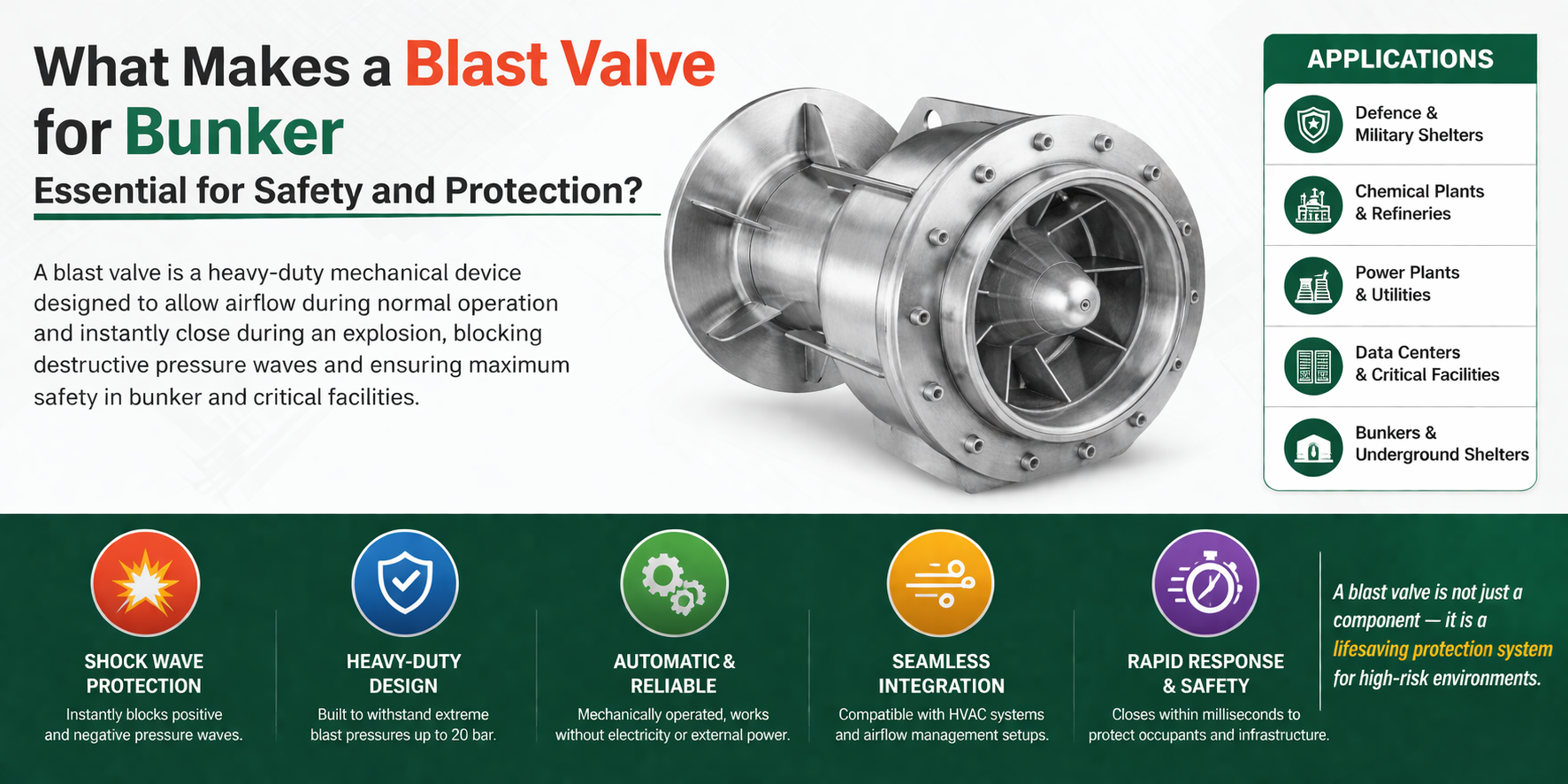
At its core, a blast valve is a protective device installed in ventilation systems. Its job is simple but critical: prevent shockwaves and high-pressure blasts from entering the bunker through air ducts.
Under normal conditions, the valve remains open, allowing clean air to circulate freely. But the moment a blast wave approaches, the valve reacts instantly—closing shut to stop the pressure from entering. This quick response can make the difference between safety and severe damage inside the bunker.
It’s not just about protection—it’s about maintaining a controlled environment where people can survive safely, even in extreme situations.
Why Blast Valves Are Essential for Bunkers
Bunkers are designed to protect human life and sensitive equipment. However, without proper ventilation protection, even the strongest structure can be compromised.
Blast valves provide multiple layers of safety:
- Shockwave Protection: They block sudden pressure surges caused by explosions.
- Airflow Control: They ensure fresh air circulation when there is no threat.
- System Integrity: They prevent damage to HVAC systems and internal components.
- Occupant Safety: They reduce the risk of internal pressure buildup, which can be dangerous.
In simple terms, blast valves act like intelligent gatekeepers—allowing air in when it’s safe and sealing everything when danger approaches.
How Blast Valves Work in HVAC Systems
In modern bunker design, ventilation is handled through advanced HVAC systems. This is where blast valve HVAC integration becomes important.
The valve is installed within the duct system and is calibrated to respond to specific pressure levels. When the pressure exceeds a safe threshold, the valve automatically shuts. Once the pressure stabilizes, it reopens to restore airflow.
This automatic operation ensures that there’s no need for manual intervention during emergencies. Everything happens instantly, giving occupants one less thing to worry about during critical moments.
Blast Valve vs Blast Damper: What’s the Difference?
Many people confuse blast valves with blast dampers, but they serve slightly different purposes.
A blast valve is designed to react instantly to high-pressure shockwaves. It is built for extreme conditions and provides rapid sealing to block dangerous forces.
A blast damper, on the other hand, is more focused on airflow regulation and may not respond as quickly or effectively to sudden blast pressures.
For bunker safety, blast valves are usually the preferred choice because of their fast response and higher protection capability. However, both can be used together in certain systems to create a more comprehensive safety setup.
Factors That Affect Blast Valve Price
When planning a bunker or upgrading an existing system, understanding the blast valve price is important. The cost can vary depending on several factors:
- Size and Capacity: Larger valves designed for high airflow systems typically cost more.
- Material Quality: Heavy-duty steel or specialized coatings increase durability and price.
- Pressure Rating: Valves designed to withstand higher blast pressures are more advanced and expensive.
- Customization: Tailor-made designs for specific bunker requirements can affect pricing.
While it might be tempting to focus on cost savings, it’s important to remember that blast valves are a safety investment. Choosing the right quality can significantly improve long-term protection and reliability.
Choosing the Right Blast Valve
Selecting the right blast valve depends on your bunker’s design and risk level. Here are a few things to keep in mind:
- Evaluate the potential threats your bunker may face.
- Ensure compatibility with your ventilation system.
- Look for reliable performance and fast response time.
- Consider long-term durability and maintenance needs.
It’s always better to invest in a well-designed solution rather than compromise on safety.
The Future of Bunker Protection
As technology continues to evolve, bunker safety systems are becoming more advanced and efficient. Blast valves are now designed with improved sensitivity, faster response mechanisms, and better integration with automated systems.
In high-risk environments such as defense facilities, industrial zones, and emergency shelters, these advancements are not just beneficial—they are essential.
Final Thoughts
Bunker safety is not just about strong walls—it’s about smart protection systems working together. Blast valves may seem like a small component, but their role is incredibly significant.
By preventing blast pressure from entering through vulnerable points like ventilation ducts, they ensure that the bunker remains a safe haven during emergencies. Whether you’re designing a new facility or upgrading an existing one, integrating the right blast valve system is a decision that truly matters.
In the end, it’s not just about protection—it’s about peace of mind, knowing that every detail has been carefully planned to keep people safe when it matters most.