Sign up with Google
 Sign in with Zoho

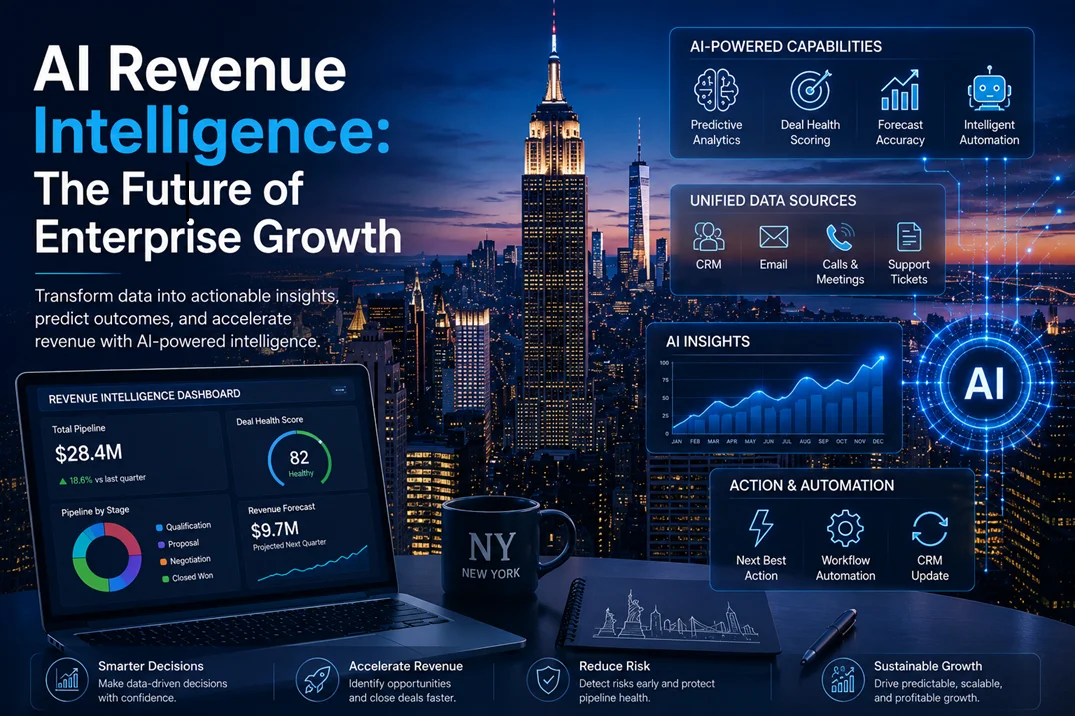
Enterprise sales teams generate enormous amounts of data every day. CRM records, emails, sales calls, customer interactions, meetings, and pipeline updates all contain valuable revenue signals. However, when this information remains scattered across different systems, sales leaders struggle to turn it into timely and actionable decisions.
This is where AI-powered revenue intelligence is becoming a strategic advantage for modern enterprises.
What Is AI Revenue Intelligence?
AI revenue intelligence uses artificial intelligence, machine learning, natural language processing, and automation to analyze revenue-related data and provide actionable insights.
Instead of relying only on historical reports, an AI-powered system can identify patterns, predict outcomes, detect risks, and recommend the next best action. This helps sales and revenue teams make faster, data-driven decisions.
Key Capabilities of an AI Revenue Intelligence Platform
A modern revenue intelligence platform can bring together data from CRM platforms, communication tools, marketing systems, ERP software, and customer support applications.
Some important capabilities include:
1. Predictive Revenue Forecasting
AI models can analyze historical sales performance, pipeline activity, deal stages, customer behavior, and other signals to forecast future revenue. This gives leadership teams better visibility into potential outcomes.
2. Deal Risk Detection
AI can identify deals that may be losing momentum by analyzing changes in engagement, communication frequency, deal progression, and customer sentiment. Sales teams can then take corrective action before opportunities are lost.
3. Conversational Intelligence
AI can analyze sales calls, emails, and meetings to identify customer concerns, buying signals, objections, and important topics. These insights can help sales representatives improve follow-ups and customer engagement.
4. Automated Sales Workflows
AI-powered workflows can automate repetitive activities such as CRM updates, lead prioritization, follow-up reminders, reporting, and sales notifications. This allows sales teams to spend more time on high-value activities.
Technology Behind Revenue Intelligence
Building an enterprise-grade revenue intelligence platform requires more than an AI model. It needs a scalable technology architecture capable of processing large volumes of structured and unstructured data.
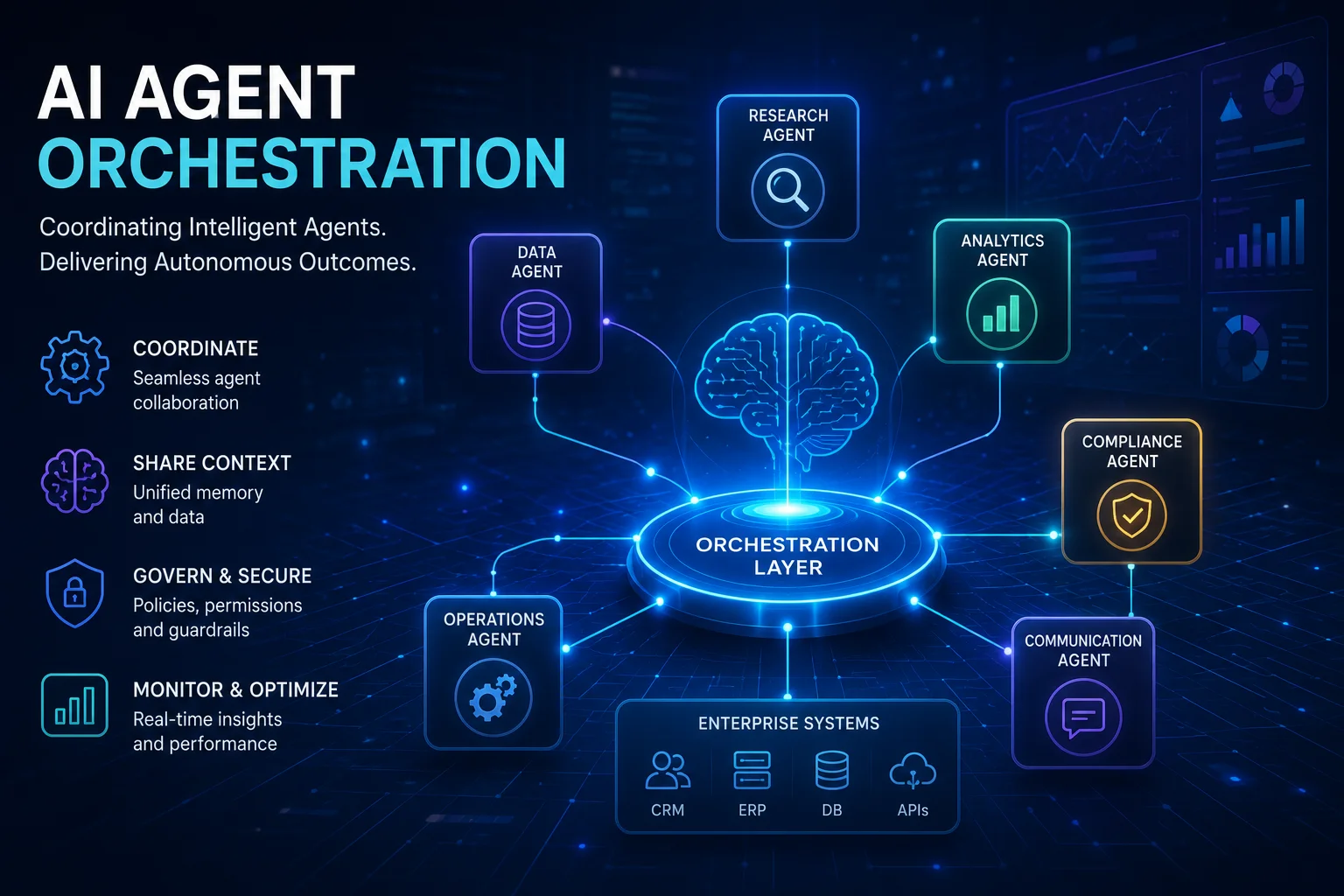
A typical platform may combine cloud infrastructure, data pipelines, APIs, machine learning models, LLMs, RAG, databases, and workflow automation.
Data from different business systems can be unified into a centralized intelligence layer. AI models can then analyze this information and deliver insights through dashboards, alerts, reports, or conversational interfaces.
Benefits for Enterprises
AI revenue intelligence can provide several business benefits, including:
- More accurate revenue forecasting
- Faster identification of sales risks
- Better pipeline visibility
- Improved sales productivity
- Automated reporting and CRM activities
- Personalized recommendations
- Data-driven revenue decisions
For enterprises operating in competitive markets, these capabilities can help transform revenue operations from reactive reporting into proactive decision-making.
Building the Right AI Revenue Intelligence Strategy
Successful implementation starts with identifying the business problems the platform needs to solve. Enterprises should define their data sources, AI use cases, security requirements, integrations, and scalability goals before selecting technologies.
Data quality is equally important. AI systems can only deliver reliable insights when the underlying data is accurate, consistent, and accessible.
Enterprises should also prioritize security, role-based access, data governance, and responsible AI practices when handling sensitive customer and revenue information.
Conclusion
AI-powered revenue intelligence is changing how enterprises understand and manage their sales performance. By combining business data with predictive analytics, LLMs, and automation, organizations can identify opportunities earlier, reduce revenue risks, and make smarter decisions.
For enterprises looking to build a customized solution, the right architecture and AI strategy can turn fragmented revenue data into a powerful competitive advantage.