Sign up with Google
 Sign in with Zoho

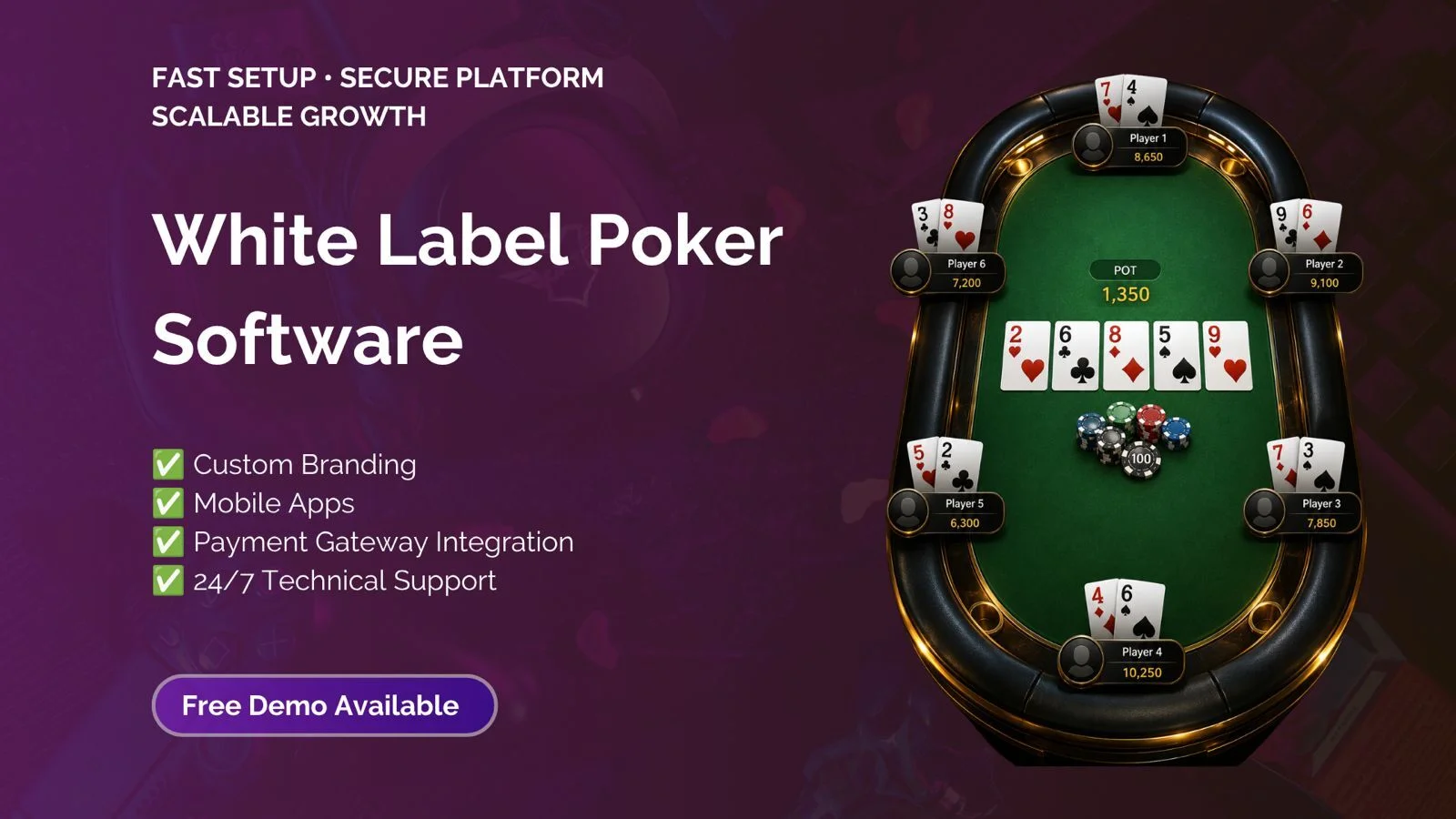
Whether you are deploying a turnkey solution or building from the ground up, blending strategic UX design with robust technical development is what separates successful iGaming brands from the rest. Let's look at the best practices for designing a player-first digital poker ecosystem.
1. Selecting the Ideal Software Framework
Your software foundation dictates your development timeline and customization limits. Operators generally choose from three primary paths:
- Poker Scripts: An excellent choice for a rapid, budget-friendly market entry, minimizing your initial launch timelines.
- White-Label Poker Software: Provides a ready-to-deploy, compliant core system that you can quickly skin and launch with your own branding.
- Custom Poker Software Platforms: The premium choice for deep feature customization, unique UI/UX hooks, and distinct brand positioning.
2. Streamlining the Onboarding and Registration Flow
First impressions happen in seconds. If a new player encounters a confusing sign-up process, they will delete the app before playing a single hand.
- Keep registration simple and frictionless.
- Ensure that mandatory regulatory compliance and KYC (Know Your Customer) checks are handled smoothly without frustrating the user.
- Use clear, step-by-step progress bars to manage expectations during identity verification.
3. Designing an Intuitive, Immersive Table UI
At the core of poker app development is the virtual table itself. Players expect a clean, distraction-free environment where they can focus on their strategy.
- Visual Clarity: Card ranks, suits, and pot sizes must be instantly readable, even on smaller smartphone screens.
- Frictionless Action Buttons: Design sliders and action buttons (Fold, Call, Raise) to be thumb-friendly and distinctly separated to prevent accidental misclicks.
- Smooth Animations: Seamless card dealing and chip movements make the game feel tactile, alive, and professional.
4. Prioritizing Mobile Compatibility and Performance
Modern players want to jump into a game whenever and wherever they please. Ensuring cross-platform optimization is non-negotiable.
- Responsive Layouts: The UI must adapt flawlessly across diverse iOS and Android smartphones, tablets, and desktops.
- One-Handed Modes: Portrait-mode optimization allows users to play comfortably while on the move.
- Battery and Data Efficiency: Strong backend engineering prevents the app from overheating devices or consuming excessive mobile data during extended sessions.
5. Crafting Seamless Multi-Table and Tournament UX
Engaging tournament structures are massive drivers for user acquisition and retention. Managing multiple games simultaneously shouldn't feel like a chore.
- Advanced Tournament Management: Provide clear lobbies detailing blind structures, prize pools, and registration cut-offs.
- Intuitive Table Switching: Implement swipe gestures or mini-grid views that allow players to seamlessly jump between active hands without losing situational awareness.
6. Building Trust Through Transparent Security
In real-money gaming, a user's perception of security directly correlates to their retention. If a player doubts the fairness of the game, they won't return.
- Visibly display certifications for your Random Number Generator (RNG).
- Incorporate real-time anti-collusion notifications and visible security metrics to reassure players that the ecosystem is fair and well-monitored.
7. Frictionless Payment Integration
Deposits and cashouts should be swift and painless. Integrating a reliable payment matrix elevates user trust and boosts conversions.
- Offer diverse banking options including traditional credit cards, popular e-wallets, and modern cryptocurrency integrations.
- Keep deposit screens clean and minimal, and ensure withdrawal wait times are transparent and kept to an absolute minimum.
8. Enhancing Retention with Social and Marketing Tools
Great UX extends beyond the poker table; it includes how players interact with your brand outside of live gameplay.
- Marketing Automation: Deliver personalized reload rewards or push notifications about upcoming tournaments without spamming.
- Referral Programs: Create intuitive, one-click invite links that reward players for introducing friends to the community.
- Responsible Gaming Features: Provide easily accessible self-exclusion tools, deposit limits, and session timers right within the profile menu.
9. Leveraging Analytics for Continuous Optimization
UX design is a living process. By embedding deep data analytics into your software backend, you can track user behavior, pinpoint exactly where players drop off, and discover which features underperform. Use these insights to continually refine and update your platform to match evolving player habits.
Conclusion
Building a successful online poker platform requires a tight alignment between technological infrastructure and player-centric design. Whether your business leverages a streamlined poker script, a ready-to-go white-label platform, or custom software development, prioritizing intuitive UX ensures your platform isn't just played—it's remembered. By keeping gameplay secure, smooth, and engaging, you build a loyal player base that sustains your long-term growth.



.webp)