 Sign up with Google
 Sign in with Zoho

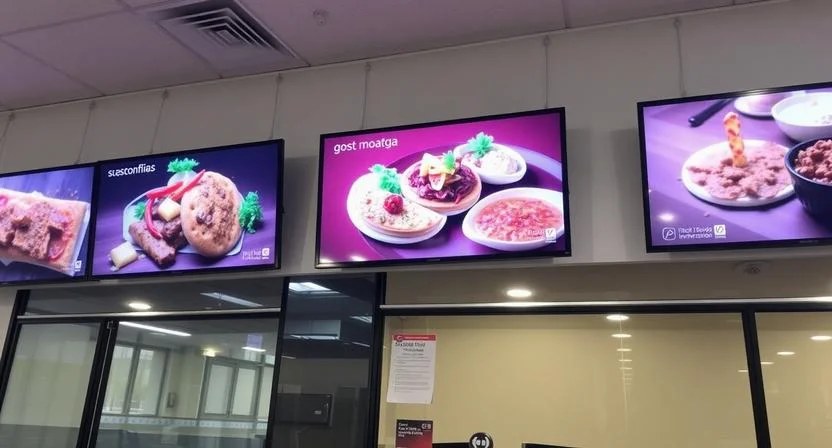
Visit a contemporary fast-casual restaurant today, and you may notice something missing: the clutter of laminated menus, peeling posters, and handwritten price tags taped to the counter. Instead, sleek screens display enticing food images, real-time pricing, and rotating offers. Digital menu boards, often referred to as restaurant TV menus, have moved beyond being a novelty to becoming an important part of modern dining. The reasons go far beyond aesthetics.
What Are Digital Menu Boards?
Digital menu boards are electronic screens that replace printed menus in restaurants, cafes, food courts, and quick-service establishments. These systems operate through specialized software that allows operators to update content remotely, schedule different menus throughout the day, and display dynamic visuals that printed materials cannot offer.
A well-configured restaurant TV menu is more than a television playing a looping video. It can connect to a central dashboard, support multiple locations, and respond to real-time situations, such as automatically removing sold-out items from the board or switching from breakfast to lunch menus at a predetermined time.
The Shift to Screen-First Dining
Consumer expectations have changed. Customers are now accustomed to seeing digital screens at gas stations, banks, and grocery checkout counters. These displays no longer seem futuristic when used in restaurants. What is changing is how strategically restaurant operators use them, rather than treating them as ordinary digital posters.
Forward-thinking restaurants consider their menu boards a source of revenue, not just information. Screens can highlight high-margin items during slower periods, encourage customers to purchase combo meals, and adjust product placement based on sales performance.
This shift from passive displays to active merchandising is where digital menu boards are finding their place in contemporary restaurant design.
The Main Advantages for Restaurant Operators
Automatic updates and reduced reprinting costs. Price changes, seasonal offers, and sold-out notices can appear within seconds across connected screens. There is no need for emergency print runs or inconsistent signage between locations.
Daypart automation. Breakfast, lunch, happy-hour, and dinner menus can rotate automatically at scheduled times. Customers always see relevant offerings without requiring staff to change the displays manually.
Visual persuasion. High-resolution food photography and subtle motion graphics can attract more attention to particular items than plain text, encouraging customers to explore additional options.
Multi-location consistency. Franchise operators can distribute brand-compliant content to every branch while allowing flexibility for local pricing or regional specials.
Less waste and reduced printing requirements. Replacing printed menus with digital displays can reduce paper waste and support sustainability objectives that are becoming increasingly important to diners.
Design Principles That Make Menu Boards Work
A digital menu board is only as effective as its design. Readability from a distance is essential. Diners should be able to identify categories, prices, and important items within a few seconds of looking at the screen. Fonts should be large, contrast should be strong, and layouts should remain uncluttered.
Motion should also be handled carefully. Subtle transitions and gentle visual accents attract attention, while flashing effects and rapid cuts can overwhelm or irritate viewers. The best menu boards guide the customer's attention naturally rather than demanding it.
Content placement matters as well. Signature dishes and high-margin items should occupy prominent positions where customers are likely to notice them. Promotional material can rotate periodically, while the core menu remains consistent and easy to scan.
Hardware and Software
Choosing the right setup depends on the restaurant environment. Brightly lit counters may require high-brightness commercial displays, while dimmer dining areas may not need the same brightness levels. Commercial-grade screens are designed for longer operating hours and more demanding conditions than typical consumer televisions.
When selecting software, look for cloud-based management that supports remote scheduling, multi-screen synchronization, and integration with point-of-sale systems.
POS integration is especially helpful. When a product sells out, it can be automatically removed from connected menu boards, reducing the risk of disappointed customers and unnecessary refund requests.
Reliability is equally important. A frozen or blank screen during the lunch rush can undermine customer confidence. Features such as redundancy, offline content caching, and automatic recovery can help protect against common system failures.
Most Frequently Made Errors
Many early adopters treat digital menu boards like ordinary posters. They upload a single image and rarely update it again. This wastes one of the technology's greatest advantages: flexibility.
Others overcrowd a single screen with too many items, animations, or lengthy descriptions, turning what should be a helpful display into an obstacle for customers.
Another common mistake is neglecting accessibility. Small text and low-contrast color combinations can make menus difficult to read, particularly for older customers and those with visual impairments. Inclusive design is not only a matter of accessibility but also good business practice.
The Road Ahead
Digital menu boards continue to evolve. Some systems support multiple languages, allergen information, and personalized recommendations based on the time of day or inventory availability. As display hardware becomes more affordable and management software becomes easier to use, restaurant TV menus are likely to become increasingly common.
Final Thoughts
Restaurant TV menus offer genuine operational improvements, including faster updates, more appealing presentations, and smarter merchandising when implemented thoughtfully.
The technology alone is no longer what makes the difference. How restaurants design, manage, and improve their digital menu boards determines whether a screen becomes forgettable or an effective sales tool.
For operators considering the switch to digital menu boards for restaurants, the question is no longer simply whether the technology makes sense, but how soon they can create a system that works as hard as their kitchen.