Sign up with Google
 Sign in with Zoho

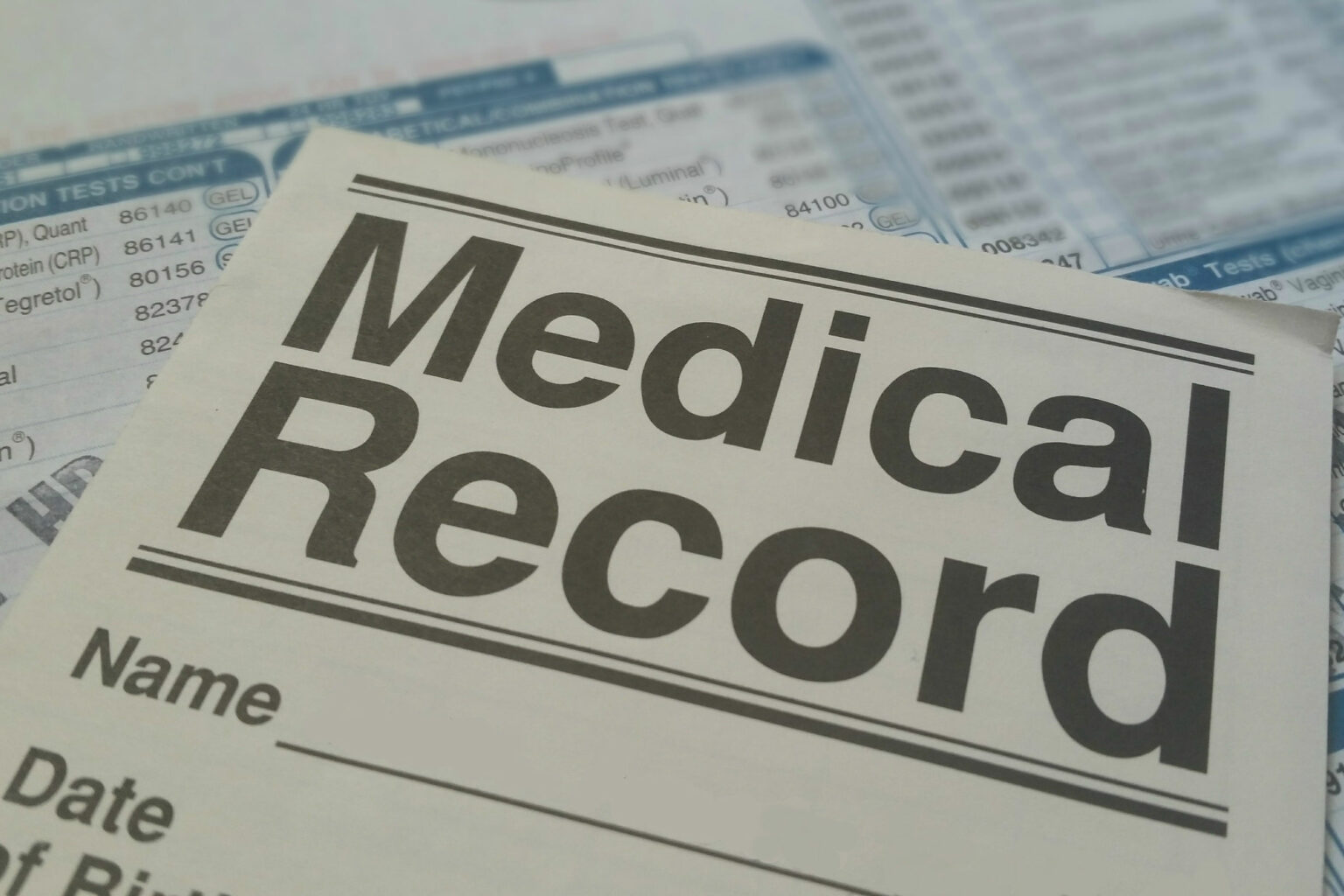
The healthcare industry is increasingly relying on medical record summarization and data management to streamline the complex process of handling patient information. With the growing volume of data ranging from admission records to diagnostic and surgical reports, the need for accurate, structured, and easily accessible medical summaries has become critical.
These summaries provide a clear and concise overview of a patient’s medical history, enabling claim processors, attorneys, and physicians to quickly understand key medical events. Beyond legal and insurance use cases, they also play a vital role in clinical decision-making and treatment planning.
However, one major challenge continues to impact efficiency and accuracy: handwritten medical records.
The Persistence of Handwritten Records in the Digital Era
Despite the widespread adoption of Electronic Medical Records (EMRs), handwritten documentation still exists across many healthcare systems. While EMRs allow for searchable, structured, and OCR-readable data, handwritten notes remain common in:
- Emergencies
- Doctor’s rounds
- Legacy medical records
- Smaller healthcare facilities
These handwritten notes often contain critical patient information, including diagnoses, medications, and treatment updates. However, their unstructured and inconsistent nature makes it difficult to process efficiently.
Why Handwritten Medical Data is a Major Challenge
Unlike digital text, handwritten medical data introduces multiple complexities:
- Variability in Handwriting Styles: Every healthcare professional writes differently, making it difficult to standardize interpretation.
- Legibility Issues: Faded ink, poor scans, and smudged text can make records nearly unreadable, especially older documents.
- Use of Abbreviations and Short Forms: While some abbreviations are standard, many are context-specific or personal, requiring domain expertise to decode.
- Inconsistent Symbols and Terminology: Personalized symbols and shorthand create interpretation gaps for non-native reviewers.
- Irregular Font Size and Spacing: Small, cramped writing or uneven spacing can obscure critical details.
- Impact of Time Pressure and Fatigue: Notes written under pressure are often rushed and unclear, increasing the risk of misinterpretation.
Impact of Handwritten Records on Medical Summarization
Errors in interpreting handwritten records can significantly impact medical record accuracy, claims processing, and legal outcomes:
- Incorrect Date Interpretation: Even minor errors can disrupt treatment timelines and case evaluations.
- Misinterpretation of Diagnoses or Symptoms: Can lead to incorrect summaries and flawed decision-making.
- Missing Critical Information: Illegible text may result in incomplete medical summaries.
- Errors in Lab Results: Misreading numerical data can cause serious medical or legal consequences.
- Operational Delays: Manual decoding of handwritten notes slows down insurance claims, legal reviews, and patient care workflows.
Solutions to Overcome Handwritten Data Challenges
To ensure accuracy and efficiency in medical data management, a combination of expertise and technology is essential:
- Domain Expertise: Professionals with strong medical knowledge can interpret unclear handwriting using context and experience.
- Pattern Recognition Skills: Experienced reviewers identify common handwriting styles, abbreviations, and medical patterns.
- Advanced Technologies (AI & OCR Enhancements): While traditional OCR struggles with handwriting, AI-powered tools and machine learning models are improving recognition capabilities.
- Standardized Quality Processes: Implementing multi-level quality checks, validation workflows, and cross-referencing systems ensures higher accuracy.
How 1Point1 Solutions Excels in Handwritten Medical Data Management
1Point1 Solutions stands out as a trusted partner in handling complex handwritten medical records. With over 20 years of experience, the company has developed specialized workflows and quality frameworks to manage even the most challenging documents.
Their approach includes:
- Medical domain experts trained in handwriting interpretation
- Technology-enabled validation processes
- High-accuracy medical record summarization for legal, insurance, and healthcare use cases
By combining human expertise with advanced technology, 1Point1 ensures accurate, reliable, and timely medical summaries, enabling better decision-making across industries.
Conclusion: Bridging the Gap Between Handwritten Data and Digital Accuracy
While the healthcare industry continues to digitize, handwritten medical records remain a critical challenge. Organizations that invest in expert-driven processes and AI-powered solutions can significantly improve data accuracy, operational efficiency, and turnaround time.
Transforming handwritten data into structured, actionable insights is no longer optional, it’s essential for modern healthcare and claims ecosystems.