
 Sign up with Google
 Sign in with Zoho

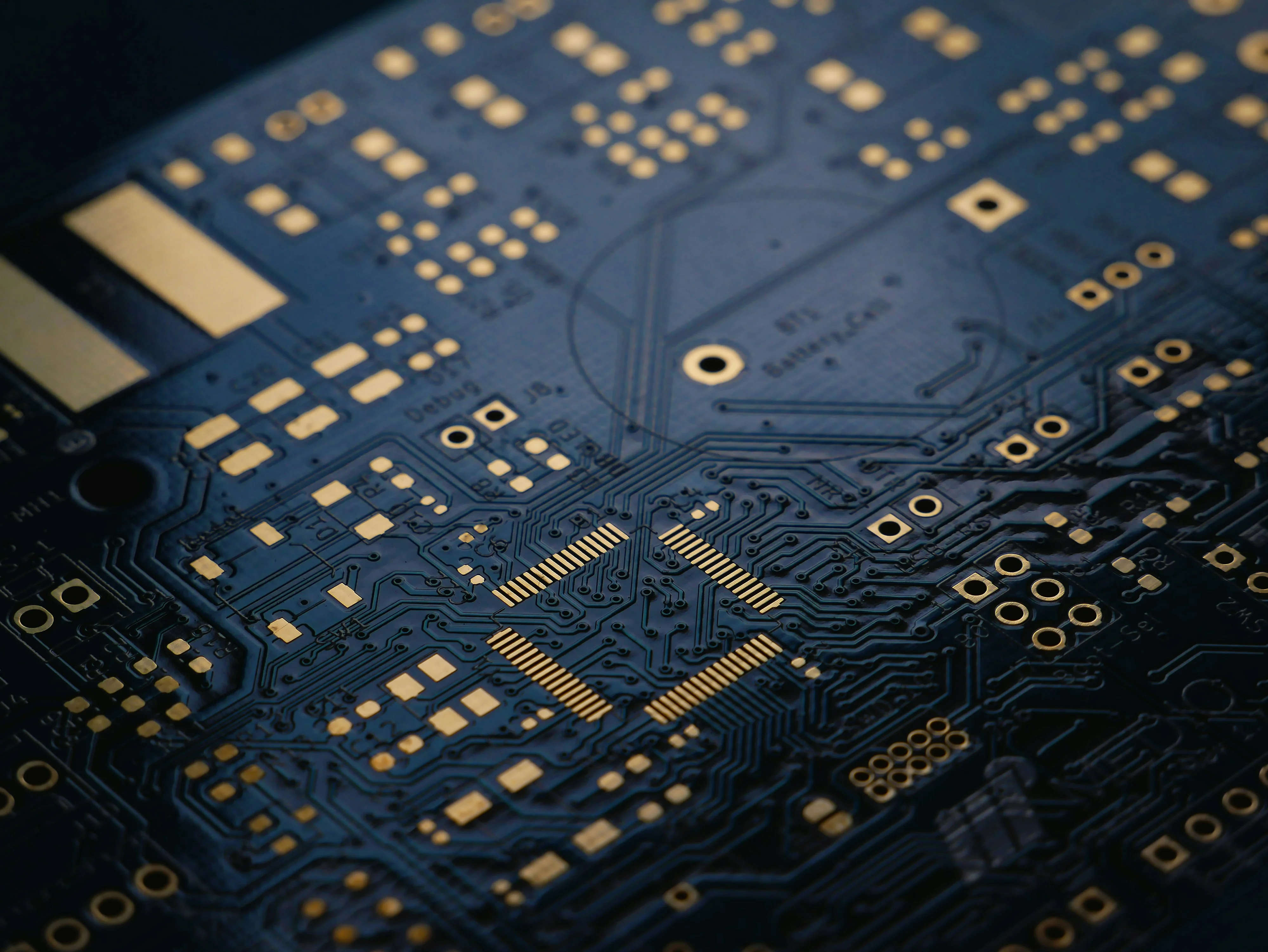
The semiconductor industry is moving toward increasingly complex chips designed for artificial intelligence (AI), high-performance computing, automotive electronics, communications, and advanced consumer devices. As device architectures become more sophisticated, manufacturers require reliable testing throughout production to identify defects, verify electrical performance, and maintain consistent yields. Semiconductor test equipment therefore plays an important role in connecting chip manufacturing with quality assurance and commercial deployment.
A comprehensive assessment by Markntel Advisor reveals that the global semiconductor test equipment sector is valued at USD 15.29 billion in 2026 and is projected to reach USD 22.38 billion by 2032, registering a CAGR of 6.56% during 2026–2032. Automated Test Equipment (ATE) is the leading segment by product type, while Asia Pacific represents the largest region. The semiconductor test equipment market study examines product types, technologies, applications, and other industry dimensions.
Automated Testing Supports Higher Production Complexity
Automated Test Equipment, or ATE, is designed to automatically evaluate semiconductor devices against predefined electrical and functional parameters. It can perform measurements at high speed and across large production volumes, making automation important for manufacturers seeking consistent testing processes.
The increasing complexity of processors, memory devices, power semiconductors, and other integrated circuits is raising the number of parameters that need to be evaluated. Automated testing can help manufacturers identify defective devices before they reach later production stages, supporting quality control and reducing the risks associated with faulty components.
AI Accelerates Testing Requirements
AI infrastructure is increasing demand for high-performance processors and advanced memory technologies. As chipmakers develop devices with higher computational capabilities, testing requirements are also becoming more demanding. SEMI reported in 2026 that semiconductor test equipment sales were projected to increase 31% to USD 15.3 billion, supported by investment in AI infrastructure, advanced memory, and increasingly complex devices. Its latest semiconductor equipment outlook highlights the expanding role of testing and packaging in the AI hardware ecosystem.
High-bandwidth memory (HBM), advanced processors, and heterogeneous chip architectures can require more rigorous validation because multiple components and technologies must operate together. This is increasing attention toward testing capabilities that can handle higher data volumes and more complex performance requirements.
Metrology Strengthens Quality Control
Metrology refers to the science of measurement and is fundamental to semiconductor manufacturing because microscopic variations can affect device performance and production yields. Measurement technologies help manufacturers monitor dimensions, materials, alignment, electrical characteristics, and other parameters throughout fabrication.
The NIST semiconductor metrology program emphasizes accurate and fit-for-purpose measurement for microelectronic materials, devices, circuits, and systems. NIST notes that increasingly complex and multilayered devices make manufacturing measurement more challenging, reinforcing the importance of advanced metrology and process-control capabilities.
Advanced Packaging Expands Testing Needs
Semiconductor packaging is also becoming more sophisticated as manufacturers adopt technologies such as chiplets, three-dimensional integration, wafer-level packaging, and other advanced approaches. These technologies can improve system integration and performance but introduce additional interfaces and potential points of failure.
Testing therefore increasingly extends beyond individual semiconductor dies to include packaged components and integrated systems. Measurement and inspection capabilities are becoming important for evaluating bonding, alignment, thermal behavior, electrical connectivity, and package reliability as manufacturers move toward higher levels of integration.
Asia Pacific Maintains a Major Industry Position
Asia Pacific remains a central region for semiconductor manufacturing, assembly, packaging, and testing activities. The region includes major semiconductor production ecosystems and a large concentration of facilities involved in back-end manufacturing.
SEMI's 2026 assembly and test facility database covers more than 820 facilities worldwide, including integrated device manufacturers and outsourced semiconductor assembly and test providers. The database tracks capabilities covering assembly, packaging, testing, device categories, and advanced technologies, illustrating the scale and geographic diversity of the global back-end ecosystem.
Digitalization Improves Testing Efficiency
Data analytics and connected manufacturing systems are increasingly being integrated into semiconductor testing workflows. Test results can be collected and analyzed to identify recurring defects, monitor equipment performance, and support process adjustments. These capabilities can help manufacturers make testing more responsive as production conditions change.
AI-based analytical techniques are also being explored for inspection and metrology. NIST, for example, is developing an AI-supported scanning electron microscopy approach for semiconductor overlay metrology, critical-dimension measurement, and defect inspection. The NIST work on AI-based semiconductor metrology demonstrates how measurement and data technologies are increasingly converging in semiconductor manufacturing.
Reliability Becomes More Important
As semiconductor devices enter demanding applications such as data centers, electric vehicles, industrial systems, telecommunications, and AI infrastructure, reliability requirements are becoming increasingly significant. Testing must account not only for whether a device functions initially but also for whether it can maintain expected performance under specified operating conditions.
This is encouraging greater attention toward burn-in systems, optical inspection, probe equipment, handlers, and other testing technologies alongside automated test platforms. Different equipment categories address different stages and requirements across the semiconductor production and validation process.
Outlook for Semiconductor Testing
The projected expansion from USD 15.29 billion in 2026 to USD 22.38 billion by 2032 reflects the growing importance of testing within an increasingly complex semiconductor ecosystem. AI-driven chip demand, advanced memory, sophisticated packaging, and tighter manufacturing tolerances are creating additional requirements for accurate and scalable validation.
Future development will depend on the ability of test-equipment technologies to manage greater device complexity while maintaining testing speed, measurement accuracy, reliability, and production efficiency. The convergence of automation, metrology, analytics, and advanced packaging is expected to remain central to the evolution of semiconductor testing.