Sign up with Google
 Sign in with Zoho

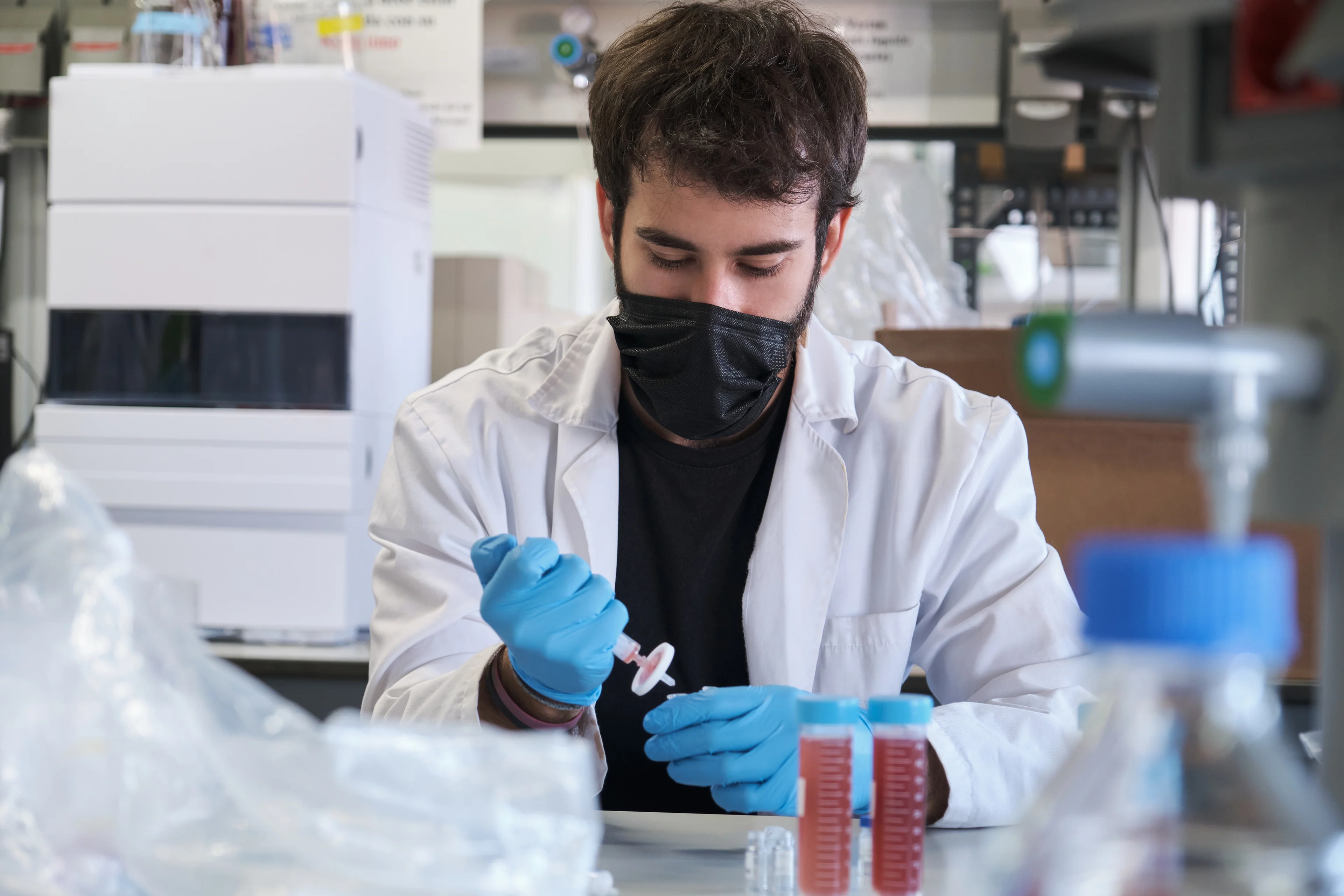
Modern laboratories depend on precision. Whether working in academic research, pharmaceutical development, environmental testing, or chemical analysis, clean and reliable sample preparation is critical. One of the most essential processes that ensures accuracy in laboratory workflows is laboratory filtration.
From separating solids from liquids to preparing samples for advanced instruments like HPLC systems, filtration plays a foundational role in almost every lab setting. High-quality lab equipment and laboratory supplies make this process efficient, safe, and repeatable.
In this guide, we’ll explain what laboratory filtration is, the types of filters used in labs, and how products like filter paper, syringe filters, glass fiber filters, and in line filters support modern scientific work - especially in research labs across the United States and North America.
What Is Laboratory Filtration?
Laboratory filtration is the process of separating solid particles from liquids or gases using a porous material known as a filter.
The filter allows the liquid or gas to pass through while retaining unwanted particles. This ensures that samples are clean, pure, and ready for analysis.
Filtration is commonly used in:
- Chemistry labs
- Pharmaceutical research facilities
- Environmental testing labs
- University research laboratories
- Food and beverage testing
- Clinical and diagnostic settings
Without proper filtration, samples may contain contaminants that affect test results, damage scientific equipment, or compromise research integrity.
Why Laboratory Filtration Matters in Modern Labs
In today’s research environment, accuracy and compliance are non-negotiable. Filtration directly impacts:
1. Data Accuracy
Impurities in samples can interfere with analytical instruments such as spectrometers or chromatography systems.
2. Equipment Protection
Filtering samples before analysis protects sensitive scientific equipment from clogging or damage.
3. Regulatory Compliance
Many industries require documented sample preparation standards. Proper laboratory filtration ensures labs meet these requirements.
4. Workflow Efficiency
High-quality filtration products reduce repeat testing, saving time and resources.
For laboratories in the United States, especially in pharmaceutical and biotech sectors, filtration quality directly affects both research outcomes and regulatory compliance.
What Are the Types of Filters Used in Labs?
There are several types of filters used in laboratory filtration, each designed for specific applications.
1. Filter Paper
Filter paper is one of the most common laboratory supplies used for gravity and vacuum filtration.
It is typically made from cellulose filter paper and is available in different pore sizes to match various filtration applications.
Common uses include:
- Removing precipitates from solutions
- Routine qualitative analysis
- Sample clarification
2. Cellulose Filter and Cellulose Filter Paper
Cellulose filter paper is widely used in general laboratory filtration because it provides good flow rates and consistent particle retention.
It is ideal for:
- Routine chemical analysis
- Educational labs
- Environmental testing
3. Glass Fiber Filters
Glass fiber filters (also called microfiber filter or glass fiber filter media) are made from fine glass fibers. They offer higher loading capacity and faster filtration than standard cellulose filters.
They are commonly used for:
- Air monitoring
- Environmental analysis
- Heavy particulate filtration
- Pre-filtration before membrane filtration
4. Syringe Filters
Syringe filters are small, disposable filtration devices attached to a syringe. They are used for precise sample preparation.
They are especially important in:
- HPLC sample preparation
- Pharmaceutical testing
- Biotech applications
5. In Line Filters
In line filters are installed directly within tubing systems. They continuously filter liquids or gases as they move through a system.
Common applications include:
- Fluid transfer systems
- Analytical instrument protection
- Process monitoring
6. Buchner Filter and Filter Funnel
A Buchner filter setup includes a Buchner funnel and filter paper used in vacuum filtration.
It is commonly used in:
- Organic chemistry labs
- Precipitate recovery
- Large-volume filtration
Difference Between Cellulose and Glass Fiber Filter
This is one of the most searched questions in laboratory filtration.
Here is a simple comparison:
Cellulose Filter Paper
- Made from plant-based cellulose fibers
- Ideal for general lab filtration
- Lower particle loading capacity
- Suitable for gravity filtration
Glass Fiber Filter
- Made from fine glass microfiber
- Higher flow rate
- Higher particle retention capacity
- Ideal for heavy or fine particulate samples
If your application involves heavy particulate matter or requires faster filtration, a glass fiber filter is typically the better choice.
For routine analysis and cost-effective filtration, cellulose filter paper works well.
Which Filter Paper Is Best for Vacuum Filtration?
For vacuum filtration, thicker and stronger filter papers are preferred.
Glass fiber filters are often recommended for vacuum filtration because they:
- Withstand pressure differences
- Offer high flow rates
- Resist tearing under suction
However, for standard vacuum setups in chemistry labs, high-quality cellulose filter paper can also perform effectively.
The best choice depends on:
- Particle size
- Sample volume
- Filtration speed requirements
What Are Syringe Filters Used For?
Syringe filters are used for removing fine particles from small liquid samples before analysis.
They are especially critical in:
- HPLC (High Performance Liquid Chromatography)
- UHPLC systems
- Pharmaceutical sample testing
- Research lab analysis
By filtering samples before injection into analytical equipment, syringe filters prevent:
- Column blockage
- Pressure build-up
- Instrument damage
In research labs across the United States, syringe filters are considered essential chemistry lab equipment for accurate testing.
Which Syringe Filter for HPLC?
For HPLC applications, choosing the correct syringe filter depends on:
- Sample compatibility
- Solvent type
- Pore size
Typically:
- 0.45 µm filters are used for general sample preparation
- 0.22 µm filters are used for finer filtration
Membrane material selection (such as PTFE, nylon, or PVDF) depends on solvent compatibility.
Using the correct syringe filter ensures reproducible and reliable results in chromatography workflows.
Laboratory Supplies in USA: Supporting Modern Research
Laboratories across the United States depend on reliable laboratory supplies for daily operations.
High-quality laboratory filtration products are critical for:
- Pharmaceutical companies
- Academic institutions
- Government research labs
- Industrial testing facilities
Working with a trusted lab equipment supplier in the United States ensures:
- Consistent product quality
- Regulatory compliance
- Faster shipping
- Technical support
For universities and research institutions in North America, access to dependable scientific equipment and filtration materials supports innovation and academic excellence.
Chemistry Lab Equipment for Research Labs in USA
Modern chemistry labs require:
- Filter paper
- Glass fiber filters
- Syringe filters
- In line filters
- Weighing paper
- Buchner funnels
- Laboratory safety items
Each piece of equipment contributes to safe, efficient, and accurate research workflows.
Selecting the right laboratory supplies ensures long-term performance and consistent results.
Frequently Asked Questions
What is laboratory filtration?
Laboratory filtration is the process of separating solid particles from liquids or gases using porous materials such as filter paper or membrane filters.
What are the types of filters used in labs?
Common lab filters include cellulose filter paper, glass fiber filters, syringe filters, in line filters, and membrane filters used in vacuum or gravity filtration.
What is the difference between cellulose and glass fiber filter?
Cellulose filters are ideal for general filtration, while glass fiber filters offer higher loading capacity and faster flow rates for heavy particulate samples.
Which filter paper is best for vacuum filtration?
Glass fiber filters are often preferred for vacuum filtration due to their strength and flow rate. However, high-quality cellulose filter paper can also be used for routine applications.
What are syringe filters used for?
Syringe filters are used to remove fine particles from liquid samples before analysis, particularly in HPLC and pharmaceutical testing.
Which syringe filter is best for HPLC?
For HPLC, 0.22 µm or 0.45 µm syringe filters are commonly used. The membrane material should match the solvent compatibility of the sample.
Final Thoughts
Laboratory filtration is more than a routine step—it is the foundation of accurate and reliable scientific work.
From cellulose filter paper to glass fiber filters, syringe filters, and in line filters, choosing the right laboratory supplies ensures better results, safer workflows, and protected equipment.
For research labs, universities, and pharmaceutical facilities across the United States and North America, investing in high-quality lab equipment and scientific equipment is essential for maintaining precision and efficiency in modern laboratories.