Sign up with Google
 Sign in with Zoho

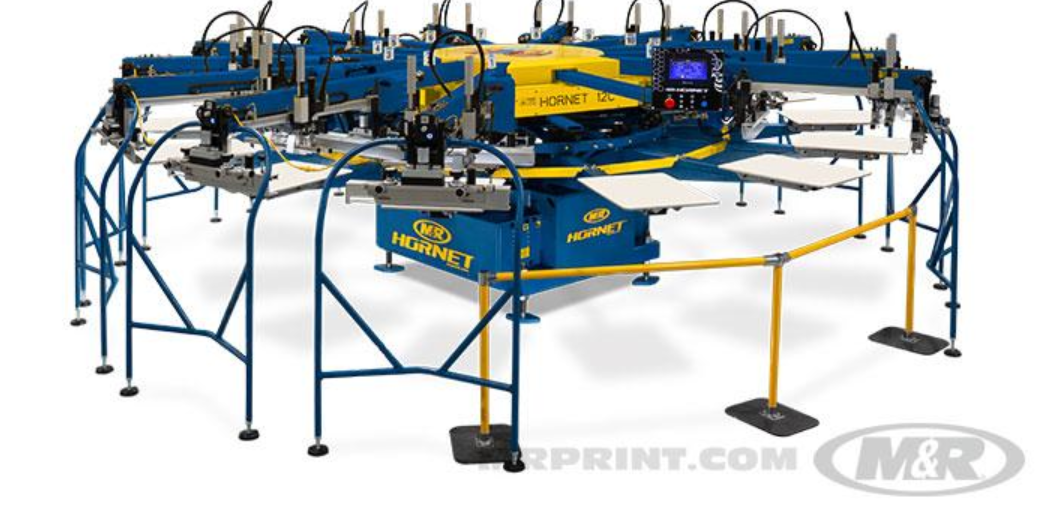
Buying your first machine, or upgrading an old one, can feel overwhelming. You see dozens of options, each promising better speed, quality, or value.
So how do you know what actually fits your production needs?
Choosing the right screen printing machine for sale is not just about price. It’s about performance, reliability, and long-term usability. This post breaks down what really matters before you invest, so you avoid costly mistakes and build a setup that works from day one.
Understanding what you actually need before you buy
Before you compare models or features, step back and assess your production goals. Many buyers rush into decisions based on budget alone. However, that often leads to mismatched equipment and workflow issues later.
Start by asking simple questions.
- How many garments do you plan to print daily?
- Do you handle bulk orders or custom runs?
- Are you working solo or with a team?
These answers shape your ideal setup.
For example, smaller operations often benefit from manual presses because they offer flexibility. Meanwhile, growing shops may need automation to keep up with demand.
Also, consider your workspace. Machines require room not only for installation but also for operation and maintenance. Tight layouts slow down production and increase errors. So, planning your space early helps avoid future limitations.
When you approach a screen printing machine with clarity, you make smarter choices. You stop chasing features and start focusing on what supports your workflow.
Build quality and durability matter more than you think
At first glance, many machines look similar. However, their performance over time tells a different story. Build quality directly affects print consistency, maintenance frequency, and overall lifespan.
- Strong frames, stable pallets, and precise alignment systems reduce vibration during printing. That stability keeps your designs sharp and consistent across runs.
- On the other hand, poorly built machines often shift slightly during operation. Those small movements create noticeable print defects.
- Durability also impacts long-term costs. A cheaper machine may save money upfront, but frequent repairs and downtime quickly add up.
- Reliable machines, especially those built with precision engineering, maintain performance even under heavy use.
- For instance, modern systems in the market now combine durability with efficiency.
- Some are designed to deliver consistent output while keeping operational costs manageable. This balance helps businesses maintain productivity without constant adjustments.
Key features that improve productivity and print quality
Once you understand your needs and durability requirements, the next step is evaluating features. Not all features add real value, so it’s important to focus on those that improve workflow.
- Start with registration systems.
- Accurate alignment tools help you position designs correctly across multiple colors. This reduces setup time and minimizes errors during production.
- Consider ease of adjustments. Machines that allow quick changes in pressure, angle, and positioning save time during job transitions.
- Additionally, look at how the machine handles speed.
- Faster output sounds attractive, but only if it maintains quality.
- Consistent motion and smooth operation ensure prints remain sharp even at higher speeds.
In many modern setups, manufacturers now focus on combining efficiency with reliability. You’ll find machines designed to offer strong performance without overcomplicating operation. Ultimately, the right features should simplify your work, not complicate it.
Comparing machine types before making a decision
Different machines serve different business stages. Understanding these differences helps you invest wisely.
Manual machines offer control and lower costs. However, they require more effort and limit output speed. Semi-automatic options bridge the gap, offering improved efficiency while maintaining flexibility. Fully automatic systems deliver the highest output but require larger investments and space.
Interestingly, many businesses upgrade once they reach consistent order volumes. Therefore, choosing a machine that allows future scalability becomes important. A well-planned investment reduces the need for frequent replacements.
So, when reviewing a screen printing machine for sale, match the machine type with your current and future needs.
Cost vs value: Making a smart long-term investment
Price always plays a role in decision-making. However, focusing only on upfront cost often leads to poor outcomes. Instead, think in terms of value over time.
A reliable machine reduces waste, improves consistency, and speeds up production. These factors directly increase profitability. On the other hand, cheaper machines may require constant adjustments, slowing down your workflow. Energy efficiency also matters. Machines designed for optimized performance often consume less power while delivering steady output. Over time, this reduces operational expenses.
Additionally, consider maintenance support and spare part availability. Easy access to parts ensures minimal downtime when repairs are needed. Many modern equipment platforms now emphasize service support along with performance.
So, instead of asking what the machine costs, ask what it delivers over time. That shift in thinking leads to better decisions.
Frequently Asked Questions
- What size machine should I choose?
Choose based on your production volume and workspace. Smaller machines suit limited runs and tight spaces. Larger machines support bulk orders but need more room. Always plan for slight future growth.
- Is automation necessary for beginners?
Not always. Beginners often start with manual presses to learn the process. Automation becomes useful when order volume increases. It helps improve speed and reduce physical effort.
- How important is machine durability?
Durability is critical. A strong build ensures consistent prints and fewer repairs. Weak machines often lead to alignment issues and downtime. Investing in quality saves money long term.
- What features should I prioritize first?
Focus on alignment systems, ease of adjustment, and stability. These directly affect print quality and workflow speed. Advanced features come later once your production grows.
- How do I avoid overpaying for a machine?
Compare features against your actual needs. Avoid paying for features you won’t use immediately. Balance cost with reliability and long-term performance
Conclusion
Buying the right machine shapes how efficiently your business runs every day. When you evaluate your needs, prioritize durability, and focus on practical features, you avoid common mistakes. A well-chosen screen printing machine supports consistent output, reduces downtime, and improves overall workflow.
Take time to compare options carefully. Look beyond price and consider long-term value. Make an informed decision today, and set your production up for steady growth and better results.