
 Sign up with Google
 Sign in with Zoho

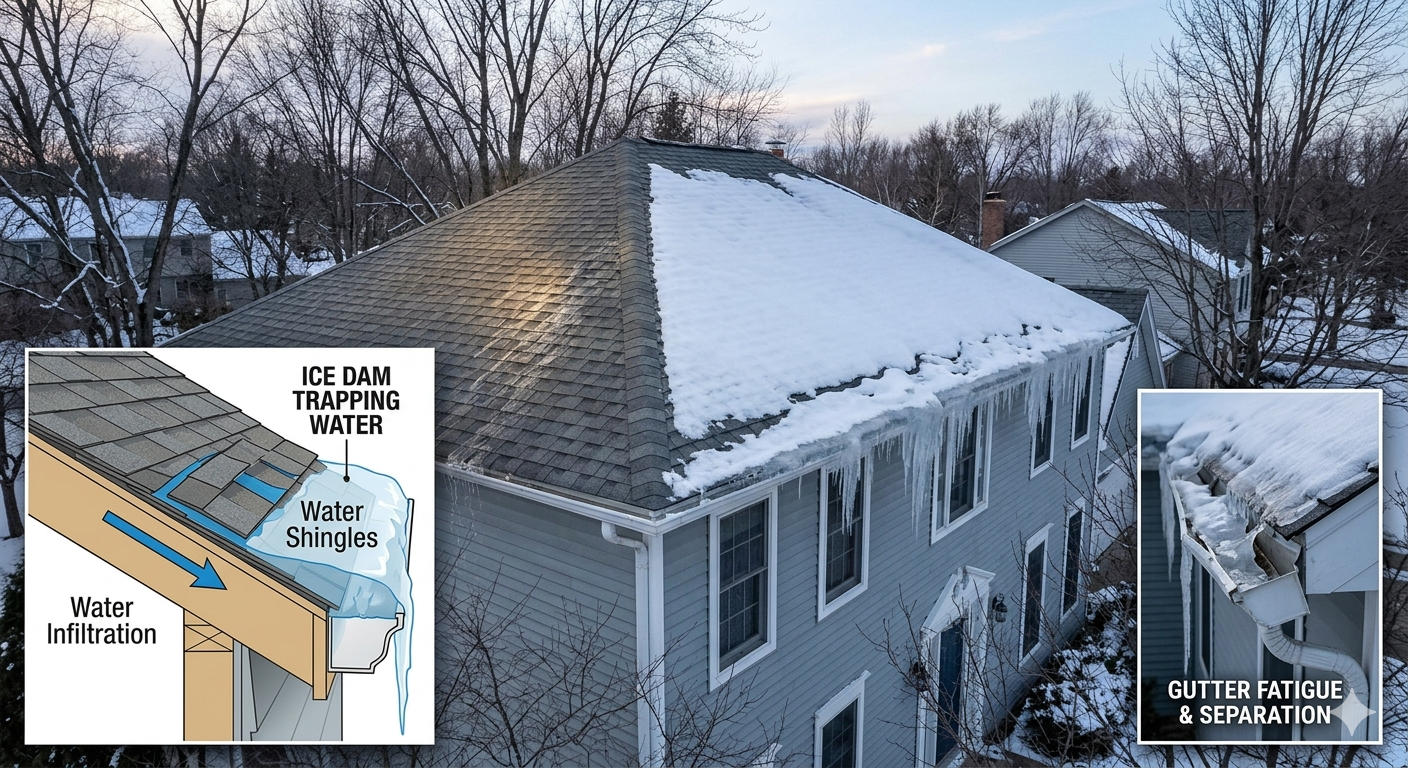
Living in the Great Lakes State means experiencing all four seasons—sometimes all in the same week. While we are used to the fluctuating temperatures, our homes often bear the brunt of these rapid shifts. One of the most significant threats to your property's longevity is the "freeze-thaw cycle." If you aren't proactive about maintenance, these temperature swings can lead to catastrophic failures. Seeking professional Roofing Services in Michigan is the first step in ensuring your roof is prepared to handle the volatile weather ahead.
What is the Freeze-Thaw Cycle?
The freeze-thaw cycle occurs when temperatures rise above freezing during the day, causing snow and ice to melt, and then drop below freezing at night, causing that water to refreeze. Because water expands by approximately 9% when it turns to ice, it exerts immense pressure on whatever material it is sitting in or on.
How the Cycle "Secretly" Destroys Your Roof
1. The Expansion Gap
When snow melts on your roof, the water trickles into tiny cracks in your shingles or under the flashing. When the sun goes down and the temperature drops, that water freezes and expands. This process acts like a slow-motion crowbar, widening small cracks into large gaps and loosening the nails that hold your shingles in place.
2. The Dreaded Ice Dam
Ice dams are the most common byproduct of the freeze-thaw cycle. Melted snow runs down to the colder eaves (the edges of your roof) and freezes, creating a literal dam of ice. This prevents subsequent meltwater from draining off the roof. The "trapped" water then backs up under your shingles, eventually leaking into your attic and walls, leading to mold and structural rot.
3. Shingle Granule Loss
The physical stress of constant expansion and contraction causes the protective granules on asphalt shingles to break away. These granules are your roof’s primary defense against UV rays. Once they are washed away into your gutters, your shingles become brittle and lose their ability to shed water effectively.
4. Gutter Fatigue
It isn't just the shingles at risk. When water freezes inside your gutters, the added weight and expansion can pull the gutters away from the fascia board. This creates gaps where water can pour directly down your siding or into your foundation.
How to Protect Your Home
You don't have to wait for a leak to realize there’s a problem. Here are three ways to mitigate the damage:
- Improve Attic Ventilation: Proper airflow keeps the roof temperature consistent, preventing the "hot spots" that cause rapid melting and subsequent ice dams.
- Insulate Your Attic Floor: Keeping heat inside your living space rather than letting it escape into the attic prevents the underside of the roof from warming up.
- Clear Your Gutters: Ensure water has a clear path to exit the roof so it doesn't have the chance to pool and freeze.
Conclusion: Don't Wait for the Drip
Michigan winters are relentless, and the transitions between seasons are even harder on your home’s exterior. The damage caused by the freeze-thaw cycle is often invisible until it results in a costly interior leak or structural failure. Regular inspections and timely repairs are the only way to stay ahead of the weather. By partnering with a trusted provider of Roofing Services in Michigan, you can ensure your roof remains a solid shield for your family, regardless of how many times the thermometer crosses the freezing mark this winter.













.webp)