Sign up with Google
 Sign in with Zoho
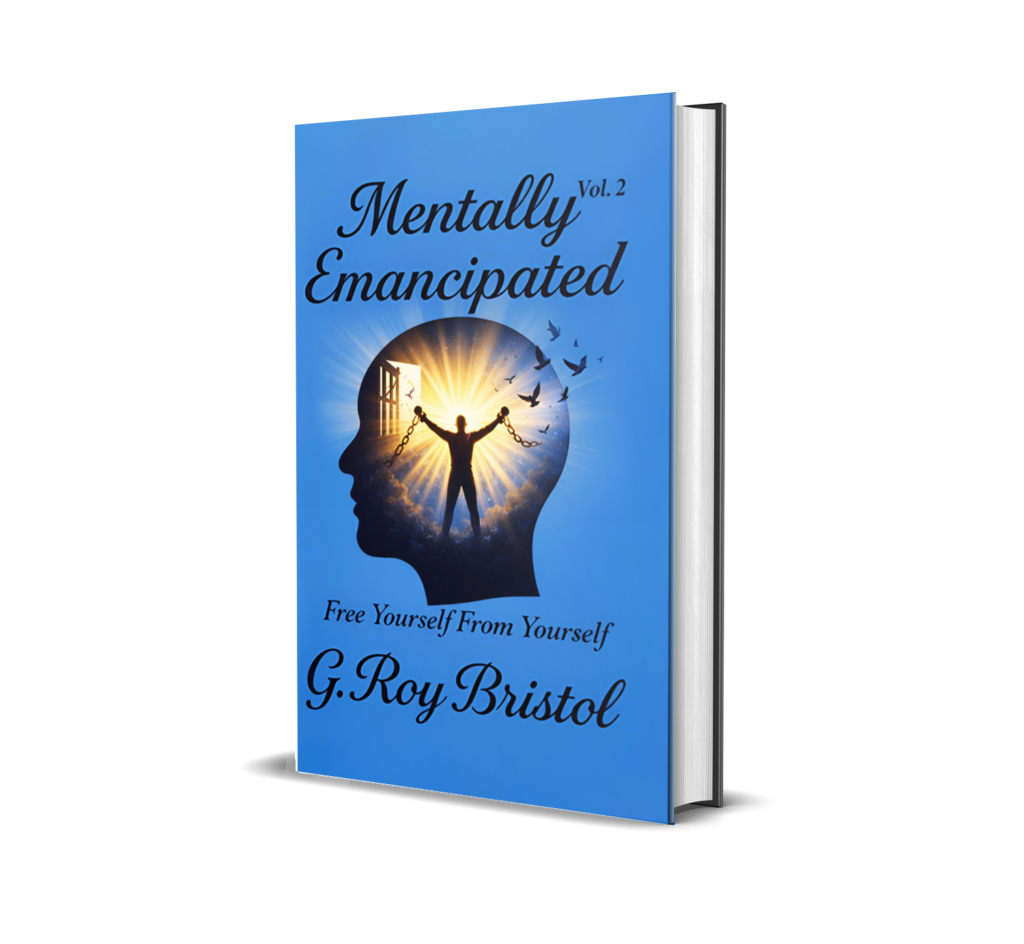
Most people wake up each morning believing they're making their own choices. They select their career path, form their opinions, and navigate life with a sense of autonomy. But what if that freedom is largely an illusion?
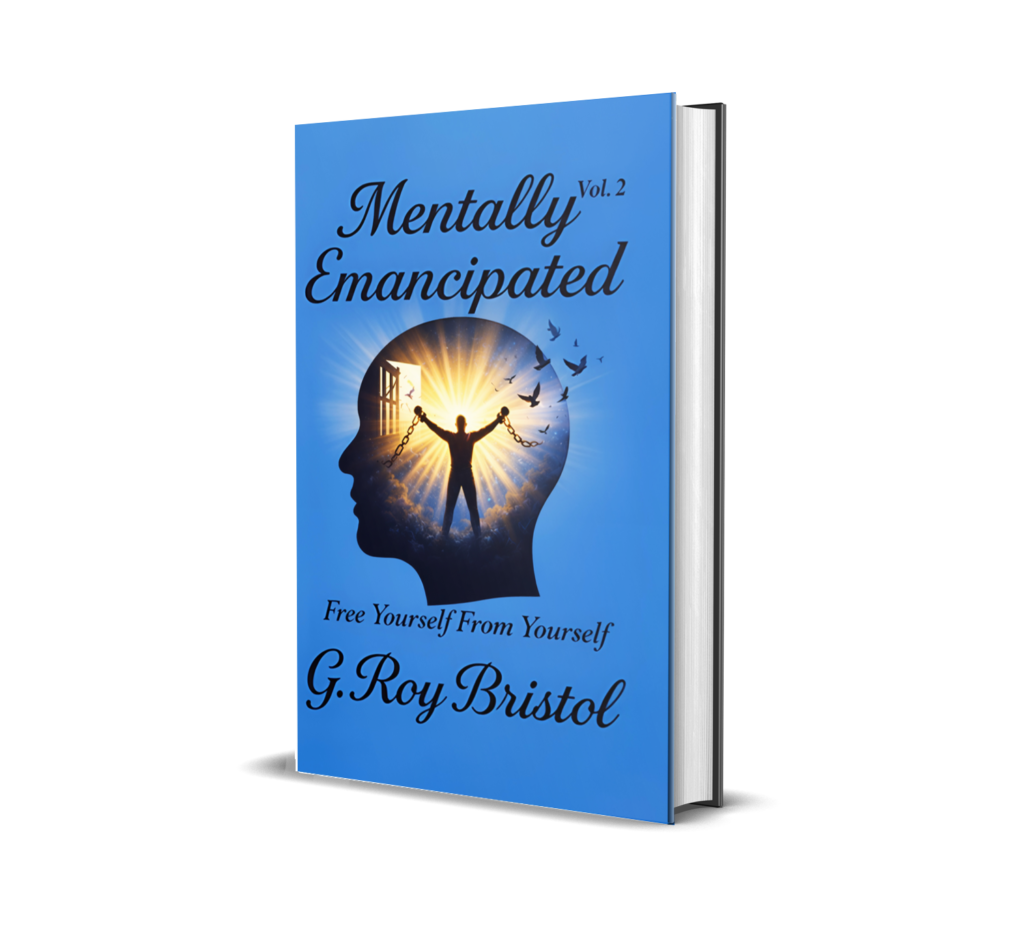
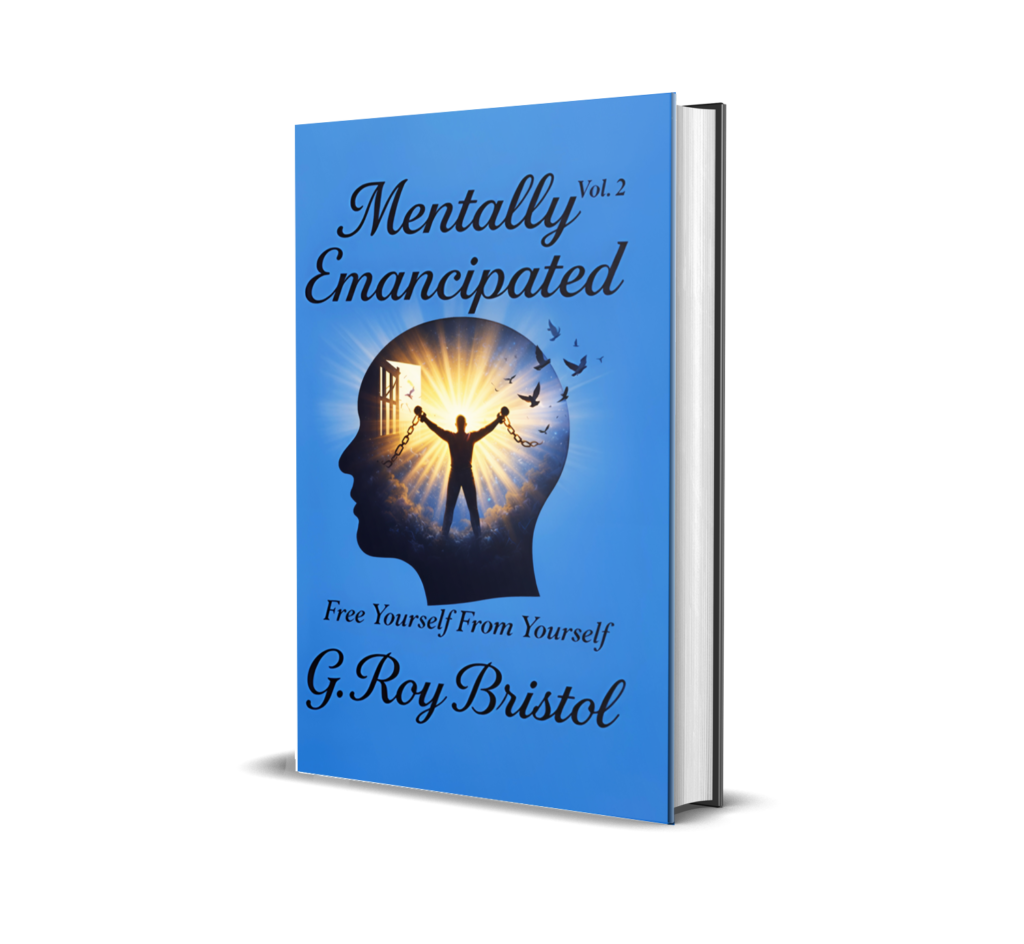
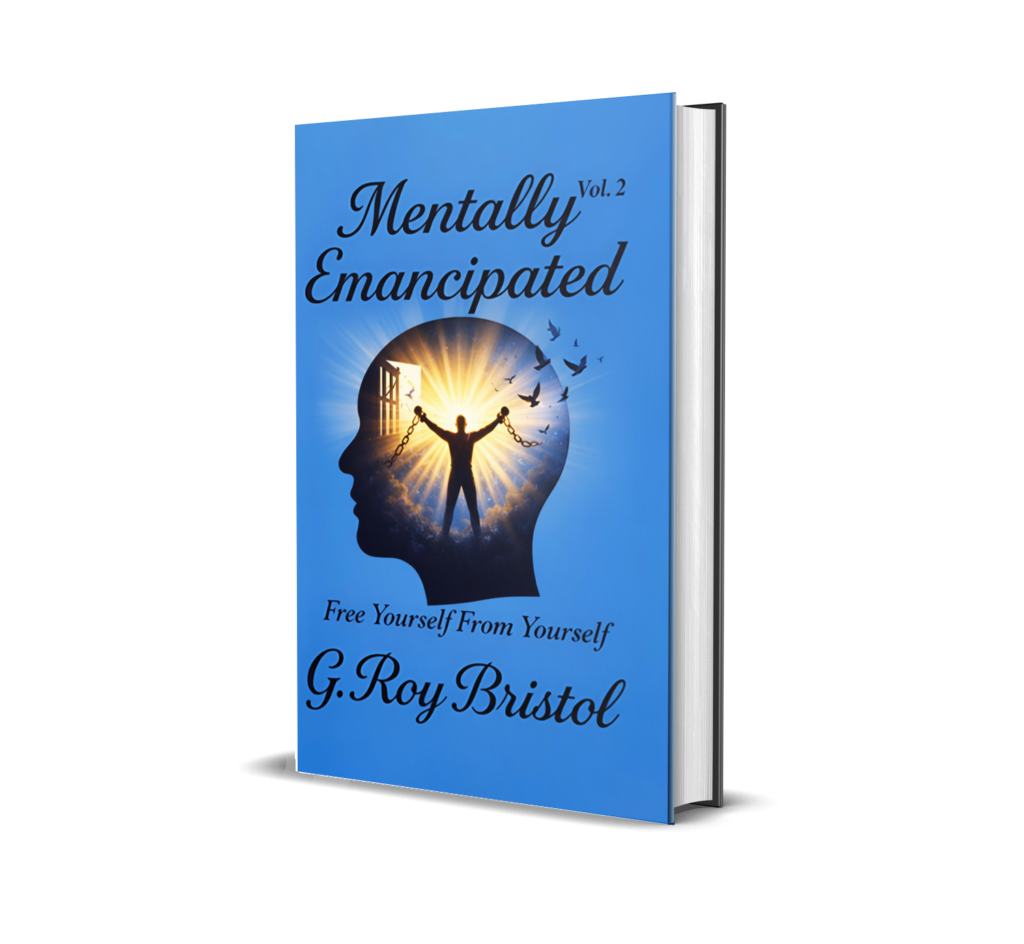
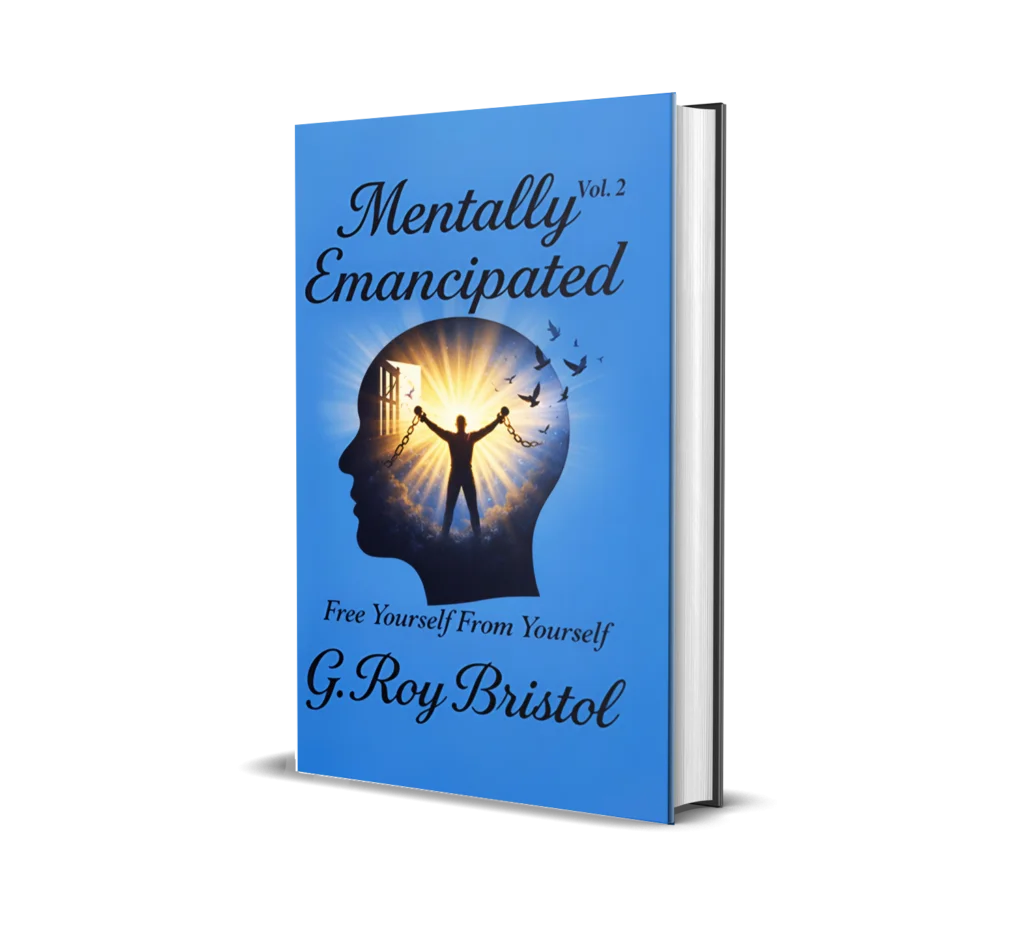
G. Roy Bristol's Mentally Incarcerated: The Insanity of Humanity challenges readers to examine something uncomfortable: the invisible mental boundaries that shape daily existence without permission. Drawing from twenty years of psychotherapy practice, Bristol presents a framework for understanding how psychological confinement operates beneath conscious awareness.
The Illusion That Feels Like Freedom
Freedom gets mistaken for choice. When someone can pick between multiple options different jobs, relationships, or belief systems they assume they're operating autonomously. Bristol argues this assumption misses a critical distinction: choice can exist within preset boundaries that were never questioned in the first place.
Think about how decisions actually get made. The options presented often come pre-filtered by cultural expectations, family conditioning, and social norms absorbed long before critical thinking developed. What feels like personal preference frequently reflects years of subtle programming about what's acceptable, desirable, or possible.
This creates an interesting paradox. People defend their choices passionately, viewing them as evidence of independent thought. Yet those same choices often mirror predictable patterns shared by millions of others who also believe they're thinking freely.
Where Mental Chains Actually Form
Bristol identifies several mechanisms that create psychological confinement without obvious coercion:
Inherited thought patterns form the foundation. From early childhood, individuals absorb frameworks for understanding reality what matters, what's dangerous, what's moral. These frameworks arrive before the capacity for critical evaluation exists. By adulthood, distinguishing between chosen beliefs and inherited assumptions becomes nearly impossible without deliberate examination.
Fear operates as a structural weapon. Not the dramatic terror of immediate danger, but the persistent, normalized anxiety about rejection, failure, or standing out. This fear doesn't announce itself loudly. It whispers that certain questions are dangerous, certain paths are irresponsible, certain thoughts are unacceptable. Over time, the mind learns where not to venture.
Conformity provides psychological relief. Aligning with group expectations reduces friction and creates belonging. The individual adjusts language, behavior, and belief subtly so subtly they rarely notice the shift. What began as accommodation eventually feels like authentic conviction.
The Guard Inside Your Own Mind
One of Bristol's most compelling insights involves the ego's role in maintaining mental confinement. The ego doesn't function as a prisoner but as a guard. Its primary job is preserving identity and coherence, which means resisting information that threatens established self-concept.
When core beliefs get challenged, emotional reactions arise immediately defensiveness, irritation, dismissal. These reactions feel like conviction, but they're actually protective reflexes. The ego prioritizes identity stability over accuracy of belief.
This creates a self-reinforcing system. Fear restricts exploration. Inherited beliefs provide structure. Conformity offers comfort. Ego ensures everything stays consistent. Self-deception explains why nothing needs to change.
Why Awareness Alone Doesn't Equal Freedom
Here's where Bristol's framework becomes particularly valuable: recognizing mental confinement doesn't automatically dissolve it. Many people reach awareness and stop there, believing insight alone constitutes liberation.
Awareness is cognitive. Freedom is behavioral.
Understanding why a reaction occurs doesn't prevent the reaction from happening. Knowing that fear influences decisions doesn't eliminate fear's presence. Recognizing inherited beliefs doesn't erase years of conditioning.
The gap between insight and action is where most people remain stuck. They see the pattern, understand the mechanism, and continue operating within the same constraints. Knowledge becomes ornamental rather than transformative.
What Actually Changes Mental Confinement
Bristol emphasizes that freedom requires ongoing practice, not a one-time realization. It demands staying present when discomfort arises, choosing deliberately when automatic reaction feels easier, and tolerating uncertainty without immediately reaching for explanation.
This practice reshapes life in subtle but significant ways. Conversations become more honest when the need to perform identity weakens. Relationships deepen or strain as awareness disrupts familiar patterns. Decisions align more closely with actual values rather than inherited expectations.
The process feels uncomfortable because it destabilizes what's familiar. Familiarity is the foundation of captivity. Freedom feels unfamiliar precisely because it hasn't become habitual yet.
The Responsibility That Comes With Seeing Clearly
Mentally Incarcerated doesn't offer comfortable reassurance or easy solutions. Bristol presents a framework that demands something more challenging: personal responsibility for one's own mental state.
Once patterns become visible, continuing them is no longer neutral. The individual must either act differently or rationalize why change isn't necessary. Many choose rationalization because it restores comfort without requiring disruption.
True freedom, according to Bristol, means accepting that awareness creates obligation. Seeing imposes responsibility. The prison door was never locked from the outside it simply required the courage to examine what keeps it closed.
For anyone sensing that something feels constrained about their thinking but can't quite identify what, Bristol's work provides both clarity and challenge. The chains were always psychological. The key was always awareness paired with action.