Sign up with Google
 Sign in with Zoho
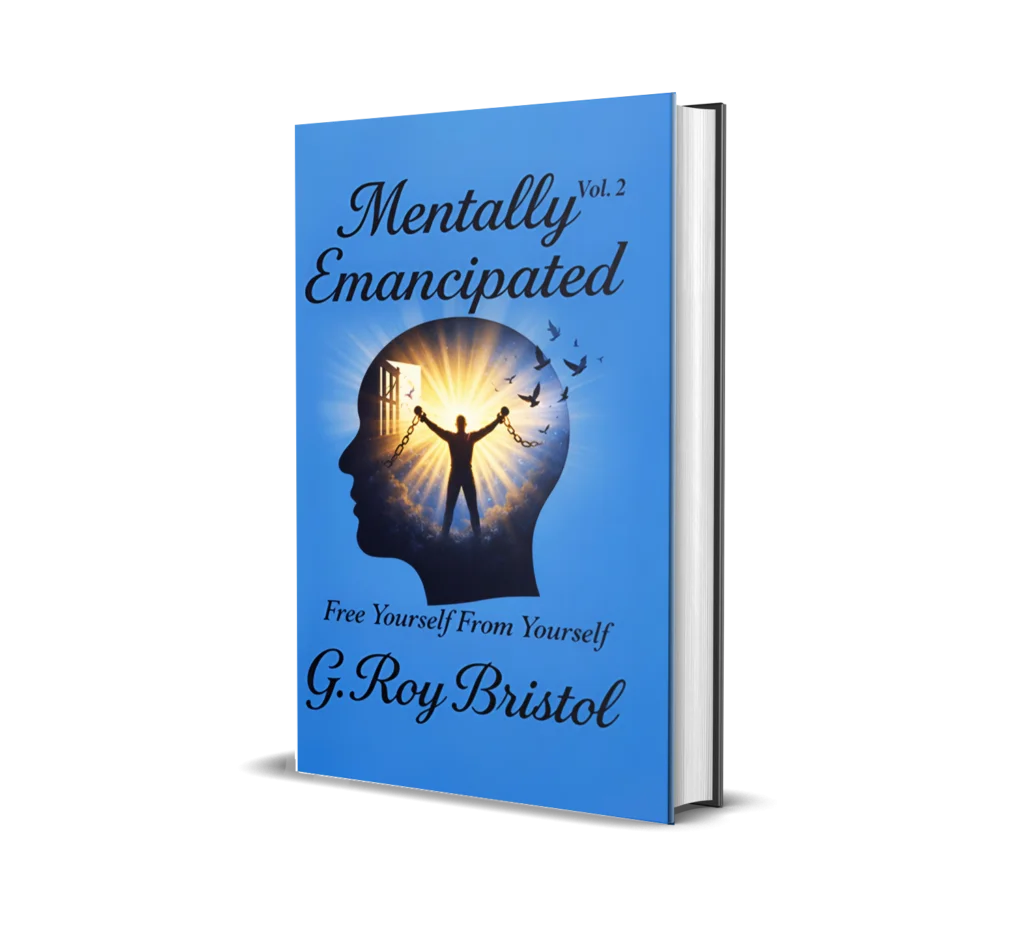
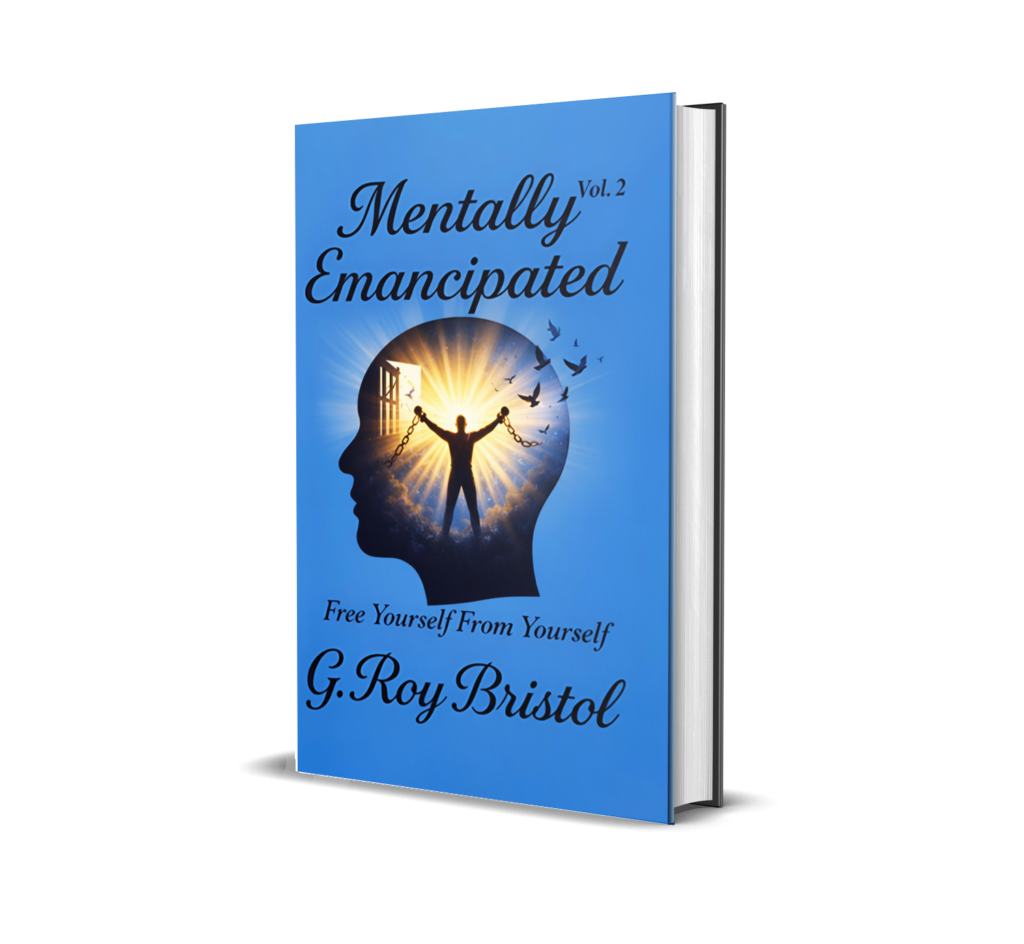
Most people wake up believing they're free. They choose what to wear, where to work, and what to think. But what if those choices aren't really theirs? What if humanity lives inside an invisible prison one built not with bars, but with beliefs?
G. Roy Bristol tackles this unsettling reality in Mentally Incarcerated: The Insanity of Humanity. Drawing from twenty years as a psychotherapist, Bristol challenges readers to examine something most never question: whether their thoughts genuinely belong to them or simply echo what society programmed them to believe.
When Freedom Becomes an Illusion
Bristol doesn't offer feel-good advice or quick fixes. Instead, he presents a mirror, and not everyone likes what they see.
The book opens with a provocative premise: the most effective prisons don't require walls. They operate through ideas, habits, and unexamined assumptions that feel so natural they become invisible. People can live productive, seemingly content lives while trapped inside mental boundaries they never chose to create.
Think about the last time someone questioned your deeply held belief. Did you feel defensive? Uncomfortable? That reaction itself might signal something worth exploring. Bristol suggests these emotional barriers protect mental captivity, not freedom.
The Architecture of Mental Confinement
Bristol methodically breaks down how mental incarceration works. From childhood, people absorb rules about acceptable thoughts and behaviors. Families, schools, and culture provide ready-made frameworks for understanding reality. These structures aren't necessarily malicious; they help societies function.
The problem emerges when guidance hardens into limitation. What starts as a helpful structure eventually becomes an invisible fence. People stop distinguishing between beliefs they genuinely chose and ideas they inherited. Over time, inherited thoughts feel like personal convictions.
One reader described experiencing this revelation: "I realized I'd been living someone else's blueprint for success. My goals, my daily routine, even my definition of happiness, none of it was actually mine."
This realization forms the core of Bristol's work. He explores how social approval rewards conformity while subtle consequences discourage deviation. No authority needs to enforce these boundaries because individuals enforce them internally. They become both prisoner and guard.
Beyond Awareness to Accountability
What separates Bristol's approach from typical self-help literature is his refusal to stop at awareness. Many books celebrate the "aha moment" as a transformation. Bristol sees it differently.
Recognizing a mental prison doesn't automatically open its doors. Awareness without action becomes another layer of defense, a way to feel enlightened without changing anything. Bristol challenges readers to move beyond intellectual understanding toward genuine responsibility.
This stance makes the book uncomfortable to read. Bristol doesn't coddle. He doesn't reassure. He examines how fear of being wrong, of isolation, of losing identity keeps people mentally confined even after they recognize their captivity.
The Paradox of Modern Life
Bristol explores a fascinating contradiction: society celebrates individuality while producing remarkable uniformity. People dress differently and express diverse opinions, yet share identical assumptions about success, happiness, and meaning.
This paradox creates what Bristol calls "performative dissent." People argue passionately about surface differences while leaving fundamental assumptions untouched. Energy gets expended without threatening underlying structures. Participants feel engaged while remaining confined.
The book examines how distraction sustains this illusion. Modern life offers endless stimulation, information, entertainment, and obligations. A busy mind rarely examines itself. When discomfort surfaces, activity quickly manages it. Silence feels unproductive.
What True Liberation Demands
Bristol's vision of freedom unsettles more than it comforts. True liberation isn't reaching some permanent state of enlightenment. It requires ongoing practice the ability to recognize constraints without surrendering agency to them.
Freedom demands awareness without denial, responsibility without reassurance, and willingness to exist without predefined answers. It often leads to solitude rather than popularity, restraint rather than indulgence. For this reason, many unconsciously avoid it.
Bristol writes from a place of earned authority. His two decades in psychotherapy exposed him to countless stories of people sensing something fundamentally wrong in their lives, yet unable to articulate what. They felt disconnected, reactive, busy yet purposeless. Most assumed personal failure rather than questioning their mental frameworks.
Who Should Read This Book
Mentally Incarcerated isn't for everyone. Readers seeking validation or easy solutions should look elsewhere. Bristol doesn't replace one belief system with another. He questions the necessity of unquestioned belief itself.
The book serves readers willing to sit with discomfort, challenge inherited assumptions, and examine quiet agreements made with their own minds. Those who experience vague dissatisfaction despite conventional success may find Bristol's analysis particularly resonant.
His writing assumes readers can handle difficult truths without hand-holding. This respect for reader intelligence makes the book feel like a conversation with a brutally honest mentor rather than the consumption of packaged wisdom.
The Uncomfortable Truth About Change
Bristol makes clear that reading about mental freedom differs vastly from practicing it. The book serves as a starting point, not a destination. Mental liberation requires sustained effort amid fear, uncertainty, and social pressure.
Readers won't find step-by-step instructions or guarantees of transformation. Instead, they'll encounter questions designed to expose comfortable lies people tell themselves. Bristol trusts readers to do the difficult work of self-examination without prescription.
This approach feels radical in an age of curated content and algorithmic comfort. Bristol refuses to optimize for engagement or likability. His priority remains clarity over comfort, truth over reassurance.
The Broader Conversation
Mentally Incarcerated enters an important cultural conversation about autonomy in an age of information overload and social conditioning. While others address symptoms such as anxiety, burnout, and disconnection, Bristol examines root causes.
He asks whether modern society's emphasis on choice and individuality masks deeper uniformity. His answer challenges popular narratives about progress and personal development.
The book also speaks to professionals in psychology, education, and leadership. Bristol's framework for understanding mental confinement offers a practical lens for recognizing how systems inadvertently constrain thinking while claiming to liberate it.
Final Thoughts
G. Roy Bristol's Mentally Incarcerated: The Insanity of Humanity doesn't promise easy answers or comfortable insights. It delivers something more valuable: a framework for examining invisible constraints that shape thought and behavior.
The book's power lies not in what Bristol tells readers to think, but in how he teaches them to question their thinking. He presents freedom not as a destination but as a practice that requires courage, discipline, and the willingness to live without the protection of certainty.
For readers tired of surface-level advice and ready to examine uncomfortable truths, Bristol offers a challenging but potentially transformative journey. The invisible cell's door stays open. The question remains whether people will recognize they've been inside one and whether they'll choose to step out.
Freedom, Bristol argues, isn't taken. It's assumed quietly, deliberately, and again and again.