Sign up with Google
 Sign in with Zoho


Anyone can build a list of potential channel partners.
Open a directory, pull a few hundred contacts, send outreach emails, and suddenly it looks like progress is happening. On paper, the numbers feel encouraging. In reality, most of those names never become productive relationships.
That is where many channel programs start losing momentum.
The issue usually is not a lack of partners. The market already has resellers, distributors, service providers, and strategic alliances everywhere. The challenge is finding businesses that genuinely fit your ecosystem instead of simply adding another logo to a spreadsheet.
Strong channel networks are rarely built on volume. They are built on compatibility.
Stop Searching Before Defining What “Qualified” Means
Many businesses jump directly into recruitment without deciding what an ideal partner actually looks like.
A company selling enterprise cybersecurity solutions will need a very different partner profile than a SaaS business targeting small retail brands. Geography matters. Customer type matters. Experience matters.
Before outreach begins, spend time defining the characteristics that actually matter:
- Industry specialization
- Target customer segment
- Regional coverage
- Sales maturity
- Technical expertise
- Existing solutions they already sell
Without this filter, recruitment becomes guesswork.
With it, the search becomes much narrower—and much smarter.
Industry Communities Often Reveal More Than Search Engines
The most valuable partner opportunities are not always sitting on the first page of Google results.
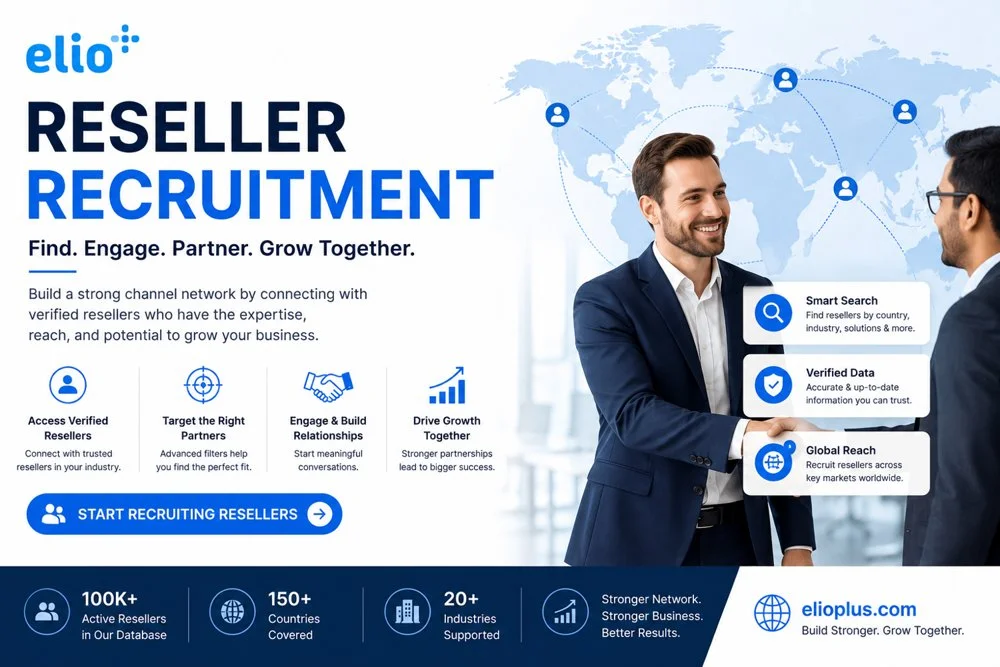
Industry communities, reseller networks, technology forums, partner marketplaces, and niche directories often reveal businesses already operating in the exact market you want to enter.
These sources help uncover:
- Managed service providers (MSPs)
- Value-added resellers (VARs)
- Regional distributors
- Specialized technology partners
Instead of casting a wide net, you begin searching where relevant conversations are already happening.
Study Existing Partner Ecosystems
There is useful information hiding in competitors' ecosystems.
Look at established companies in your industry and study the businesses surrounding them. Which resellers repeatedly appear? Which regions seem highly active? What type of companies are being selected?
This is less about copying competitors and more about understanding market behavior.
Patterns begin to appear quickly.
You may discover that successful partners in your space share similar customer profiles, service offerings, or technical strengths.
That insight makes recruitment more precise.
Large Networks Do Not Always Win
There is a common assumption that more partners automatically means more revenue.
Reality looks different.
A smaller ecosystem filled with active, engaged partners often outperforms a massive network where most participants never sell, promote, or invest effort.
The strongest partners usually have a few things in common:
- They understand your audience
- They see value in your solution
- Their goals align with yours
- They can actively support growth
A partner with real interest often creates more impact than twenty passive relationships.
Generic Outreach Is Easy to Ignore
Resellers receive partnership requests all the time.
Most of them look nearly identical.
"We think there may be an opportunity to collaborate..."
"Let's discuss potential synergies..."
Those messages disappear quickly.
Better outreach sounds like it came from someone who actually did the research.
Mention their market focus. Talk about customers they already serve. Explain why the partnership makes practical sense instead of speaking in generic sales language.
People respond faster when they feel seen rather than targeted.
Recruitment Gets Messy Faster Than Expected
In the beginning, managing partner recruitment on spreadsheets feels manageable.
Then conversations increase.
Follow-ups get missed. Onboarding status becomes unclear. Notes disappear. Suddenly nobody remembers where a partner sits in the process.
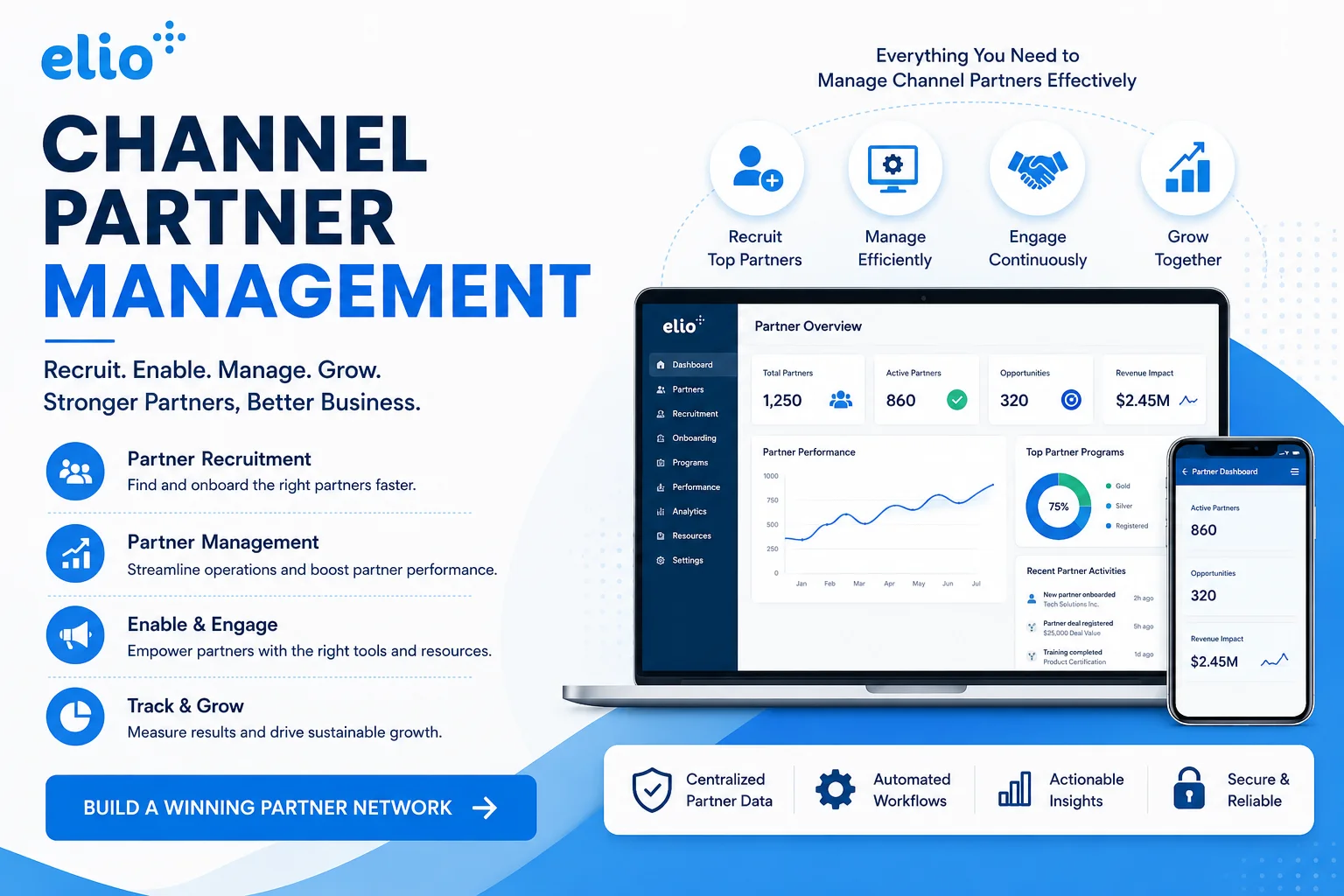
This is where channel management systems become useful—not because they replace relationships, but because they remove administrative chaos.
The goal is simple: spend less time organizing information and more time building partnerships.
Closing Thought
Finding channel partners is easy.
Finding the ones that actually create long-term growth takes more work.
The companies that succeed usually are not the ones sending the highest number of outreach emails. They are the ones asking better questions, researching more carefully, and choosing relationships with intention.
Because the best partner ecosystems rarely happen by accident.