 Sign up with Google
 Sign in with Zoho
The global economy moves at a relentless pace. In an era where "overnight delivery" is no longer a luxury but a standard expectation, the aviation industry serves as the primary engine for high-velocity trade. Air cargo represents a small percentage of global trade by weight, yet it account for more than 35% of the total value of goods moved internationally.
Understanding what flies in the belly of a passenger plane or the cavernous hold of a dedicated freighter is essential for businesses navigating modern supply chains. Whether it is a life-saving vaccine or the latest smartphone, the choice to use air transport is usually driven by the need for speed, security, and reliability. TerraLinkLogistics offers air cargo freight forwarding to help businesses navigate these complexities, ensuring that even the most sensitive shipments reach their destination with precision.
1. Defining Air Cargo: The Technical Landscape
To understand the types of goods moved by air, one must first understand the technical framework of the industry. According to Wikipedia, air cargo is defined as any property carried or to be carried in an aircraft, encompassing air freight, air express, and airmail. This definition excludes passenger baggage but includes everything from small envelopes to massive industrial machinery.
The industry generally divides cargo into two primary categories: General Cargo and Special Cargo.
General Cargo
General cargo consists of items that do not require extra precautions or specialized handling. These are typically "dry" goods that are robust enough to withstand standard loading procedures and atmospheric changes during flight. Examples include:
- Electronics: Laptops, tablets, and consumer gadgets.
- Textiles: High-end fashion, retail apparel, and fabrics.
- Hardware: Tools, machinery parts, and non-hazardous industrial components.
Special Cargo
Special cargo refers to goods that, due to their nature, weight, dimensions, or value, require specific conditions for transport. This might involve temperature-controlled environments, specialized packaging, or even unique security protocols. Because these items often have high profit margins or critical deadlines, they are the backbone of the air freight industry’s revenue.
2. High-Value and Time-Sensitive Shipments
One of the most significant advantages of air transport is the reduction of transit time. For certain industries, the cost of air freight is a minor consideration compared to the cost of a delay.
Pharmaceuticals and Healthcare
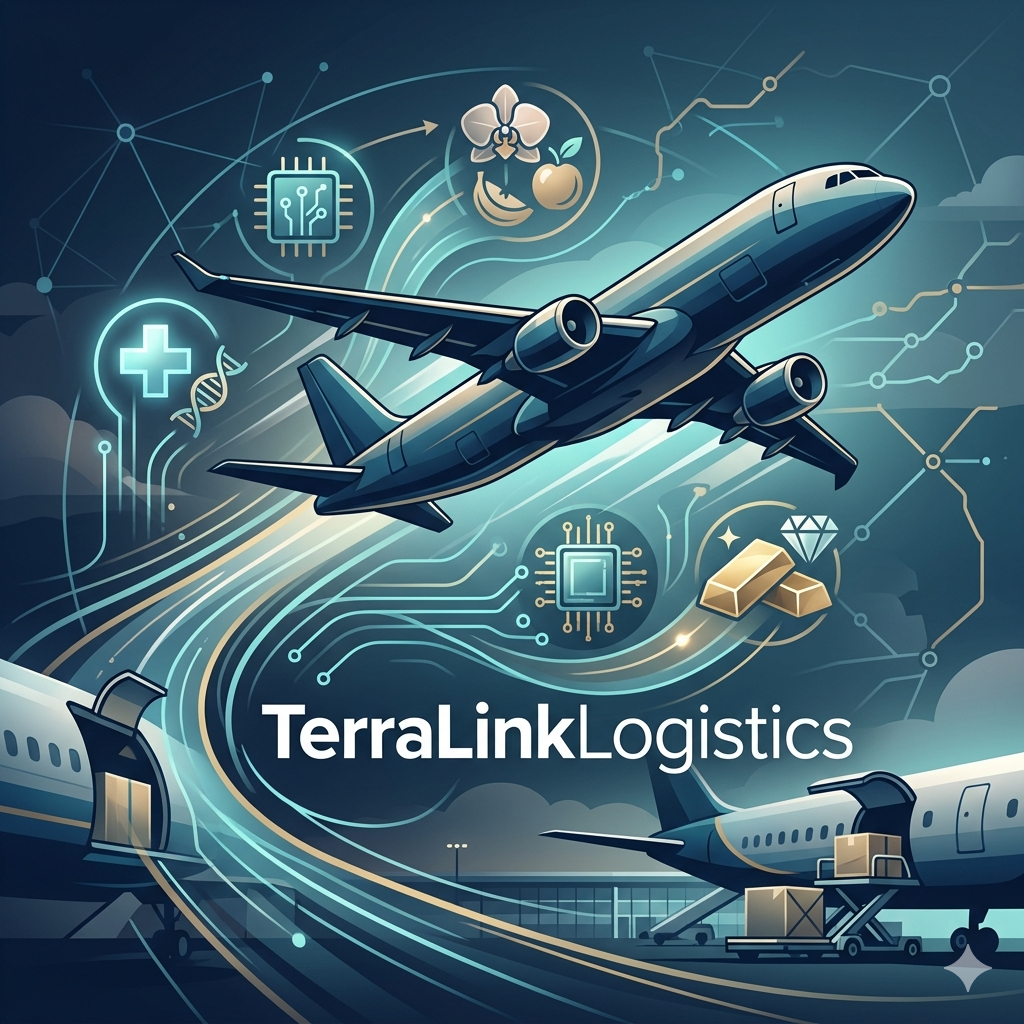
The pharmaceutical industry relies heavily on the "cold chain." Vaccines, blood samples, and certain medications must be kept within strict temperature ranges. If a shipment of insulin exceeds its thermal threshold, the entire batch could become useless. Recent data from Google News highlights that the demand for "biopharma" air transport has surged by over 10% in 2026, driven by advancements in personalized medicine and global health initiatives.
Perishable Goods
Food products like fresh Atlantic salmon, exotic fruits from Southeast Asia, and cut flowers from Colombia move across the globe in hours rather than weeks. To maintain freshness, these items are often transported in "reefer" (refrigerated) containers or packed with dry ice and thermal blankets.
High-Value Commodities
Gold, diamonds, luxury watches, and high-end artworks are frequently moved by air. The speed of flight reduces the "window of risk" for theft. Furthermore, the highly controlled environment of an airport, with its intense security and surveillance, provides a level of protection that sea or road transport simply cannot match.
3. Industrial and Emergency Cargo
Beyond consumer goods and medicine, air cargo plays a vital role in keeping the world's infrastructure functioning.
Aerospace and Automotive Parts
When a commercial aircraft is grounded due to a mechanical failure, it is referred to as "Aircraft on Ground" (AOG). Every hour the plane stays on the tarmac costs the airline thousands of dollars. In these cases, the replacement part is shipped via the fastest possible air route. Similarly, automotive manufacturers use air freight to prevent assembly line shutdowns when a specific component runs out.
Dangerous Goods (Hazmat)
Not all air cargo is "safe" in the traditional sense. Many everyday items are classified as dangerous goods, including:
- Lithium Batteries: Found in almost all modern electronics but prone to thermal runaway.
- Flammable Liquids: Certain perfumes, chemicals, and paints.
- Radioactive Materials: Used in medical imaging and industrial testing.
The transport of these goods is strictly regulated by the International Air Transport Association (IATA). Carriers must ensure specific labeling, specialized packaging, and strict separation of incompatible materials to ensure the safety of the aircraft and its crew.
4. The Future of Air Freight: Trends for 2026
The air cargo landscape is evolving. As noted in a recent analysis by Forbes, the industry is currently undergoing a massive digital transformation. Artificial intelligence is now being used to optimize "cargo build-up," which is the process of arranging various shipments into a Unit Load Device (ULD) to maximize space and ensure the aircraft's weight and balance are within safety limits.
E-commerce Dominance
The "Amazon effect" continues to push air cargo volumes to new heights. Cross-border e-commerce relies on air transport to fulfill promises of three-to-five-day international delivery. This has led to the rise of "preighters"—passenger aircraft with seats removed to make room for light, high-volume parcels.
Sustainability and SAF
Environmental concerns are also shaping what we fly and how we fly it. The industry is pivoting toward Sustainable Aviation Fuel (SAF) and more fuel-efficient freighter models. Shippers are increasingly looking for "green lanes" to reduce the carbon footprint of their supply chains without sacrificing the speed that air transport provides.
Conclusion: Navigating the Skies
The variety of cargo transported by air is a testament to human ingenuity and the interconnectedness of our global society. From the smallest microchip to the largest industrial turbine, air freight ensures that the world remains in constant motion. Whether you are dealing with general dry goods or complex, temperature-sensitive pharmaceuticals, the choice of a logistics partner is paramount.