Sign up with Google
 Sign in with Zoho
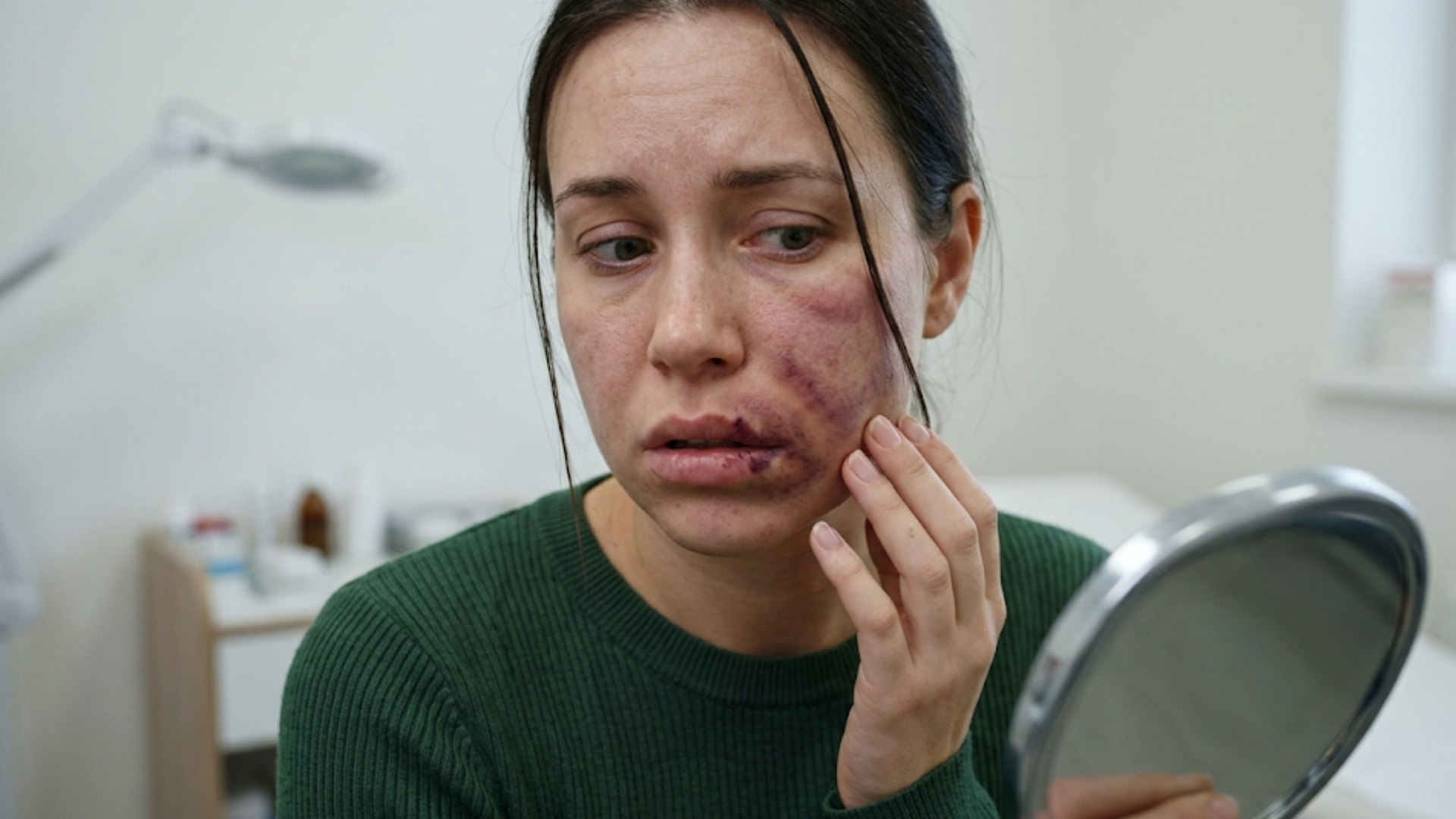
Aesthetic treatments are generally safe when performed correctly—but like any medical procedure, they’re not completely risk-free.
If something doesn’t feel right after a treatment, it’s often dismissed as “normal.” But here’s the truth:
Some aesthetic complications start subtly—and knowing what to look for early can make a significant difference.
So how do you know what’s normal… and what needs attention?
What Are Aesthetic Complications?
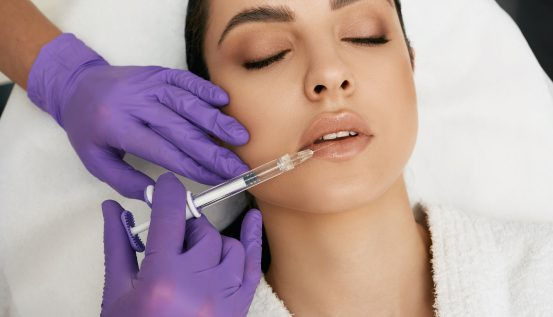
Aesthetic complications refer to unwanted or unexpected outcomes following cosmetic treatments. These can occur after procedures such as dermal fillers, anti wrinkle injections, or other non-surgical treatments.
They may be minor and temporary—or, in rare cases, require urgent medical attention.
Common examples include:
- Prolonged swelling or inflammation
- Uneven or asymmetrical results
- Lumps or nodules under the skin
- Skin discolouration
- Delayed healing
While many issues are mild, some require the expertise of an aesthetic complications expert to resolve safely.
Early Warning Signs You Shouldn’t Ignore
One of the biggest mistakes patients make is waiting too long.
Here are signs that shouldn’t be overlooked:
- Pain that increases rather than improves
- Skin turning pale, dusky, or discoloured
- Persistent swelling beyond expected recovery
- Unusual firmness or lumps in treated areas
- Changes in skin temperature
In clinical practice, early intervention almost always leads to better outcomes. Waiting, on the other hand, can make correction more complex.
Why Do Aesthetic Complications Happen?
There isn’t always a single cause. Most aesthetic complications happen due to a combination of factors.
1. Practitioner Technique
The skill and experience of the practitioner play a major role. Treatments performed by a qualified dermal filler specialist significantly reduce risks compared to untrained providers.
2. Product Selection
Using inappropriate or low-quality products can lead to poor results or reactions.
3. Individual Response
Every patient’s skin reacts differently. Factors like skin type, medical history, and healing ability all play a role.
4. Aftercare
Not following aftercare advice—such as avoiding pressure or excessive heat—can affect healing and increase complications.
Which Treatments Carry Higher Risk?
While complications can occur with any aesthetic procedure, they are more commonly associated with:
- Dermal fillers (especially in high-risk areas)
- Anti wrinkle treatments
- Lip injections
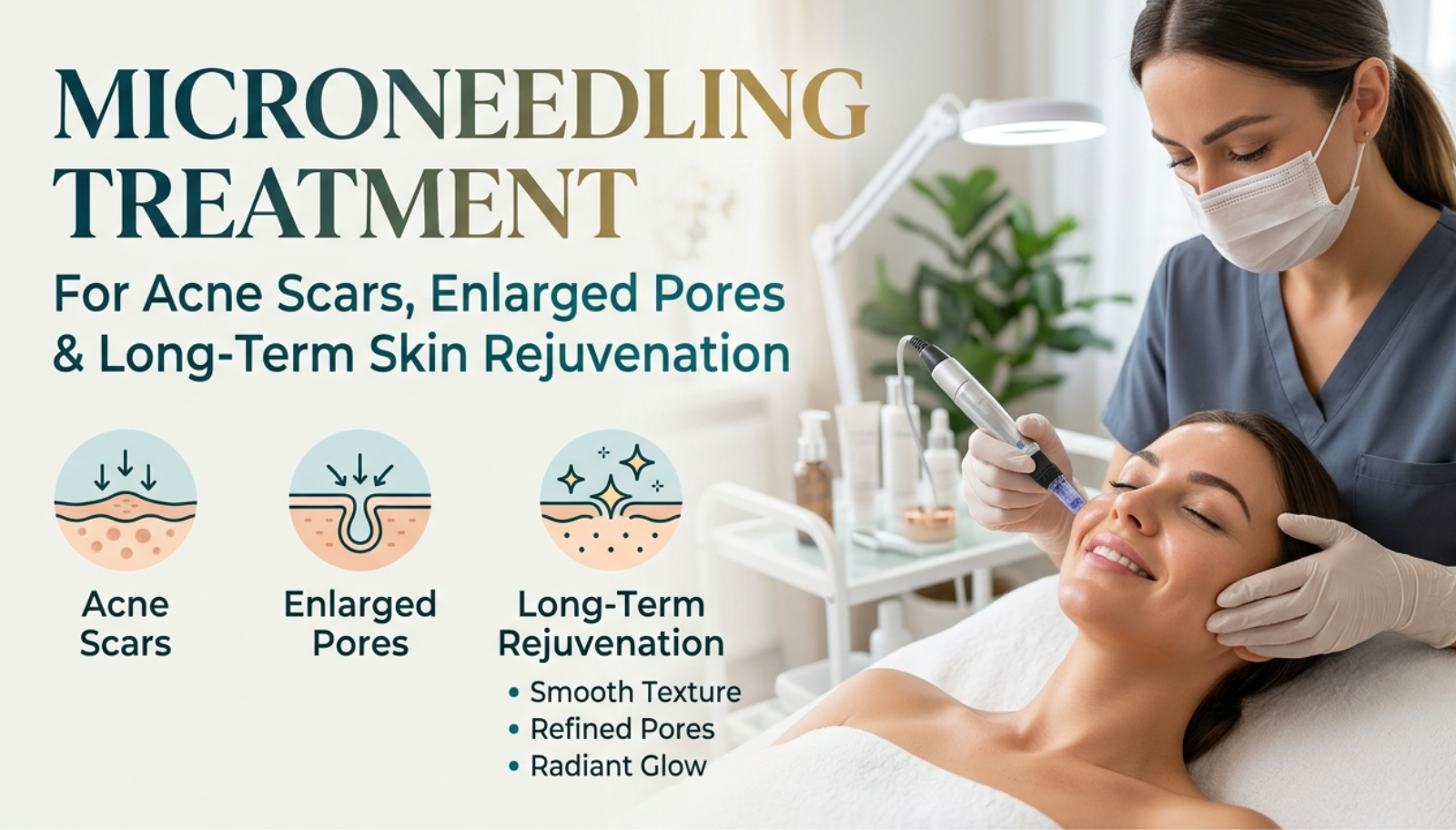
- Skin rejuvenation procedures
That said, when performed correctly in a medical setting, these treatments remain very safe.
When Should You See an Aesthetic Complications Expert?
This is where many people hesitate—and delay.
You should seek professional help if:
- Symptoms worsen after 24–48 hours
- Pain feels unusual or severe
- There are visible colour changes in the skin
- Results appear significantly uneven
An experienced aesthetic complications expert can assess the situation accurately and decide whether treatment is required.
In many cases, early correction is straightforward. Left untreated, the same issue may become more difficult to manage.
How Are Aesthetic Complications Treated?
Treatment depends on the type and severity of the complication.
Common approaches include:
- Dissolving fillers (if needed)
- Managing inflammation or infection
- Correcting asymmetry
- Supporting proper healing
In some cases, a combination of treatments is used to restore natural appearance.
The key is not just treatment—but timely treatment.
How to Reduce the Risk of Aesthetic Complications
Prevention is always better than correction.
Here’s what makes the biggest difference:
Choose the Right Practitioner
A medically qualified professional with experience in facial anatomy is essential.
Have a Proper Consultation
A thorough consultation helps identify risks, suitability, and realistic outcomes.
Follow Aftercare Properly
Simple steps like avoiding pressure, heat, or intense activity can reduce complications significantly.
Avoid Low-Cost, Unregulated Providers
Lower prices often come with higher risks. Safety should always come first.
Aesthetic Complications vs Normal Healing: Know the Difference
This is where most confusion happens.
Normal healing includes:
- Mild swelling
- Slight redness
- Temporary tenderness
Aesthetic complications, on the other hand, involve:
- Worsening symptoms
- Persistent discomfort
- Visible irregularities
If something feels off, it’s always better to get it checked.
Final Thoughts
Aesthetic complications are uncommon—but they do happen. What matters most is how quickly they are recognised and managed.
The difference between a minor issue and a serious concern often comes down to timing.
If you’ve recently had a treatment and something doesn’t feel right, don’t ignore it. A professional assessment from an aesthetic complications expert can provide clarity, reassurance, and the right treatment if needed.
FAQs
Are aesthetic complications common?
No, they are relatively uncommon when treatments are performed by qualified professionals.
Can aesthetic complications be corrected?
Yes, most complications can be managed effectively, especially when treated early.
How soon should I seek help?
If symptoms worsen or don’t improve within 24–48 hours, it’s best to consult an expert.
Are dermal fillers risky?
When performed by a qualified dermal filler specialist, risks are significantly reduced.
Can anti wrinkle treatments cause complications?
Complications are rare, but choosing experienced practitioners ensures safer outcomes.