
 Sign up with Google
 Sign in with Zoho

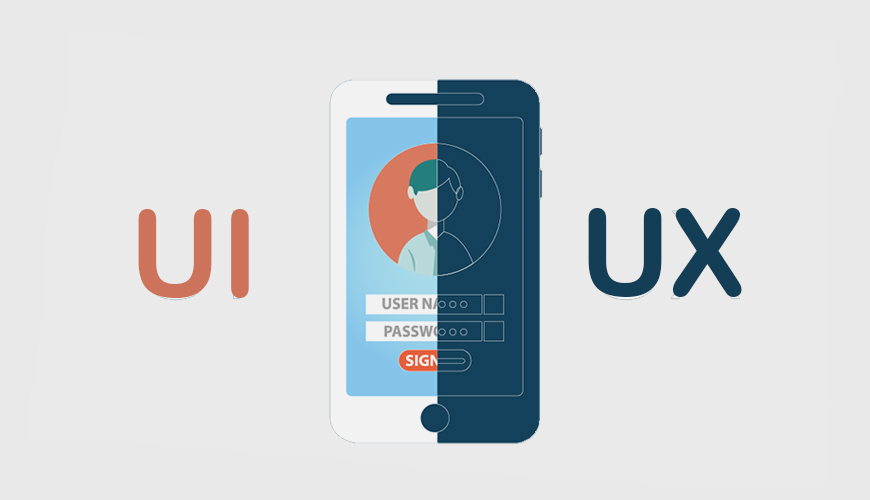
Users expect seamless experiences, intuitive interfaces, and meaningful interactions. This is where User-Centered Design (UCD) becomes essential, not just as a design philosophy, but as the foundation for building scalable and sustainable digital products.
What is User-Centered Design?
User-Centered Design is a design approach that places the end user at the heart of every decision. Instead of focusing solely on business goals or technical feasibility, UCD prioritizes user needs, behaviors, and pain points throughout the entire product lifecycle, from research and ideation to testing and iteration.
This approach ensures that products are not only functional but also usable, accessible, and enjoyable.
Why Scalability Depends on User-Centered Design
Scalability isn’t just about handling more users or data, it’s about maintaining quality experiences as your product grows. Without a strong user-centered foundation, scaling often leads to complexity, confusion, and user churn.
1. Reduces Friction Early On
When you deeply understand your users, you can identify potential issues before they become major problems. UCD emphasizes usability testing and feedback loops, helping teams eliminate friction points early.
This proactive approach prevents costly redesigns later and ensures smoother scaling as user numbers grow.
2. Builds Products Users Actually Need
Many digital products fail because they solve the wrong problems. User-Centered Design mitigates this risk by grounding decisions in real user insights rather than assumptions.
By aligning product features with actual user needs, businesses can scale confidently, knowing their offering has real market demand.
3. Enhances User Retention and Loyalty
Scalable products aren’t just about acquisition, they’re about retention. A product that is easy to use and delivers value consistently will naturally retain users.
UCD focuses on improving user satisfaction, which directly impacts engagement, loyalty, and lifetime value.
4. Supports Continuous Improvement
Scalable products evolve constantly. UCD promotes iterative design, where feedback is continuously gathered and applied.
This creates a cycle of improvement that allows products to adapt to changing user expectations without losing usability.
The Core Principles of User-Centered Design
To fully leverage UCD for scalability, it’s important to understand its core principles:
Empathy-Driven Research
Understanding your users is the first step. This includes user interviews, surveys, behavioral analysis, and usability testing.
The goal is to uncover not just what users do, but why they do it.
Iterative Design Process
UCD is not a one-time effort. It involves continuous prototyping, testing, and refining.
Each iteration brings the product closer to optimal usability and performance.
Accessibility and Inclusivity
A scalable product must cater to a diverse audience. UCD ensures that products are accessible to users with different abilities, devices, and contexts.
Data-Informed Decisions
User feedback combined with analytics provides actionable insights. This helps teams make informed decisions that improve both user experience and business outcomes.
Business Benefits of User-Centered Design
Beyond improving usability, UCD offers significant business advantages:
- Lower Development Costs: Identifying issues early reduces expensive fixes later.
- Faster Time-to-Market: Clear user insights streamline decision-making.
- Higher Conversion Rates: Better experiences lead to more successful user actions.
- Stronger Brand Reputation: Users associate seamless experiences with trust and reliability.
UCD and Product Scalability: A Strategic Connection
Scalability often introduces complexity, more features, more users, and more edge cases. Without a user-centered approach, this complexity can overwhelm users.
UCD acts as a guiding framework, ensuring that every new feature or update aligns with user expectations. It keeps the product intuitive, even as it grows.
For example, a well-designed onboarding experience can handle thousands of new users without requiring additional support resources. Similarly, a clear navigation structure can accommodate new features without confusing existing users.
Integrating UCD into Your Workflow
To make User-Centered Design the backbone of your product, consider the following steps:
1. Start with User Research
Before building anything, invest time in understanding your target audience. Create user personas and map their journeys.
2. Prototype Early and Often
Use wireframes and prototypes to test ideas quickly. This reduces risk and allows for rapid feedback.
3. Conduct Usability Testing
Regular testing ensures that your design decisions align with user expectations.
4. Collaborate Across Teams
UCD is not just for designers. Product managers, developers, and marketers should all contribute to understanding and improving the user experience.
5. Measure and Optimize
Track user behavior and performance metrics. Use this data to continuously refine your product.
The Role of Design Expertise
While UCD principles can be adopted by any team, implementing them effectively often requires specialized expertise. Partnering with a ux ui design agency can help businesses translate user insights into scalable, high-performing digital experiences.
Such collaboration ensures that design decisions are both user-focused and aligned with long-term business goals.
Common Mistakes to Avoid
Even with the best intentions, teams can fall into common pitfalls:
- Skipping Research: Assumptions are not a substitute for real user data.
- Overloading Features: More features don’t always mean better experiences.
- Ignoring Feedback: User feedback is only valuable if acted upon.
- Designing for Trends, Not Users: Trends fade, but usability remains essential.
Avoiding these mistakes helps maintain a strong user-centered foundation as your product scales.
Future-Proofing Your Product with UCD
As technology evolves, user expectations will continue to rise. Products that fail to adapt will quickly become obsolete.
User-Centered Design provides a future-proof framework by keeping the focus on what truly matters, the user. It ensures that no matter how your product evolves, it remains relevant, usable, and valuable.
Conclusion
User-Centered Design is not just a design methodology, it’s a strategic advantage. It empowers businesses to create digital products that are not only scalable but also meaningful and impactful.
By prioritizing user needs, embracing iteration, and leveraging data-driven insights, organizations can build products that grow seamlessly while maintaining exceptional user experiences.
In a world where user expectations are constantly increasing, UCD isn’t optional, it’s the backbone of scalable digital success.