Sign up with Google
 Sign in with Zoho
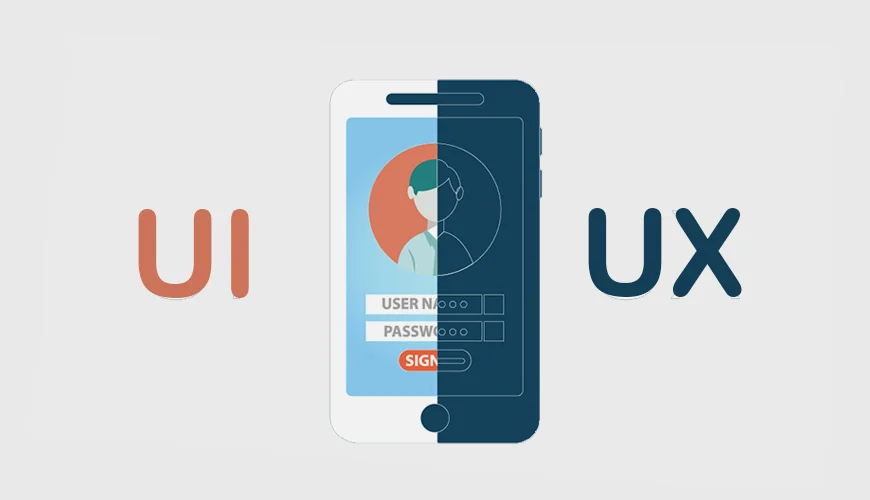

It demands a deep understanding of users, their needs, behaviors, and expectations. This is where a UX-first approach becomes essential. By prioritizing user experience (UX) from the very beginning, businesses can build Minimum Viable Products (MVPs) that are not only functional but also meaningful, usable, and scalable.
Why UX Should Come Before Development
Traditionally, product development often started with technical feasibility or business requirements. However, this approach can lead to products that miss the mark in terms of usability and user satisfaction. A UX-first strategy flips this process by placing users at the center of decision-making.
When UX is prioritized early:
- You reduce costly redesigns later
- You validate ideas faster with real users
- You increase user adoption and retention
- You create a strong foundation for scaling
An MVP built without UX consideration may work, but it rarely succeeds in the long term. A UX-driven MVP, on the other hand, focuses on solving real problems efficiently.
Step 1: Validate the Idea with User Research
Every great product starts with a problem worth solving. Before jumping into design or development, conduct thorough user research. This includes:
- User interviews
- Surveys
- Competitor analysis
- Market research
The goal is to identify pain points and understand user motivations. Instead of assuming what users want, gather insights directly from them. This reduces guesswork and ensures your MVP is built on real needs.
Step 2: Define User Personas and Journeys
Once you have research data, translate it into actionable insights through user personas and journey maps.
User personas represent your ideal users, including their goals, frustrations, and behaviors.User journeys outline how users interact with your product from start to finish.
This step helps align your team around a shared understanding of the user. It also ensures that every feature in your MVP serves a clear purpose.
Step 3: Prioritize Features for MVP
One of the biggest mistakes startups make is trying to build too much too soon. An MVP should focus only on core functionalities that solve the primary problem.
Use frameworks like:
- MoSCoW (Must-have, Should-have, Could-have, Won’t-have)
- Value vs. Effort matrix
By prioritizing features through a UX lens, you ensure that the most impactful elements are delivered first. This approach also helps in faster time-to-market.
Step 4: Wireframing and Prototyping
Before writing a single line of code, create wireframes and prototypes. These are low-cost, high-impact tools that allow you to visualize your product.
- Wireframes focus on structure and layout
- Prototypes simulate interactions and user flows
Testing prototypes with real users can uncover usability issues early. This iterative process helps refine the experience before development begins.
Step 5: Usability Testing and Feedback Loops
Usability testing is a critical component of a UX-first MVP. Even simple tests with a small group of users can reveal valuable insights.
Key methods include:
- A/B testing
- Remote usability testing
- Heatmaps and session recordings
The goal is continuous improvement. Gather feedback, analyze behavior, and iterate quickly. A successful MVP is not perfect, it evolves based on user input.
Step 6: Agile Development with UX Integration
Development should not be isolated from UX. Instead, both should work hand-in-hand through agile methodologies.
- Designers and developers collaborate closely
- UX feedback is incorporated into each sprint
- Iterations are driven by user insights
This ensures that the final product remains aligned with user expectations throughout the development cycle.
Step 7: Measure Success with UX Metrics
After launching your MVP, tracking performance is crucial. UX metrics provide insights into how users interact with your product.
Important metrics include:
- Task success rate
- Time on task
- User satisfaction (CSAT, NPS)
- Drop-off rates
These metrics help identify areas for improvement and guide future iterations.
The Business Impact of UX-First MVPs
A UX-first approach is not just about design, it’s a business strategy. Companies that invest in UX see:
- Higher conversion rates
- Lower customer acquisition costs
- Increased customer loyalty
- Stronger brand perception
By focusing on user needs, businesses can build products that resonate deeply with their audience.
For startups and enterprises looking to accelerate their product journey, partnering with the best ux ui design agency in India can provide the expertise needed to implement a UX-first strategy effectively.
Common Pitfalls to Avoid
Even with the best intentions, teams can fall into common traps:
- Skipping user research
- Overloading the MVP with features
- Ignoring feedback
- Treating UX as a one-time activity
Avoiding these pitfalls requires a mindset shift, UX is not a phase, but a continuous process.
Conclusion
Building a successful digital product is not about launching quickly, it’s about launching smart. A UX-first approach ensures that your MVP is grounded in real user needs, validated through research, and refined through continuous feedback.
From idea validation to post-launch optimization, every step should prioritize the user experience. This not only reduces risks but also increases the chances of long-term success.
In a competitive digital ecosystem, the products that win are the ones that truly understand their users. By embracing UX from the start, you’re not just building a product, you’re creating an experience that users value and trust.