 Sign up with Google
 Sign in with Zoho

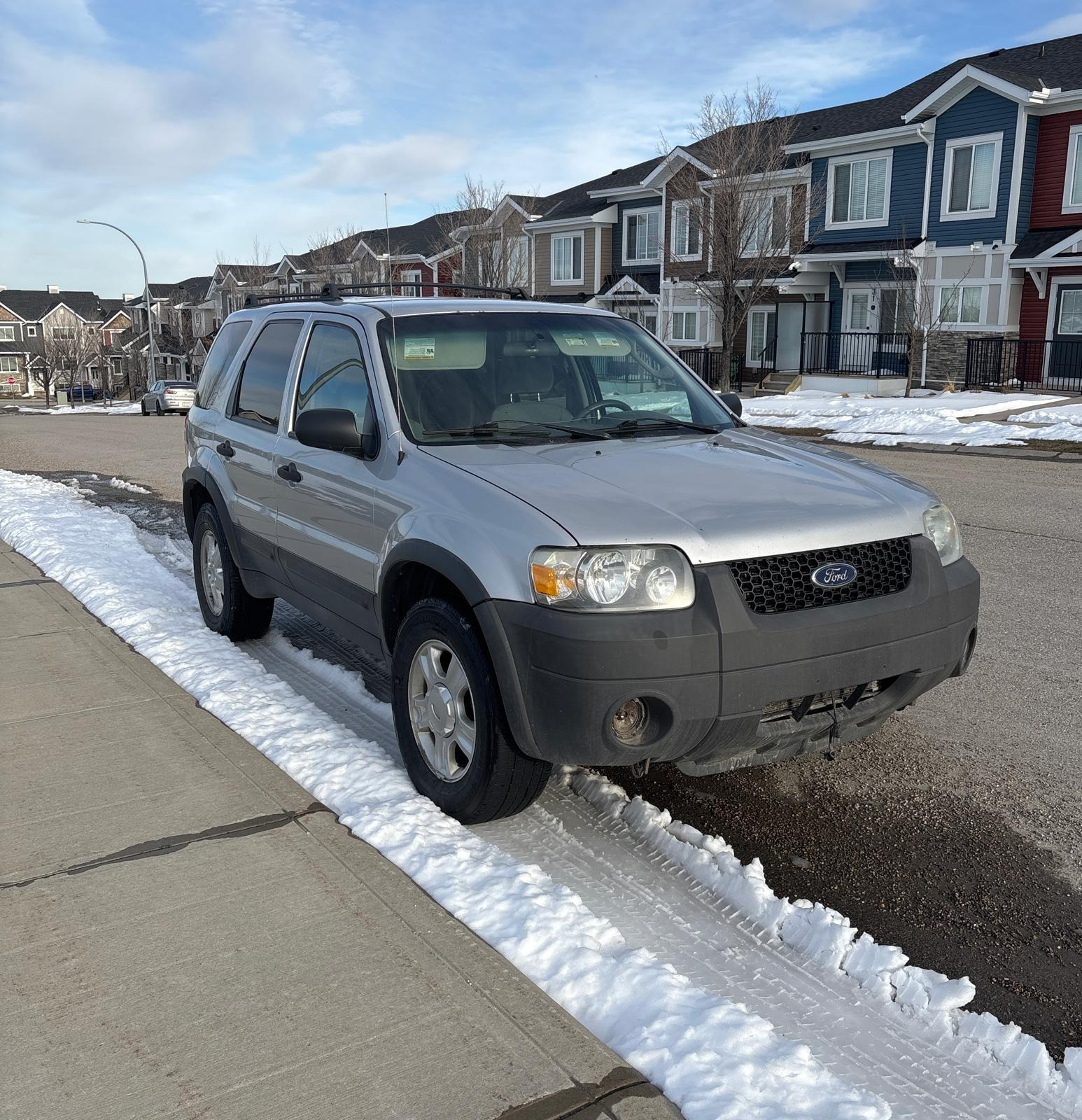
Your truck disappeared from the driveway on a Tuesday night. By the following Monday, Calgary Police call to say it's been found in an industrial lot near 32nd Street SE, mostly intact, keys in the ignition. Relief, obviously. But what nobody tells you in that phone call is what happens next, financially. A recovered vehicle isn't the same asset it was the day before it got taken. The history is permanent, the resale market reacts to it, and the rules around what you have to disclose when you eventually sell are stricter than most owners realize. Whether you plan to keep driving it for years or are already eyeing a quick exit through a cash for cars Calgary buyer, knowing what you're holding matters.
What Actually Happens After Recovery
Calgary's auto theft numbers have stayed uncomfortably high through the 2020s. Trucks, certain SUVs, and any keyless-entry vehicle parked outside overnight are the preferred targets. The good news is recovery rates are also high. The complicated news is the timing decides what shape you're in.
Two main scenarios:
· Recovered before insurance pays out. Most Alberta insurers wait 30 days after the theft is reported before settling. If the vehicle turns up in that window, it's still yours. You file a damage claim for whatever happened to it during the theft and move on. The vehicle keeps its original status brand, but the theft event is now permanently flagged in claims history.
· Recovered after the insurer has paid out. The insurer technically owns it now. From there, the vehicle either gets repaired and resold (often through salvage auctions), assigned a salvage brand, or in some cases offered back to you for a buyback amount. If you take the buyback, you're now holding a vehicle with a salvage or rebuilt brand depending on how the paperwork landed.
Either path leaves a footprint. The footprint follows the VIN.
The Damage That Happens While It's Gone
Even a "fully recovered, no major damage" vehicle has usually had a hard week. Steering columns get peeled. Ignitions get punched. Door locks are forced. Tires get burned out. The catalytic converter is sometimes gone before the truck is even abandoned, because cutting it off takes ninety seconds and pays cash same day in the wrong neighbourhood.
Less obvious stuff matters more for resale. Aftermarket programmers may have been added and removed, leaving fault codes. Anti-theft modules sometimes get bypassed in ways that mess with future starts. ECU resets erase service records the next mechanic relies on. And there's the cabin contamination — fast food, cigarette burns, blood occasionally, and an interior smell that no detail can fully kill.
Insurance covers most repairs if you file. What it doesn't cover is the diminished value the vehicle now carries every time you try to sell it.
The CARFAX Problem Sellers Underestimate
Theft incidents land on CARFAX Canada vehicle history reports through both insurance claim data and police records integration. When a private buyer pulls a report, they don't see "minor theft, fully recovered, all good." They see "theft event reported, claim filed, recovered." That's it. The buyer has no easy way to verify how minor or major the actual damage was, so they assume the worst. Most walk.
Even when the report shows a clean recovery, savvy buyers ask questions you don't want to answer in a Kijiji message thread. Did the engine run while it was missing? How many kilometres got added? Was the vehicle GPS-tracked through the recovery? These are reasonable questions and most private sellers don't have clean answers.
Alberta's Disclosure Rules Are Stricter Than People Think
Under Alberta's Fair Trading Act and consumer protection regulations, sellers — including private individuals in many circumstances — are required to disclose known material defects and history that would affect the buyer's decision. A theft recovery is generally a material fact. Hiding it on the bill of sale exposes you to civil liability if the buyer discovers it later, and they will, because CARFAX is a $40 click for any serious shopper.
For licensed dealers, AMVIC enforcement adds another layer. Failing to disclose theft history on a vehicle the dealer knew about can mean penalties on top of consumer remedies. The practical translation for everyone: write it into the ad. Write it into the bill of sale. "Recovered theft, repaired, full receipts available" attracts honest buyers and protects you legally. "Clean and pristine" on a flagged vehicle is a lawsuit you've signed up for.
What Recovery Actually Does to Resale Value
Honest numbers, based on Alberta dealer feedback and private market patterns:
A theft-recovered vehicle with no significant damage typically sells for 10 to 20 percent less than an identical clean-history version. The reduction is buyer psychology more than mechanical reality. People assume risk that may not exist, and they discount accordingly.
A theft-recovered vehicle that took meaningful damage and was repaired sells for 20 to 35 percent less. Even with all the repair receipts and a clean inspection, the CARFAX flag combined with visible signs of repair work tank private market interest.
A theft-recovered vehicle that picked up a salvage or rebuilt brand on top of the recovery flag is in a different market entirely — typically 40 to 60 percent off equivalent clean value, sold mostly to rebuilders, mechanics, and parts buyers.
The pattern across all three: the longer it sits on the market, the lower the offers get.
The Buyer Concerns Nobody Talks About Out Loud
Two quiet worries shape what people are willing to pay for a recovered vehicle. First, retargeting. Some buyers genuinely believe a vehicle that's been stolen once is more likely to get stolen again. There's no strong data backing this up at the individual level, but the perception affects offers. Second, hidden tracking. Buyers worry that whoever stole it might have left something behind — a duplicate fob, a tracking device, even just knowledge of the vehicle's habits. It sounds paranoid until you're the one writing a $20,000 cheque.
Sellers can address some of this by having all locks rekeyed, fobs reprogrammed, and providing documentation. Most don't. That's part of the discount.
When Selling Outright Makes Sense
Some recovery situations don't justify the long path through private market scepticism. If the vehicle came back damaged, if you're staring at thousands in pre-sale repairs to make it presentable, or if the time and stress of explaining the history to ten different tire-kickers isn't worth the marginal dollars, a same-day sale is often the cleaner exit. A reputable cash for junk cars Calgary buyer factors theft history into the offer based on actual mechanical condition rather than buyer psychology, which often nets more than the realistic private sale price after weeks of haggling. They also handle the paperwork without flinching at the CARFAX flag, because they see it routinely.
The Bottom Line
A recovered vehicle is yours again, but it's not the same vehicle on paper. Know exactly what brand and history it now carries. Disclose honestly when you sell. Get the rekey work done before listing. And run the math on private sale versus a direct offer with both numbers in front of you, because the right answer depends entirely on how much damage it took, how much patience you've got, and how much the discount is going to chew through your sale price either way.