Sign up with Google
 Sign in with Zoho

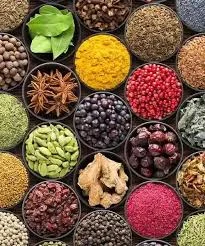
Nestled among the mist-covered mountains of the Western Ghats, Idukki is one of Kerala’s most beautiful and naturally rich districts. Known for its lush green landscapes, cool climate, winding hills, and abundant plantations, Idukki is also celebrated as one of the important spice-growing regions of Kerala. The fragrance of cardamom, pepper, cinnamon, cloves, and other spices is deeply woven into the land, culture, and livelihoods of its people.
A Land Blessed by Nature
Idukki’s high ranges provide an ideal environment for growing spices. The region’s fertile soil, generous rainfall, cool temperatures, and mountain terrain create favourable conditions for spice cultivation. As you travel through the hills, vast stretches of plantations can be seen covering the slopes, giving the landscape a distinctive green charm.
Among the many spices grown here, cardamom and black pepper hold a special place. Cardamom, often called the “Queen of Spices,” thrives in the cool and shaded plantations of the high ranges. Its delicate aroma and distinctive flavour have made it an important ingredient in cuisines around the world.
Black pepper, traditionally known as the “King of Spices,” is another major part of Idukki’s agricultural heritage. Pepper vines often climb tall trees in the plantations, creating a unique sight that reflects the traditional farming practices of the region.
The Fragrance of Cardamom
Cardamom is closely associated with the identity of Idukki. The cardamom-growing areas around the high ranges are known for producing aromatic pods that are valued both in India and internationally.
Walking through a cardamom plantation can be an unforgettable experience. The plants grow beneath the shade of taller trees, while the cool mountain air carries the subtle fragrance of the spice. For local farmers, cardamom is more than a crop—it is an important part of their livelihood and agricultural tradition.
Pepper: The King of Spices
Black pepper has a long history in Kerala and has played an important role in the region’s connection with international trade. In Idukki, pepper cultivation continues to be an important agricultural activity.
Pepper vines grow naturally around supporting trees, and the small green berries gradually mature before being harvested and processed. Once dried, they become the familiar black pepper used in kitchens across the world.
The journey of pepper from a small plantation in the hills of Idukki to kitchens far beyond Kerala is a reminder of the region’s long-standing relationship with the global spice trade.
More Than Just Spices
Although cardamom and pepper are among Idukki’s best-known spices, the region is also associated with other crops such as cinnamon, cloves, nutmeg, ginger, and turmeric. Together, these spices contribute to the rich agricultural diversity of the district.
Spices are also closely connected to Kerala’s traditional cuisine. They add colour, aroma, warmth, and flavour to everything from curries and rice dishes to tea and traditional sweets.
Spices and the People of Idukki
Behind every handful of spice is the hard work of farmers and plantation workers. Cultivating spices in the hilly terrain of Idukki requires patience, care, and knowledge passed down through generations.
The plantations are not simply agricultural spaces; they are part of the social and economic fabric of the region. For many communities, spice cultivation provides an important source of income and supports local livelihoods.
A Journey Through Idukki’s Spice Country
For visitors, exploring Idukki offers more than scenic mountain views. A journey through its spice-growing regions provides an opportunity to experience the sights, sounds, and aromas of plantation life.
The combination of misty hills, dense forests, waterfalls, tea and spice plantations, and traditional farming landscapes makes Idukki a memorable destination. Visitors can learn about how spices are cultivated, harvested, dried, and prepared for use while experiencing the natural beauty of the high ranges.
Preserving Idukki’s Spice Heritage
The spice heritage of Idukki is closely connected to its natural environment. Protecting the soil, forests, water resources, and biodiversity of the region is therefore important for the future of spice cultivation.
Sustainable farming practices, responsible tourism, and support for local farming communities can help preserve this heritage for future generations. By valuing both the environment and the people who cultivate these crops, Idukki can continue to share its aromatic treasures with the world.
The Essence of Idukki
Idukki is more than a destination of mountains and forests. It is a land where nature and agriculture come together to create something truly distinctive. The aroma of cardamom, the sharpness of pepper, and the warmth of other spices tell a story of tradition, hard work, trade, and the remarkable richness of Kerala’s high ranges.
For anyone who wishes to experience the true character of Kerala’s spice country, Idukki offers a journey filled with fragrance, flavour, nature, and tradition.
Idukki is not just a land where spices grow—it is a place where the story of spices comes alive.