Sign up with Google
 Sign in with Zoho

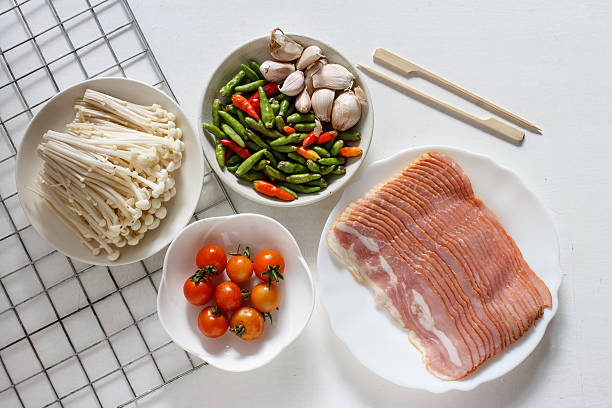
The ready to cook food market in India has evolved from a niche convenience segment into a mainstream component of modern food consumption. Once limited to instant noodles and basic mixes, the category now includes a wide range of semi prepared foods, frozen items, and regionally inspired products. This transformation reflects broader socio economic and lifestyle changes shaping how food is prepared and consumed across the country.
Understanding the Ready to Cook Category
Ready to cook foods are semi processed products that require minimal preparation before consumption. Unlike ready to eat meals, these products typically involve simple cooking steps such as heating, mixing, or assembling ingredients.
Common examples include instant mixes, frozen snacks, meal kits, and partially prepared dishes. This category bridges the gap between traditional home cooking and fully processed food, offering a balance between convenience and freshness. As a result, it appeals to consumers who want to save time without completely giving up the cooking experience.
Lifestyle Changes Driving Market Demand
The growth of the ready to cook segment is closely linked to rapid urbanization and changing household structures in India. Increasing workforce participation, particularly among women, along with the rise of nuclear families, has reduced the time available for elaborate meal preparation.
Busy schedules and long working hours have made convenience a priority, especially in metropolitan cities. Ready to cook products provide practical solutions for consumers seeking quick and easy meal options.
Additionally, the growth of dual income households and a rising middle class have increased disposable incomes. This enables consumers to explore premium and gourmet ready to cook offerings that combine convenience with quality and variety.
Product Diversification and Innovation
The Indian ready to cook market has witnessed significant expansion in product variety. What was once dominated by instant noodles and simple mixes now includes frozen meals, regional cuisine kits, and health focused options.
Manufacturers are focusing on innovation to meet changing consumer preferences. This includes the introduction of preservative free products, organic options, and items tailored to regional tastes. For example, dosa batter products are popular in southern India, while paratha mixes and curry kits are widely consumed in northern regions.
Exposure to global cuisines has also led to the introduction of international flavors, further expanding the category’s appeal.
Role of E Commerce and Retail Expansion
Distribution channels have played a crucial role growth of the ready to cook market in India. Traditionally dependent on local stores, the category has expanded through organized retail formats such as supermarkets and hypermarkets.
These outlets provide a wider product range and improve visibility for both established and emerging brands. At the same time, e commerce platforms have significantly enhanced accessibility by allowing consumers to browse, compare, and purchase products online with doorstep delivery.
The rise of direct to consumer models and subscription based meal services is further integrating ready to cook products into everyday consumption habits.
Urban Concentration and Emerging Regional Demand
Ready to cook products are most widely adopted in urban areas, particularly in major cities such as Delhi, Mumbai, Bengaluru, and Chennai. These markets benefit from higher income levels, greater exposure to packaged foods, and time constrained lifestyles.
However, the category is gradually expanding into Tier 2 and Tier 3 cities. Improved distribution networks, increasing awareness, and the growth of organized retail are supporting this expansion.
Rural adoption remains limited due to price sensitivity and a strong preference for traditional cooking methods. This regional disparity presents both challenges and opportunities for market players aiming to expand their reach.
Health Awareness and Changing Consumer Expectations
Health considerations are becoming increasingly important in shaping consumer preferences within the ready to cook segment. Consumers are looking for products that offer both convenience and nutritional value.
This has led to rising demand for items that are low in preservatives, high in protein, and made with natural ingredients. At the same time, concerns about artificial additives and perceived lack of freshness continue to influence purchasing decisions.
These factors highlight the importance of transparency, quality assurance, and continuous innovation in building consumer trust.
Competitive Landscape and Market Dynamics
The Indian ready to cook market is highly competitive, with participation from both established FMCG companies and emerging startups. Leading players such as ITC, MTR Foods, and Haldiram’s benefit from strong brand recognition and extensive product portfolios.
Meanwhile, new entrants are targeting niche segments such as health oriented or region specific products. This competitive environment is driving innovation, improving product quality, and maintaining competitive pricing.
International brands are also expanding their presence, particularly in frozen foods and snack categories, contributing to product diversification and global influence.
Future Outlook and Market Potential
The ready to cook food market in India reflects a broader shift toward convenience driven consumption. Increasing household adoption and repeat purchases indicate strong growth potential for the segment.
However, challenges such as limited rural penetration, concerns about food quality, and the need for improved cold chain infrastructure remain key barriers to long term expansion.
Addressing these issues will be essential for sustained growth and wider market acceptance.
Conclusion
The evolution of the ready to cook food market in India highlights the impact of changing lifestyles, technological advancements, and evolving consumer expectations. As the category continues to grow, maintaining a balance between convenience, quality, and cultural relevance will be critical.
With ongoing innovation and expanding accessibility, the ready to cook segment is expected to play an increasingly important role in the future of food consumption in India.