Sign up with Google
 Sign in with Zoho

Introduction
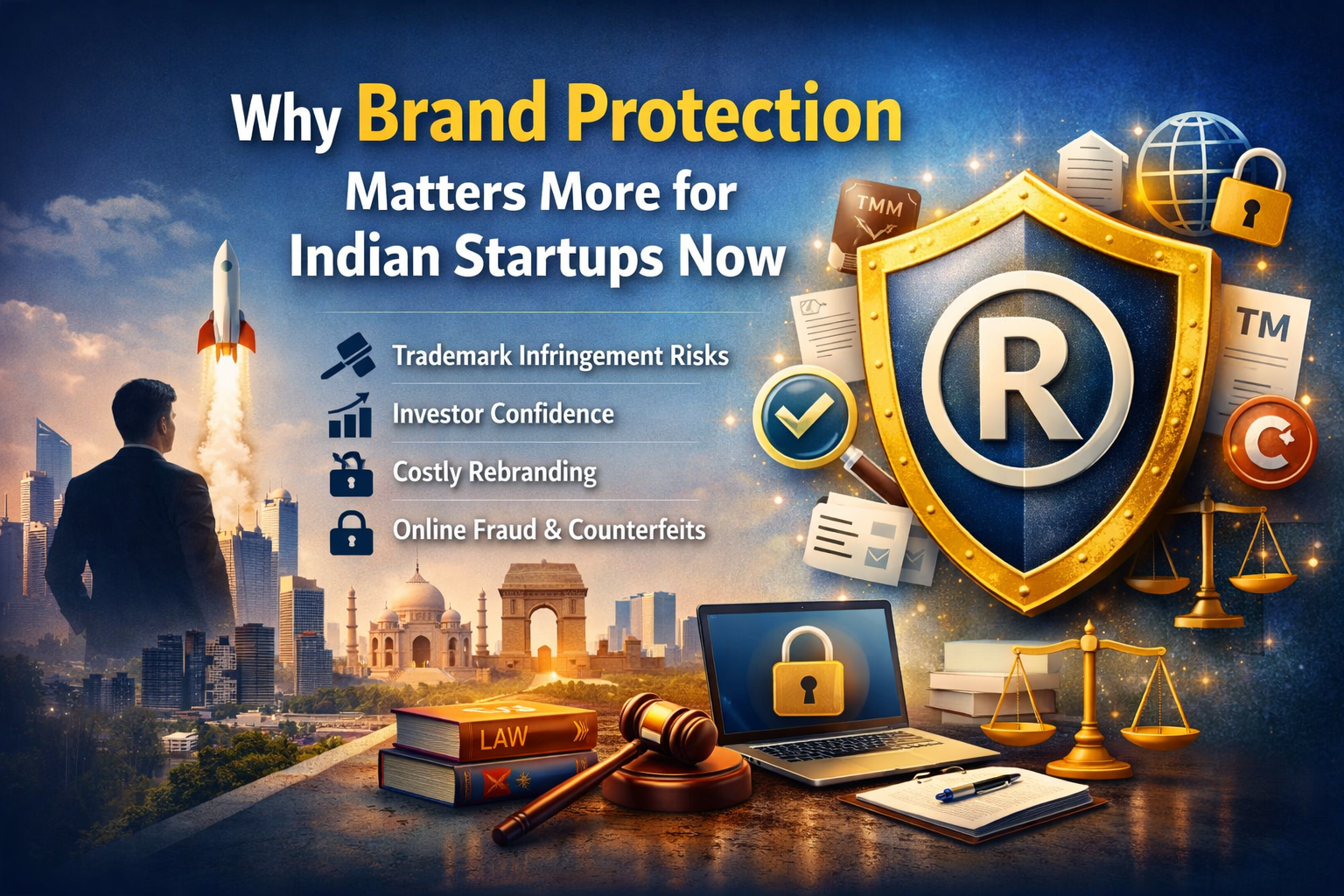
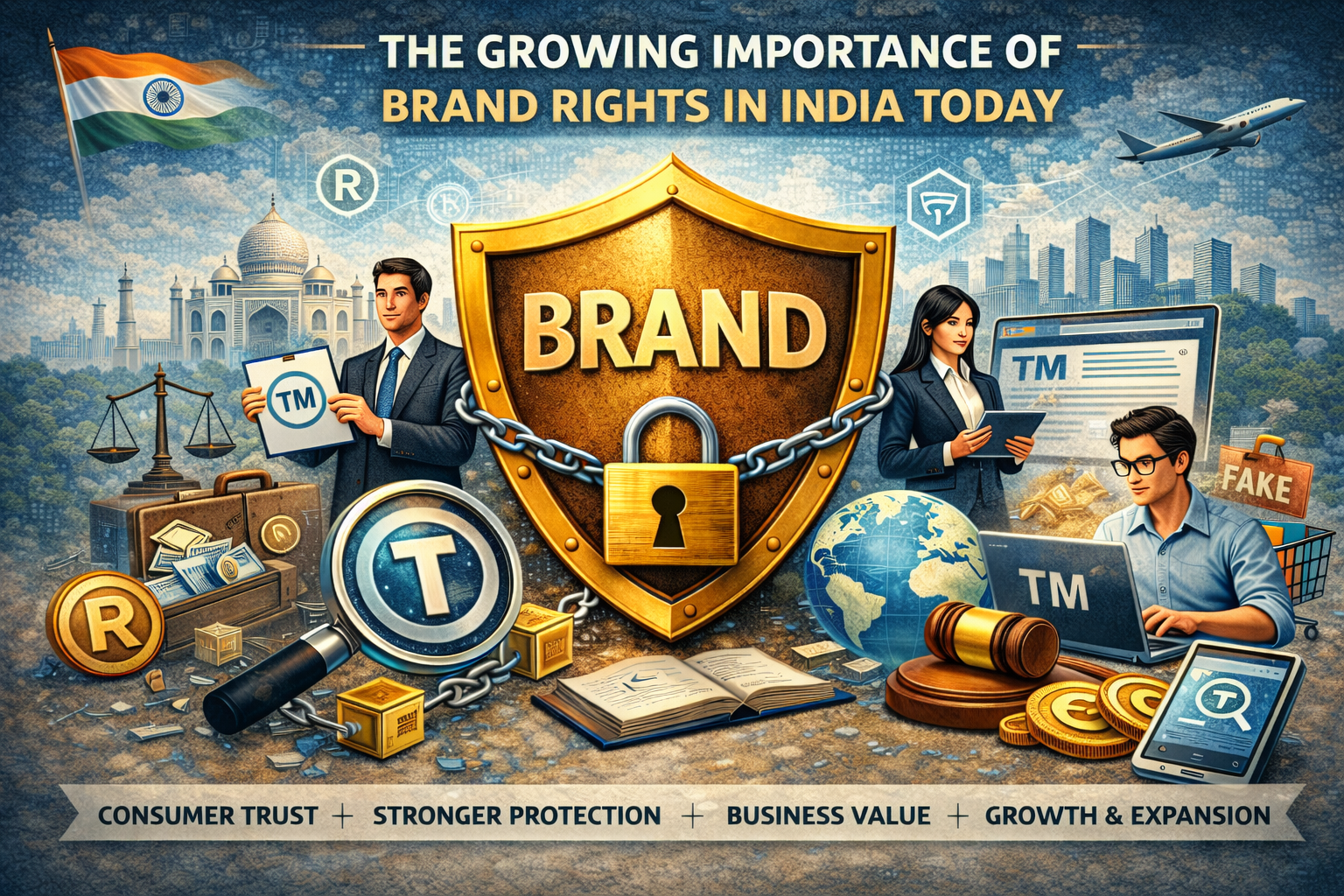
Brand protection in India has moved far beyond traditional trademark registration and occasional legal enforcement. Today, it sits at the intersection of law, technology, consumer behaviour, and fast changing digital marketplaces. Businesses are no longer only protecting logos or names. They are protecting identity, trust, reputation, and customer experience across multiple online and offline channels.
India’s market growth has been rapid, driven by digital commerce expansion, social media influence, and easy access to global goods. While this growth has created opportunity, it has also opened doors for misuse, imitation, and counterfeiting at an unprecedented scale. As a result, brand protection strategies now require constant monitoring, quick legal response, and proactive planning rather than reactive enforcement.
For businesses operating in India, understanding these evolving risks is no longer optional. It is central to survival and long term value creation.
The Changing Nature of Brand Value in India
Earlier, brand value was associated mainly with physical presence, packaging, and local recognition. Today, a brand exists across websites, mobile apps, marketplaces, influencer pages, and customer reviews. This expansion has increased visibility but also vulnerability.
Consumers in India are more informed and digitally active than ever. A single misleading listing or counterfeit product can travel quickly across platforms and damage credibility. Trust is built slowly but lost quickly.
Another important shift is the emotional connection consumers now have with brands. People do not only buy products. They buy identity, status, and experience. This makes brand misuse even more damaging because it affects perception, not just revenue.
Rise of Digital Commerce and Counterfeit Risks
The growth of digital commerce platforms has transformed how products are sold and discovered in India. However, it has also created a parallel market for imitation goods, fake listings, and unauthorised sellers.
Counterfeiters now use sophisticated methods. These include duplicate websites, social media pages, and misleading advertisements. In some cases, even packaging is copied with high precision, making it difficult for customers to identify genuine products.
Small and mid sized businesses face the highest risk because they often lack dedicated monitoring systems. Even established brands must constantly scan multiple platforms to detect misuse.
This environment demands stronger coordination between legal teams, digital platforms, and enforcement authorities.
Regulatory Landscape and Legal Evolution
India’s intellectual property framework has developed significantly over the past decade. Laws governing trademarks, copyright, and passing off are now more robust and aligned with international standards. Courts have also shown increasing willingness to grant urgent relief in cases of infringement.
Despite this progress, enforcement still faces practical challenges. Lengthy procedures, cross jurisdiction issues, and limited awareness among smaller businesses create gaps in protection.
In response, legal professionals are focusing more on preventive strategies. These include early trademark filing, brand audits, and continuous monitoring of digital platforms. The role of legal advisors is no longer limited to court disputes. It now includes strategic brand planning and risk assessment.
Businesses often seek guidance from trademark attorneys in india to ensure proper registration, opposition handling, and infringement management. Their expertise helps companies secure rights early and respond effectively when violations occur.
Enforcement Challenges in a Fast Moving Market
One of the biggest challenges in brand protection today is speed. Infringement can occur within hours of a product launch or marketing campaign. However, legal action typically takes longer.
Another challenge is anonymity. Digital sellers often hide behind multiple accounts, fake identities, or offshore operations. This makes identification and enforcement complex.
Coordination between different platforms also remains inconsistent. While many marketplaces have reporting mechanisms, response times and verification processes vary widely.
Smaller businesses also struggle with awareness. Many do not recognise early signs of infringement or delay action until significant damage has already occurred.
These challenges highlight the need for a more structured and proactive enforcement ecosystem.
Technology Driven Brand Protection
Technology is now playing a central role in protecting intellectual property. Artificial intelligence tools are being used to detect counterfeit listings, monitor online mentions, and track unauthorised use of brand assets.
Image recognition systems can identify copied logos or packaging across platforms. Data analytics helps in spotting unusual pricing patterns or suspicious sellers. These tools reduce detection time and improve enforcement efficiency.
Blockchain technology is also being explored for supply chain transparency. It helps verify product authenticity from manufacturing to delivery.
However, technology alone is not enough. It must be supported by strong legal frameworks and human expertise to interpret findings and take appropriate action.
Strategic Response for Businesses
Modern brand protection requires a multi layered strategy. Businesses need to combine legal, technological, and operational measures.
Some key approaches include:
• Early registration of trademarks and brand assets • Continuous monitoring of online marketplaces and social media • Clear internal guidelines for brand usage • Strong contracts with distributors and partners • Regular brand audits and risk assessments • Quick response mechanisms for infringement reports
Legal preparedness is equally important. Businesses must ensure they can act quickly when violations occur. Delay often results in wider damage and higher recovery costs.
Engaging experienced professionals is essential for building a strong foundation. Many companies rely on top ip law firms in india for comprehensive brand protection strategies, litigation support, and cross border enforcement solutions.
Role of Consumer Awareness
Consumers play a crucial role in brand protection. In India, awareness about counterfeit products is growing but still uneven. Many buyers prioritise price over authenticity, especially in competitive online marketplaces.
Educating consumers about identifying genuine products can significantly reduce the impact of counterfeit markets. Brands are increasingly investing in awareness campaigns, verification tools, and authenticity labels.
Customer feedback also acts as an early warning system. Reviews and complaints often reveal misuse before it becomes widespread.
The Future of Brand Protection in India
The future of brand protection in India will be shaped by three key forces: digital expansion, regulatory strengthening, and technological innovation.
As online commerce continues to grow, brand misuse will also become more sophisticated. Legal systems will need to adapt faster, and businesses will need to become more proactive.
We are likely to see greater collaboration between private companies, legal experts, and government agencies. Data sharing and coordinated enforcement will become essential tools in combating infringement.
At the same time, artificial intelligence and automation will make monitoring more efficient. However, human judgment will remain critical in legal interpretation and strategic decision making.
Conclusion
Brand protection in India is no longer a static legal function. It is a dynamic and continuous process shaped by digital behaviour, market expansion, and evolving consumer expectations.
Businesses must shift from reactive enforcement to proactive protection. This includes early registration, continuous monitoring, technological adoption, and strong legal partnerships.
As the market grows more complex, only those brands with structured protection strategies will maintain trust and long term value in the eyes of consumers.