Sign up with Google
 Sign in with Zoho

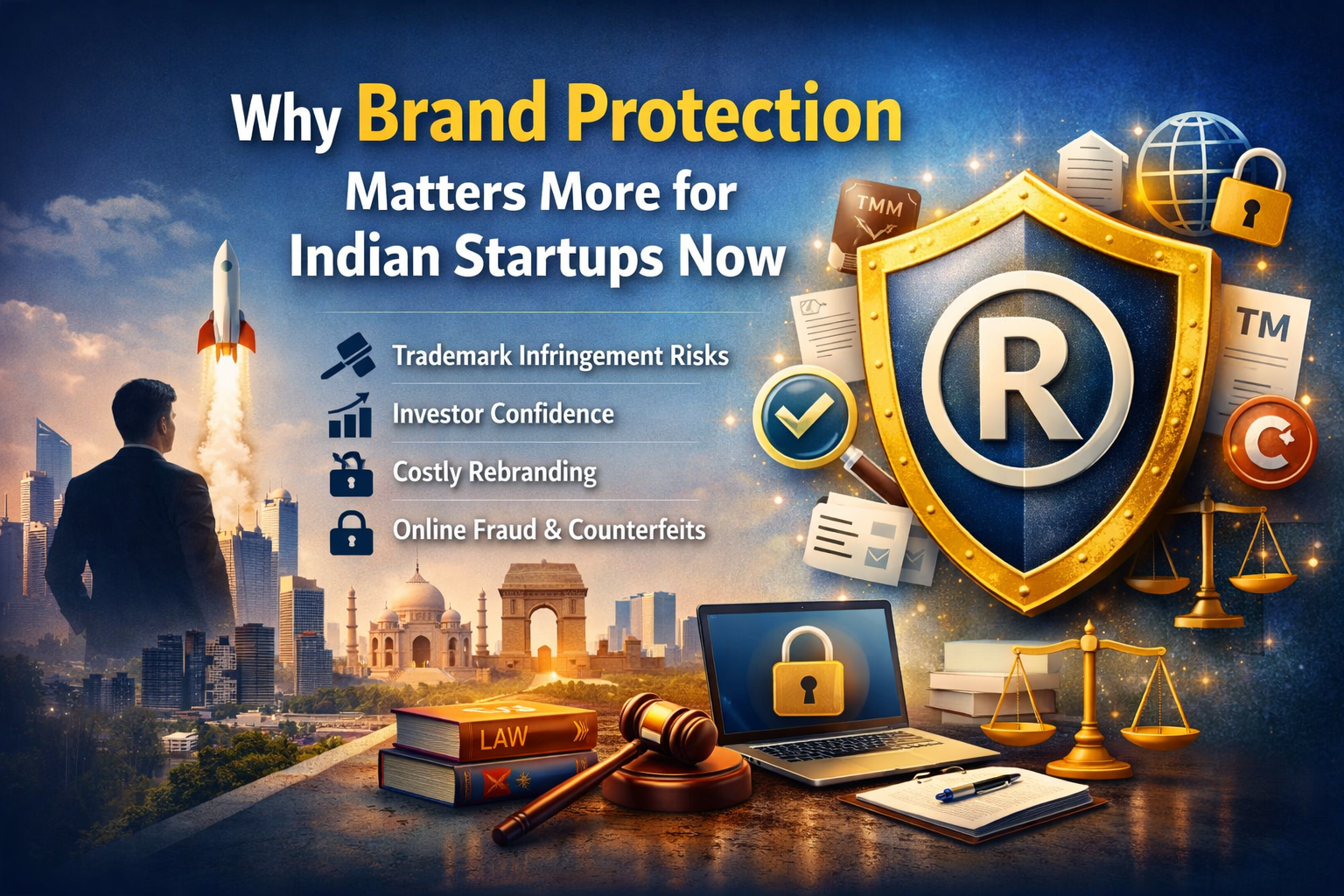
India’s startup ecosystem has entered a phase of rapid expansion. Innovation is no longer limited to major cities. Founders across sectors are building scalable ventures with global ambitions. In such an environment, brand value has become one of the most critical business assets. Yet many early stage founders still underestimate the importance of protecting their brand from day one.
Brand protection is no longer optional. It is a strategic necessity. As competition intensifies and digital exposure grows, startups face higher risks of imitation, misuse, and legal disputes. Understanding why brand protection matters today can help founders build stronger and more resilient businesses.
The Rising Value of Intangible Assets
Modern businesses are driven by intangible assets. A brand name, logo, tagline, or even a unique product identity can hold immense value. For startups, these elements often form the first point of connection with customers.
Investors also recognise this shift. A well protected brand signals long term vision and operational maturity. It reflects preparedness for scaling. Without proper protection, even a promising startup may struggle during due diligence or funding rounds.
In India, where new ventures emerge daily, a distinct brand identity helps businesses stand out. However, without legal protection, such identity remains vulnerable to misuse.
Increased Risk of Brand Infringement
The digital economy has made it easier for businesses to reach wider audiences. At the same time, it has increased exposure to infringement risks. Copycat brands, domain squatting, and counterfeit products are common challenges.
Startups often operate with limited resources. A single infringement incident can lead to revenue loss, customer confusion, and reputational damage. In some cases, founders may even be forced to rebrand, which can be costly and disruptive.
Early brand protection reduces such risks. Registering trademarks and securing intellectual property rights provides legal backing. It allows startups to take swift action against misuse.
Competitive Market Demands Strong Identity
Indian markets are becoming highly competitive across industries such as fintech, edtech, healthtech, and ecommerce. In such crowded spaces, differentiation is key.
A protected brand creates exclusivity. It ensures no other entity can use similar marks in the same category. This exclusivity builds trust among consumers. It also strengthens brand recall.
Startups with registered trademarks gain a competitive edge. They can confidently invest in marketing, knowing their identity is legally safeguarded.
Legal Framework Supports Brand Protection
India offers a structured legal framework for trademark registration and enforcement. The Trade Marks Act, 1999 provides rights to registered owners. It enables them to prevent unauthorised use of similar marks.
Courts in India have also shown increasing support for intellectual property rights. Many landmark judgments highlight the importance of protecting brand identity.
However, legal protection works effectively only when proactive steps are taken. Delayed action can weaken a startup’s position in disputes.
Importance During Fundraising and Expansion
Investors assess risk before committing capital. Intellectual property forms a key part of this evaluation. A startup with a registered trademark demonstrates foresight and risk management.
During mergers or acquisitions, brand ownership becomes even more critical. Clear documentation of rights simplifies transactions and increases valuation.
For startups planning international expansion, early registration in India serves as a foundation. It helps in securing rights in other jurisdictions as well.
Preventing Costly Rebranding
Rebranding may seem like a simple solution in case of conflicts. In reality, it involves significant cost and effort. From redesigning logos to updating marketing materials, the process can strain limited budgets.
More importantly, rebranding can confuse existing customers. It may dilute brand recognition built over time.
Securing trademarks early prevents such scenarios. It ensures founders can focus on growth without worrying about legal challenges to their brand identity.
Building Consumer Trust and Credibility
Trust plays a crucial role in consumer decision making. A registered brand signals authenticity and reliability. It assures customers they are dealing with a legitimate business.
In sectors such as healthcare, finance, and education, credibility becomes even more important. Brand protection helps startups establish a trustworthy presence.
It also reduces the risk of counterfeit products or services entering the market under a similar name.
Digital Presence and Online Risks
Startups rely heavily on digital platforms for growth. Websites, mobile apps, and social media channels serve as primary touchpoints with customers.
This digital presence brings additional risks. Cyber squatting, fake profiles, and unauthorised listings can harm brand reputation.
Trademark registration strengthens a startup’s ability to address such issues. It provides grounds to report and remove infringing content from online platforms.
Strategic Advantage in Long Term Growth
Brand protection is not only about risk mitigation. It also offers strategic benefits. A strong and protected brand becomes a valuable business asset over time.
It can be licensed, franchised, or even sold. Many successful companies derive significant revenue from their brand alone.
For startups aiming for long term growth, investing in brand protection early can yield substantial returns.
Role of Professional Legal Support
Navigating trademark laws and registration processes can be complex. Errors in application or classification may lead to rejection or delays.
Seeking professional guidance ensures accuracy and efficiency. Legal experts can conduct thorough searches, identify potential conflicts, and guide startups through the process.
If you are looking to secure your brand effectively, consulting the best trademark law firm and lawyers in India can provide the expertise required to avoid common pitfalls.
Similarly, choosing the best trademark filing and registration in India ensures a smooth and reliable registration process, helping startups focus on their core business activities.
Common Mistakes Startups Should Avoid
Many startups delay trademark registration. Some assume incorporation of a company provides brand protection. Others overlook the importance of conducting a proper trademark search.
Such assumptions can lead to legal complications later. Another common mistake is choosing generic or descriptive names. These are harder to protect and enforce.
Startups should prioritise unique and distinctive brand names. Early action and informed decisions can prevent future disputes.
Aligning Brand Protection with Business Strategy
Brand protection should be integrated into the overall business strategy. It should not be treated as an afterthought.
From naming the startup to designing logos and planning marketing campaigns, every step should consider legal implications. This approach ensures consistency and reduces risks.
Regular monitoring of the market is also essential. It helps identify potential infringements early and take timely action.
The Way Forward for Indian Startups
India’s startup ecosystem is poised for continued growth. Government initiatives, investor interest, and technological advancements are creating new opportunities.
In this dynamic environment, brand protection plays a crucial role in sustaining success. It safeguards identity, builds trust, and enhances business value.
Startups must recognise brand protection as a foundational step. Taking early action can save time, money, and effort in the long run.
Conclusion
Brand protection has become more important than ever for Indian startups. Rising competition, digital exposure, and increasing investor scrutiny make it a critical aspect of business strategy.
A protected brand is not just a legal safeguard. It is a powerful asset. It supports growth, attracts investment, and builds lasting trust with consumers.
For founders, the message is clear. Protect your brand early. Strengthen your foundation. And position your startup for sustainable success in an evolving market.