 Sign up with Google
 Sign in with Zoho

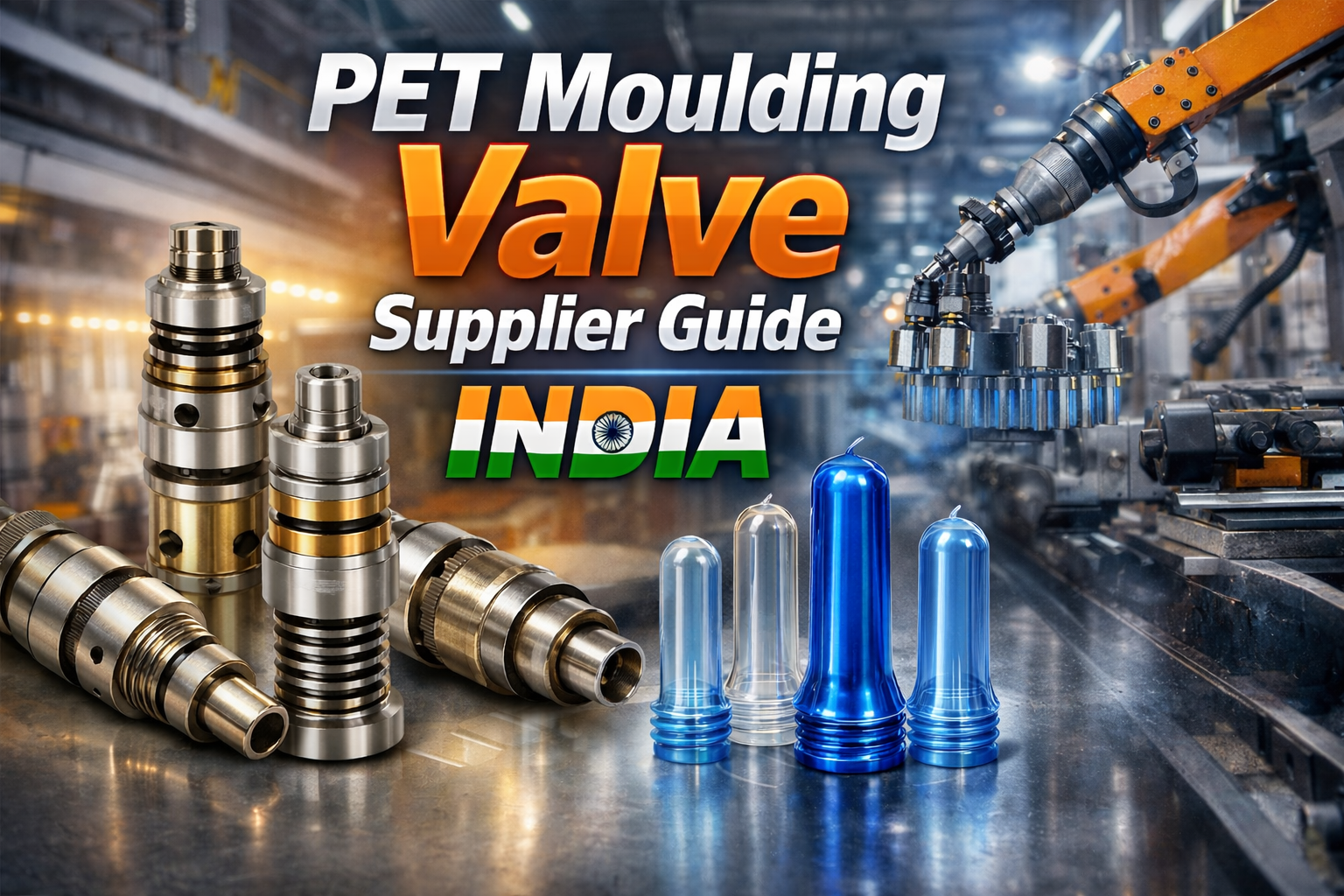
A delayed shipment. A leaking valve batch. And suddenly your entire PET moulding line is offline. That’s usually when buyers start questioning their choice of Pneumatic manufacturers—not before. Most procurement teams don’t fail because they chose a cheap supplier. They fail because they didn’t know what to check in the first place. And in PET moulding, where cycle times can go below 8 seconds per unit, even a minor valve inconsistency can wreck output and margins fast.
Specification: What Actually Matters in PET Moulding Valves
Valve Types Used in PET Systems
Not all valves behave the same under PET moulding pressure cycles.
- High-speed solenoid valves – critical for blow moulding timing accuracy
- Directional control valves – manage airflow direction during preform handling
- Air blow guns – used for cleaning mould cavities and eject systems
- Specialised PET moulding valves – built for heat + pressure stability
Which means if your supplier is offering “standard industrial valves” for PET lines, you’re already compromising performance.
Pressure and Response Time Benchmarks
PET moulding typically operates between 6–10 bar pressure, but response time matters more.
- Good valves: response time under 20 milliseconds
- Average valves: 25–35 ms
- Problematic: anything above 40 ms
Nobody tells you this, but slower valves don’t just reduce speed—they create inconsistency in bottle thickness.
Material and Seal Quality
Here’s what buyers overlook:
- Seal material (usually NBR or Viton) must handle repeated heat cycles
- Poor seals start failing after 0.8–1 million cycles
- High-quality ones last beyond 3 million cycles
That difference decides whether you replace parts quarterly or annually.
Objective: 5 Checks That Separate Reliable from Risky Suppliers
1. Ask About Cycle Testing Data
A good supplier shares test data openly.
A bad answer sounds like: “We haven’t had complaints so far.”That’s not data. That’s guesswork.
2. Check Consistency Across Batches
Even top Pneumatic manufacturers in India slip here.
A bad supplier says: “Small variations are normal.”Which means your production line becomes the testing lab.
3. Certification Isn’t Enough—Check Validity Dates
ISO-certified sounds reassuring. Expired certification? Not so much.
A bad answer: “Renewal is in process.”That gap can mean zero accountability during defects.
4. Spare Availability Timeline
Downtime kills margins faster than price differences.
A weak supplier says: “We’ll arrange parts if needed.”That’s a 10-day delay waiting to happen.
5. Customisation Capability
PET moulding setups aren’t standard.
A bad answer: “We only supply standard sizes.”Then you’ll end up adjusting your system instead of optimizing it.
Benefits: What the Right Supplier Actually Protects
1. Stable Production Output
Even a 2% reduction in rejection rates can increase monthly profit significantly in high-volume PET lines.
2. Lower Maintenance Cycles
High-quality Pneumatic Cylinders Manufacturer setups reduce maintenance intervals from 3 months to 8–10 months.
3. Faster Line Speeds
Better valve response improves cycle time consistency by up to 12–18% in some operations.
4. Reduced Air Leakage Costs
Compressed air losses can account for 20–30% energy waste in factories. Tight valves fix that.
5. Predictable Procurement Planning
Reliable pneumatic tools supplier partners allow bulk planning instead of emergency buying.
6. Better Export Quality Control
If you’re exporting bottles, consistent moulding quality reduces rejection rates at client inspection stages.
Availability: Where to Source PET Valve Suppliers in India
India’s pneumatic supply chain is concentrated in:
- Gujarat (Ahmedabad, Vadodara)
- Maharashtra (Pune, Mumbai)
- Delhi NCR
Which matters more than buyers think.
A supplier located near major industrial belts reduces lead time by 3–5 days on average. That’s the difference between planned maintenance and emergency shutdown.
You’ll find:
- specialised valves for PET moulding Supplier in India clusters in Gujarat
- Air Blow Gun Manufacturer in India setups across Maharashtra
- Distributors like mercury electricals & pneumatics operating regionally
And yet, many buyers still choose based on price alone, ignoring logistics.
About Us: How We Actually Work at V.S Enterprises
We’ve been in this industry long enough to see where deals fail—usually after the first shipment.
At V.S Enterprises, we supply to buyers across 31 countries, and we’ve learned this the hard way: consistency beats everything. Not pricing. Not promises.
We test valve batches randomly before dispatch—not just the first lot.
Back in 2022, we stopped sourcing one valve series entirely after two clients reported micro-leakage at high cycle speeds. We replaced the line. Took a margin hit. Kept the clients.
That’s how we operate.
What to Send Us Before We Quote
If you're sourcing from Pneumatic manufacturers, don’t send vague RFQs.
Send us:
- Valve type or application (PET blow / injection)
- Required pressure range
- Monthly consumption volume
- Any failure issues you’ve faced
We typically respond within 24 hours.
MOQ starts at 50 units, depending on the product.
Conclusion
Choosing the right Pneumatic manufacturers for PET moulding isn’t about catalogs or pricing—it’s about how your production behaves after 6 months. The gap between a stable line and constant troubleshooting is usually a supplier decision made too quickly. The next phase of PET manufacturing in India will reward buyers who choose partners, not vendors.
FAQs
1. How do I find specialised valves for PET moulding Supplier in India?
Start with suppliers who have PET-specific experience, not general pneumatic catalogs. Ask for cycle data and client industries.
2. What makes a specialised valves for PET moulding Manufacturer reliable?
Consistency across batches. If performance changes lot to lot, it’s not reliable—no matter how polished the brochure looks.
3. Are Air Blow Gun Supplier options in India standardised?
Not really. Quality varies a lot. Some fail within months under industrial use. Always check material and nozzle durability.
4. Which Air Blow Gun Manufacturer in India is best for factory use?
There’s no single answer. It depends on pressure requirements and usage frequency. Heavy-duty applications need reinforced builds.
5. Is mercury electricals & pneumatics a manufacturer or distributor?
They typically operate as distributors. That means quality depends on the original manufacturer they source from.
6. How do pneumatic tools supplier networks affect pricing?
Direct manufacturers offer better pricing at scale. Distributors help with availability but add margin layers.
7. Are Pneumatic Cylinders manufacturer options interchangeable?
No. Even small tolerance differences can affect performance. You might need testing before switching suppliers.