Sign up with Google
 Sign in with Zoho

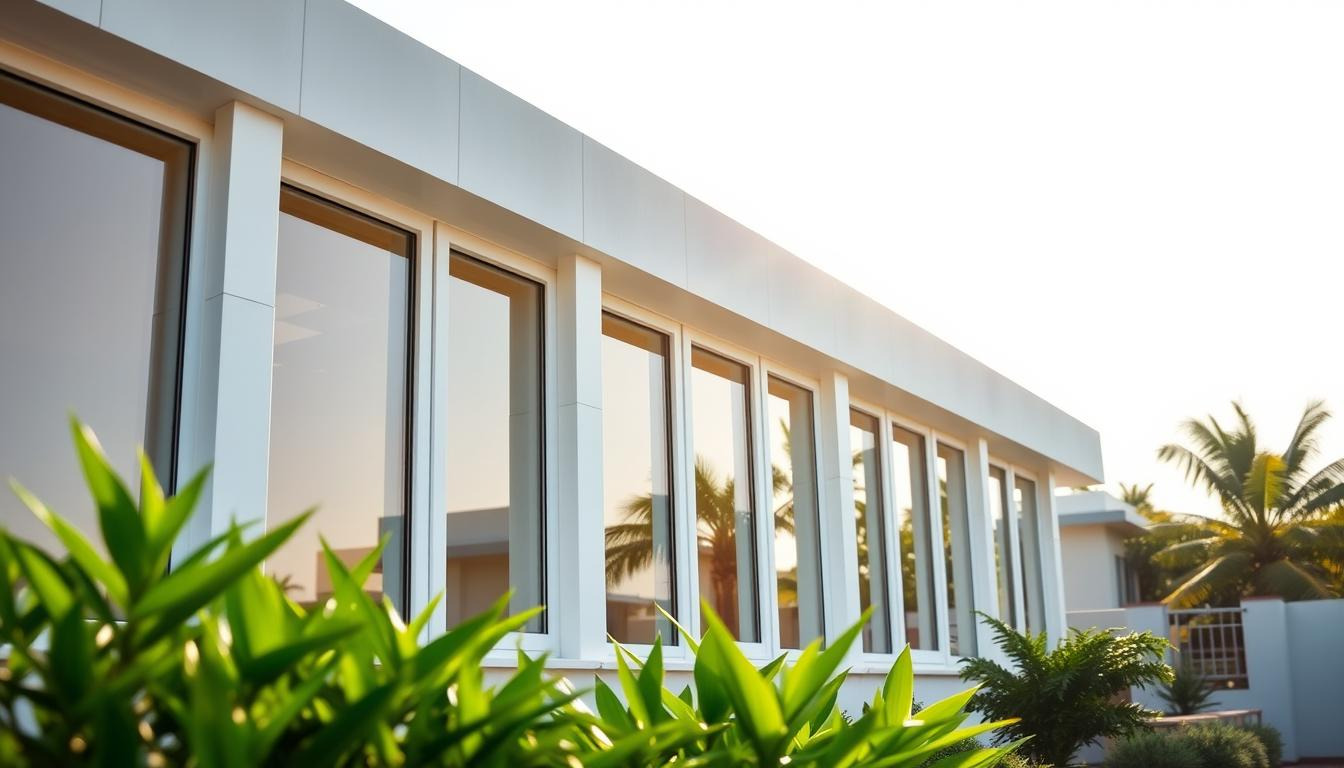
If you've been shopping for windows lately, you've probably noticed that uPVC comes up in almost every conversation. Builders recommend it. Friends who recently renovated swear by it. And yet a nagging question stays with you: will it actually hold up in the Indian climate, and for how long?
It's a fair thing to wonder about. India is not exactly gentle on building materials. Summers in Rajasthan regularly cross 45°C. Coastal cities like Mumbai deal with near-constant humidity. Then there are the monsoons - months of sustained rain, wind, and damp that test every seal and joint. Whatever goes into your walls needs to handle all of this without falling apart a decade later.
The short answer, based on real-world installations across India, is that quality uPVC windows last between 20 and 35 years. That's not marketing language - buildings fitted with uPVC in the 1990s still have those windows functioning today. But the range between 20 and 35 years is wide, and what determines where your windows fall in that range is worth understanding before you make a purchase.
Why uPVC Holds Up Better Than Wood or Aluminium
To understand the lifespan difference, it helps to think about why traditional materials fail. Wood is organic - it absorbs moisture, swells, shrinks, and eventually rots. In termite-prone regions (which is most of India), untreated wooden frames can lose structural integrity within five to ten years. Even with chemical treatments and regular painting, you're looking at a refinishing job every two to three years just to keep things looking decent.
Aluminium is tougher, but it has its own issues. It conducts heat readily, which matters a lot in a country with extreme temperature swings. It also corrodes in coastal environments where salt-laden air gets into every crevice. And while aluminium frames won't rot, they do oxidise over time, leading to a dull, pitted surface that no amount of cleaning fully fixes.
uPVC sidesteps most of these problems because of what it is at a material level. The polymer doesn't absorb water. It gives termites and carpenter ants nothing to eat. It doesn't corrode or rust. And modern formulations include UV stabilisers - typically titanium dioxide - that prevent the discolouration and surface chalking that plagued older-generation uPVC products.
One thing people sometimes assume is that uPVC is structurally weak. It isn't - at least not in any reputable modern product. Good uPVC frames have galvanised steel reinforcement running through them, which is why large window configurations don't sag or warp over time. The steel handles the structural load; the uPVC handles the weather. Together, they outlast either material alone.
What Actually Determines How Long Your Windows Last
Not all uPVC windows are created equal, and this is probably the most important thing to get right before you buy. The material itself can last decades; poor-quality profiles or sloppy installation can cut that down significantly.
Profile quality matters more than price
The wall thickness of the uPVC profile is a reliable quality indicator. Quality profiles maintain at least 2.5 to 3mm throughout the frame. Cheaper products skimp on this, and you'll notice the difference in how the windows sound when you knock on them - a hollow, thin tone versus a more solid response. Look for manufacturers with international certifications and proper calcium-zinc stabiliser formulations, which handle UV exposure better than older lead-based alternatives.
Installation is half the battle
A well-made uPVC window installed badly will underperform for its entire lifespan. Common installation mistakes include poor frame alignment (which strains the hinges and locks every time you operate the window), inadequate weatherproofing at the junction between frame and wall, and blocked or missing drainage channels. Any of these can reduce the effective service life by 30 to 40 percent - sometimes more. Certified installers with a track record in your region are worth paying for.
Hardware is often the first thing to go
The frame might last thirty years, but if the handles, hinges, and locking mechanisms fail at year five, you have a problem. Low-grade hardware is one of the more common complaints homeowners have with budget uPVC windows. European or Japanese hardware brands with high-cycle ratings are noticeably more durable - they're designed for thousands of open-close cycles rather than hundreds. For coastal properties, stainless steel hardware is worth specifying from the start.
How Different Indian Climates Affect the Lifespan
The 20-to-35-year range isn't arbitrary - it maps roughly to the variation in environmental conditions across India.
• Desert and arid zones (Rajasthan, parts of Gujarat): Extreme heat and dust are the main stressors. Enhanced UV stabilisers and regular cleaning to remove abrasive dust particles keep windows performing well for 30 to 35 years.
• Coastal regions (Mumbai, Chennai, Goa, Kochi): Salt-laden air accelerates hardware corrosion if standard fittings are used. With stainless steel hardware and attention to drainage maintenance, 25 to 30 years is realistic.
• Heavy monsoon areas (Kerala, Northeast India): Prolonged moisture exposure tests drainage design and sealant quality. Quality installation handles this comfortably for 25 to 30-plus years.
• High-altitude locations (Himachal, Uttarakhand): Intense UV radiation is a concern, but cooler temperatures actually reduce thermal stress on the frames. Well-specified windows often exceed 30 years here.
Signs Your Windows Need Attention
Even good windows show wear eventually, and catching problems early almost always saves money. Here's what to watch for:
• Stiff or difficult operation - usually a hardware issue, fixable with lubrication or part replacement
• Draughts around closed windows - points to worn weather seals, which are inexpensive to replace
• Water entry during rain - could be sealant failure, drainage blockage, or frame alignment
• Condensation between glass panes - indicates that the double-glazing seal has failed; the glass unit needs replacing, not the whole window
• Surface chalking or significant discolouration - in quality modern uPVC this shouldn't appear until well after 20 years; early onset suggests inferior-grade material
Simple Maintenance That Makes a Real Difference
One genuine advantage of uPVC is that maintaining it doesn't require much. There's no painting, no varnishing, no treatment for termites. But 'low maintenance' doesn't mean 'no maintenance.'
Every two to three months, wipe the frames down with mild dish soap and water. Use a soft cloth - microfibre works well - and avoid anything abrasive. At the same time, check the drainage holes at the bottom of the frame and clear any debris. Blocked drainage is one of the most common reasons for water ingress in otherwise good windows.
Twice a year, apply a light silicone-based lubricant to the hinges, locking points, and sliding tracks. This keeps operation smooth and prevents the metal-on-metal friction that wears hardware prematurely. Avoid heavy greases, which attract and hold dust.
Quarterly, run a hand along the rubber gaskets and weather seals. They should feel pliable. If they've hardened, cracked, or started to pull away from the frame, replace them. It's a small cost - a few hundred rupees per window - and it makes a significant difference to both energy efficiency and weather protection.
The Cost Calculation Over a Full Lifespan
uPVC windows typically cost 15 to 30 percent more than basic aluminium at the time of purchase. That premium is real, and it's fair to ask whether it's justified.
Wooden windows need refinishing every two to three years - sanding, priming, and painting at roughly ₹200 to ₹400 per square foot including labour. Over 25 years, that adds up to somewhere between ₹5,000 and ₹10,000 per standard window, before accounting for any structural repairs or termite treatment. uPVC has none of these recurring costs.
On the energy side, the multi-chambered profile of uPVC creates a genuine thermal barrier. For a typical 3BHK with eight to ten windows, better insulation can reduce annual electricity bills by ₹8,000 to ₹15,000, depending on where you live and how much you use air conditioning. Across 25 years, that's ₹2 to ₹3.75 lakhs in savings - a figure that more than offsets the initial premium in most households.
The math only works, though, if you buy quality in the first place. Cheap uPVC that fails in ten years doesn't give you the payback period to realise those savings.
Clearing Up a Few Common Misconceptions
A few myths about uPVC keep circulating, and they're worth addressing directly.
"uPVC turns yellow in Indian sun"
This was a legitimate concern with early-generation products from the 1980s and 90s. Modern formulations with titanium dioxide and proper UV stabilisers hold their colour for 20-plus years. If you're buying from a reputable manufacturer with documented UV resistance specifications, yellowing is not a meaningful risk.
"uPVC can't handle extreme Indian temperatures"
Quality uPVC is formulated to maintain structural integrity from -20°C to +60°C - well beyond the typical Indian temperature range. Thermal expansion does occur, but it's accounted for in proper installation techniques. This isn't a problem with the material; it's a detail that competent installers handle routinely.
"uPVC windows only last 10 to 15 years"
This figure gets repeated and it's simply outdated. Installations from the 1990s that are still in service today demonstrate real-world performance well beyond this range. The 10 to 15 year figure might reflect substandard early products or poor installation - not what a quality modern system delivers.
Which Window Style Lasts Longest?
The design of the window affects how wear accumulates over time. Casement windows - the side-hinged type that swings open - distribute stress well across solid hinge hardware and have a relatively simple mechanism with few failure points. They tend to hold up well over long periods.
Sliding windows, which are popular in Indian homes for their space efficiency, put the main wear on the rollers and tracks. With quality roller systems, this isn't a significant problem, but it's worth spending on better rollers if you're fitting a sliding configuration.
Tilt-and-turn windows offer the most operational flexibility - they open inward for ventilation and tilt at the top for a different airflow option. The more complex mechanism means slightly more components that could theoretically wear, but with European-grade hardware, this style performs consistently well across a full 25-to-30-year lifespan.
What to Look for When Buying
After everything above, the practical guidance comes down to a few clear points:
• Choose a manufacturer with at least ten years of documented installations in India, not just one that's new to the market with attractive pricing
• Confirm profile wall thickness is at minimum 2.5mm and the design is multi-chambered
• Insist on European or Japanese hardware for hinges and locking mechanisms - this is one area where saving money reliably costs more later
• Get a warranty of at least ten years on both the profile and hardware in writing before you commit
• Use certified installers, and if you're in a coastal area, specify stainless steel hardware explicitly
• For regions with extreme heat, ask about low-E coating on double-glazed units - it meaningfully improves thermal performance
Final Thoughts
The question of how long uPVC windows last in India doesn't have a single answer because so much depends on the choices you make upfront. Buy quality, have them installed properly, and do the minimal maintenance they require - and 25 to 30 years of reliable performance is genuinely achievable across most of India's climate zones.
The economics work in your favour over that timeframe, especially when you factor in eliminated maintenance costs and energy savings. The upfront premium is real but relatively modest compared to what you save over the window's actual service life.
What this really comes down to is that uPVC is a material that rewards getting the selection and installation right. Do that, and you're unlikely to be replacing your windows again for a very long time.
Frequently Asked Questions
Q. 1- How long do uPVC windows last in India's climate?
Properly installed quality uPVC windows last 20 to 35 years across India's diverse climate zones. Premium products with steel reinforcement regularly reach 30 years or more, including in demanding coastal, desert, and monsoon-heavy environments.
Q. 2- Do uPVC windows need special maintenance?
Not special maintenance - just consistent, simple care. Clean the frames with mild soap and water every two to three months, lubricate the hardware twice a year, and check the rubber seals quarterly. That's genuinely all most installations need.
Q. 3- Will uPVC windows turn yellow under Indian sunlight?
Not if you buy from a reputable manufacturer. Current uPVC formulations contain UV stabilisers and titanium dioxide that preserve colour for over 20 years. Yellowing is associated with outdated or poorly manufactured products, not with good modern uPVC.
Q. 4- Can uPVC windows handle large openings?
Yes. Steel-reinforced uPVC profiles provide enough structural strength for large window configurations without sagging or distortion. The steel core carries the structural load while the uPVC handles weather resistance.
Q. 5- How does uPVC compare to wood and aluminium for longevity?
uPVC typically outlasts wood by 10 to 15 years, primarily because it doesn't rot, warp, or attract termites. Compared to aluminium, it offers a similar or better lifespan while providing significantly better thermal insulation - particularly important in coastal environments where aluminium corrodes more readily.
Contact : VDecor Design for Premium uPVC Window Solutions
Ready to invest in windows that will serve your home for decades? VDecor Design specializes in premium-quality uPVC window systems engineered for Indian climate conditions. Our expert consultants help you select the perfect window configuration for your specific requirements, ensuring maximum lifespan and performance.
VDecor Design
Phone: 070085 10216
Website: https://vdecor.design/
Contact us today for professional consultation and competitive pricing on uPVC windows that deliver exceptional value for your home.