
 Sign up with Google
 Sign in with Zoho

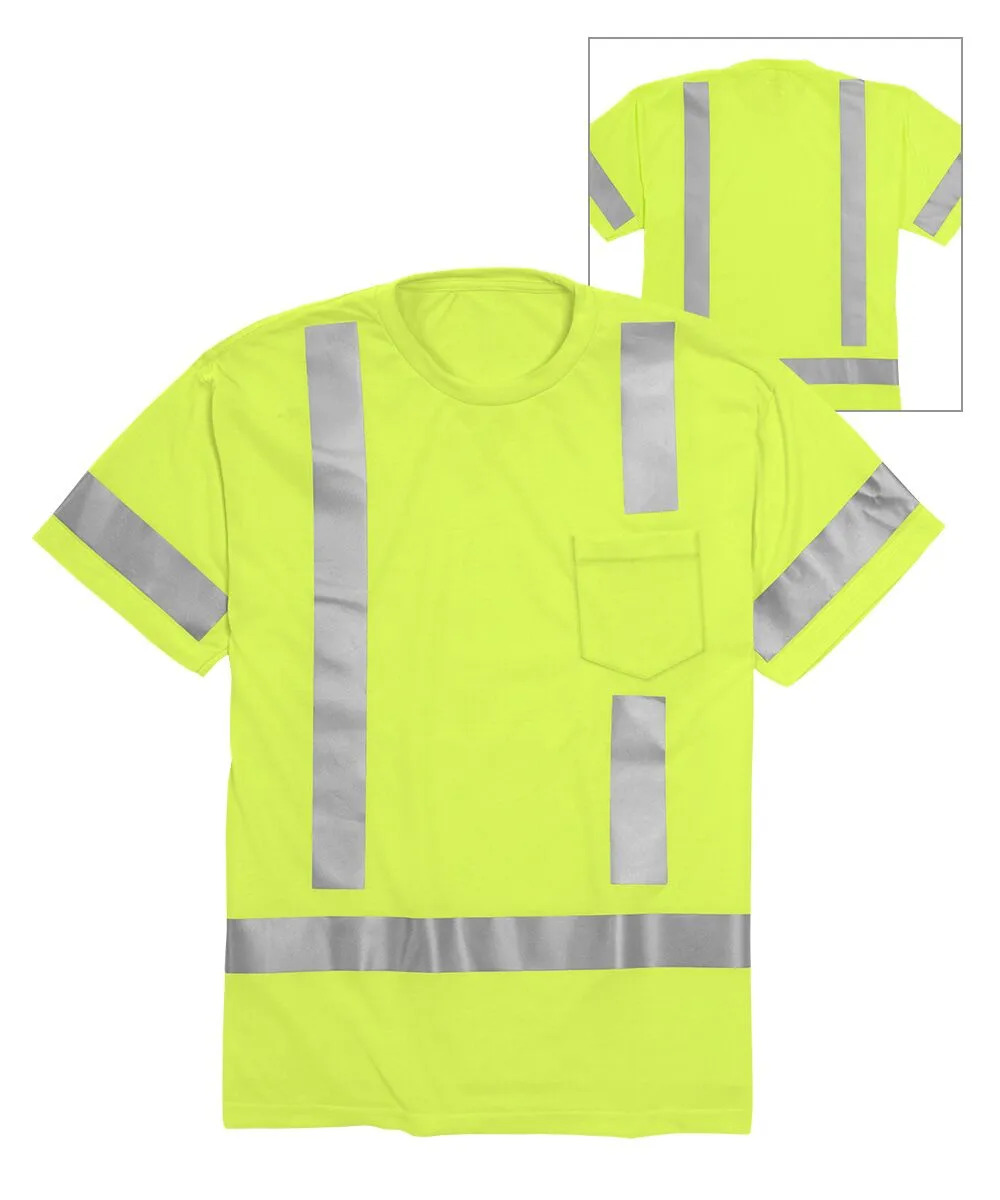
Every construction site presents unique hazards — from moving vehicles and heavy equipment to falling objects and extreme weather. The uniform for construction workers you choose must address all of these challenges while remaining durable, comfortable, and compliant with OSHA and ANSI regulations. This guide breaks down everything a contractor or safety manager needs to know when selecting workwear for their crew.
Understanding ANSI/ISEA 107 Performance Classes
Before diving into specific garments, understanding ANSI performance classes is non-negotiable. The ANSI/ISEA 107 standard categorizes high-visibility garments by how much retroreflective and background material they contain:
Class 1 garments offer the minimum visibility enhancement and are appropriate only for low-risk environments away from traffic. Class 2 garments provide significantly more fluorescent background material and retroreflective striping — suitable for highway construction workers and those near moderate-speed traffic. Class 3 garments represent the highest level of visibility protection and are required for workers in high-risk environments such as interstate highway construction, night work, and work near high-speed traffic.
Most active construction sites require at a minimum Class 2 hi-vis uniforms. Sites with significant vehicle traffic or low-visibility conditions warrant Class 3.
Key Garment Categories
Work Shirts and T-Shirts
The backbone of any construction uniform, hi-vis work shirts should offer both ANSI compliance and practical comfort. Look for moisture-wicking fabric for hot conditions, longer shirttails that stay tucked, and generous cuts that allow full range of motion. Short-sleeve and long-sleeve options cater to different seasonal needs.
Hoodies and Sweatshirts
When temperatures drop, workers need insulation without sacrificing visibility. High-visibility hoodies have become one of the most popular additions to construction uniform lineups in recent years. Their soft, insulating fabric keeps workers warm while the fluorescent exterior and reflective striping ensure they meet ANSI/ISEA 107 Class 2 requirements.
Outerwear: Jackets, Vests, and Coveralls
For year-round versatility, a well-rounded construction safety apparel program should include insulated jackets for winter, lightweight vests for spring and fall (which can be worn over existing garments), and coveralls for comprehensive full-body protection. When selecting jackets, consider waterproofing ratings and insulation weight relative to your local climate.
Hard Hats
Completing the head-to-toe system, high-visibility hard hats combine head impact protection with visibility enhancement. Class E hard hats with built-in reflective strips are a smart choice for most construction environments.
Fabric Technology Matters
Modern construction uniform fabrics do far more than simply glow in the dark. Advanced polyester blends wick moisture away from the body to reduce heat stress. Ripstop weaves prevent small tears from spreading across the garment. Some fabrics incorporate anti-odor treatments to maintain freshness during long shifts. When evaluating the right uniform for construction workers, ask suppliers about the specific fabric technology behind each garment.
Fit and Sizing Considerations
Ill-fitting workwear is more than an aesthetic issue — it's a safety hazard. Oversized shirts can catch on equipment or machinery. Tight clothing restricts movement and increases fatigue. A proper construction uniform program should include professional fitting for all new employees and should accommodate the full range of body types on your workforce, including women's sizing options.
The Role of Managed Uniform Programs
Purchasing uniforms outright places the burden of maintenance, repair, and replacement on the employer. A managed construction uniform program through a provider like UniFirst shifts that responsibility entirely. Uniforms are professionally laundered to maintain ANSI visibility standards (home washing can degrade retroreflective materials over time), repaired or replaced automatically, and delivered on a regular schedule.
Conclusion
Selecting the right uniform for construction workers is a multi-layered decision that encompasses regulatory compliance, environmental suitability, worker comfort, and long-term cost management. By understanding ANSI performance classes, evaluating fabric technology, and exploring managed rental programs, construction companies can build a workwear program that genuinely protects their most valuable asset — their people.





.webp)

 (1) (1).webp)