
 Sign up with Google
 Sign in with Zoho

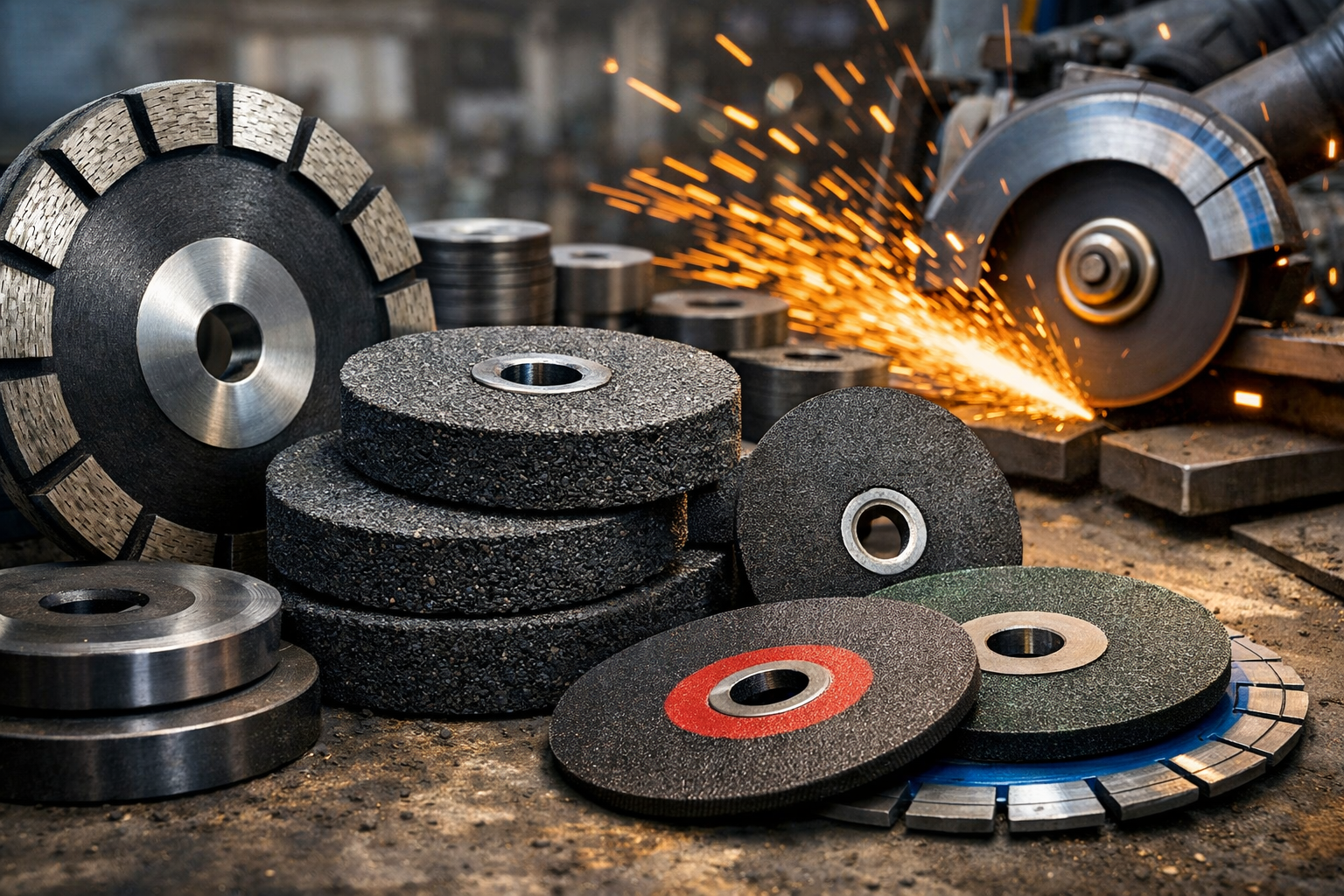
It usually starts after a failed shipment. A buyer switches suppliers thinking cost savings will hold, and within weeks, wheels begin to wear unevenly across batches. Production slows. Complaints rise. And suddenly, the sourcing decision is under scrutiny.
That’s where Cutting Wheel Manufacturers in India have quietly changed the conversation. Not by being the cheapest—but by improving consistency where it actually matters: batch stability, export compliance, and predictable performance across volume orders.
And yet, many buyers still evaluate suppliers the wrong way.
The Spec Detail Most Buyers Skip When Ordering Cutting Wheel
Abrasive Grain Quality Isn’t Uniform
Most Cutting Wheel Manufacturers in India use aluminium oxide or silicon carbide. Sounds standard. But grain refinement levels differ. A slight variation—say 2%—can change cutting speed and wear rate noticeably in stainless or alloy steel jobs.
Bond Strength & Heat Resistance
Resin bonds dominate the Cutting Wheel segment. But not all hold up under continuous load. Wheels used in 8–10 hour shifts often fail early if the bonding isn’t calibrated properly for heat.
Reinforcement Layers Matter More Than You Think
Double fiberglass reinforcement increases durability. Many Cutting Wheel Dealers won’t mention it unless asked. And that omission shows up later as breakage during high-speed operations.
RPM Ratings vs Machine Reality
On paper, RPM alignment looks correct. On the floor, grinders fluctuate. That mismatch leads to premature wear—even when specs technically match.
Overlooked Detail: Storage Life
Resin-based Cutting Wheel products don’t last forever. Most have a 18–24 month shelf life. Poor storage at dealer level means you could be buying already-degraded wheels.
How to Evaluate Any Supplier Without Regret
- Ask for real batch data, not sample performance A bad answer: “All batches are same quality.” That’s not measurable. That’s guesswork.
- Check certification dates carefully Many Cutting Wheel Manufacturers in India display ISO or EN certifications—but some are expired. That risk sits with you once shipment arrives.
- Demand defect tracking records If a supplier doesn’t track failure rates, they’re not controlling production—they’re reacting to complaints.
- Review packaging for export conditions Weak packaging increases breakage by up to 7% in transit. Some Cutting Wheel Dealers underestimate this completely.
- Understand sourcing stability Raw material delays—especially abrasive grains—can stretch lead times by 10–14 days. Good suppliers plan ahead.
A supplier who avoids specifics isn’t being cautious—they’re avoiding accountability.
Where Cutting Wheel Manufacturers in India Actually Reduce Buyer Risk
Cost Per Cut Improves, Not Just Pricing
The best Cutting Wheel Manufacturers in India focus on performance per unit, not just cost per piece. That difference often improves operational efficiency by 12–18%.
Export-Oriented Production Improves Consistency
Suppliers exporting regularly tend to maintain tighter process control. Many also manufacture Granite Grinding Wheel products alongside cutting wheels, which pushes higher production discipline.
Faster Lead Times
Production timelines have improved significantly. Many suppliers now deliver within 18–22 days compared to older 30-day cycles.
Compliance Is Catching Up Fast
Top-tier Cutting Wheel Manufacturers in India are aligning with European safety standards. That matters for buyers exporting finished goods.
Wider Product Range from Single Vendors
Many buyers now source both Granite Grinding Wheel and cutting wheels from the same supplier. It reduces coordination issues across vendors.
Logistics Advantage
Clusters near ports reduce inland delays. This matters more than buyers expect—especially during peak export cycles.
Why Location Shapes Supply Reliability More Than Price
Most Granite Grinding Wheel Manufacturers and Cutting Wheel Manufacturers in India operate from Gujarat, Maharashtra, and Rajasthan.
Here’s the practical impact:
- Gujarat-based units benefit from proximity to Mundra Port, reducing export delays
- Maharashtra offers strong industrial infrastructure but slightly higher costs
- Rajasthan suppliers are closely linked with stone processing industries, strengthening the network for Granite Grinding Wheel Suppliers
And yet, buyers still shortlist vendors based on quotations alone.
That approach usually backfires.
About Ultra Touch
We’ve seen shipments rejected over details most suppliers ignore. A 0.3 mm thickness variation once caused uneven cutting speeds across an entire batch. The buyer caught it. The supplier didn’t.
At Ultra Touch, we track every batch against real usage feedback. We supply both Cutting Wheel and Granite Grinding Wheel products across multiple markets. In 2021, we replaced a bonding material after repeated complaints from heavy-duty users. It wasn’t easy. It delayed production for weeks.
But it fixed the issue long-term.
If you're evaluating Cutting Wheel Manufacturers in India, vague inquiries slow everything down.
Send us:
- Wheel size and thickness
- Application type (metal, stone, mixed)
- Machine RPM range
- Monthly volume (MOQ: 5,000 units)
- Delivery location
We respond within 24 hours. If your specs don’t align with actual use, we’ll flag it before quoting.
Conclusion
The rise of Cutting Wheel Manufacturers in India isn’t accidental. It’s driven by better process control, improved export standards, and suppliers learning from real-world failures.
Which means buyers who evaluate properly are getting more predictable results—not just lower prices.
And the next shift won’t be about cost. It’ll be about which suppliers can maintain consistency at scale.
FAQs
1. How do Cutting Wheel Dealers differ from manufacturers?
Dealers handle distribution and stock. Manufacturers control production. If consistency matters, always verify the source behind the dealer.
2. Are Granite Grinding Wheel Suppliers reliable for industrial use?
Some are highly reliable, especially those working with export clients. Others may struggle with consistency depending on scale.
3. Can one supplier provide both Granite Grinding Wheel and Cutting Wheel?
Yes, many do. But check if they have dedicated production lines. Shared setups can affect quality.
4. Do Granite Grinding Wheel Manufacturers follow the same standards as cutting wheel producers?
Not always. Grinding wheels require different specifications. Some manufacturers handle both well, others don’t.
5. Is switching Cutting Wheel Dealers risky?
It can be. Especially if you don’t verify storage conditions and inventory age. Older stock often leads to performance issues.





.webp)

