Sign up with Google
 Sign in with Zoho

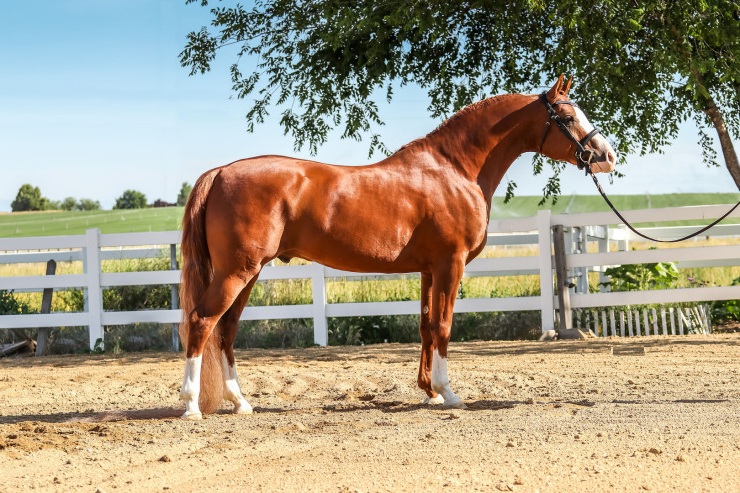
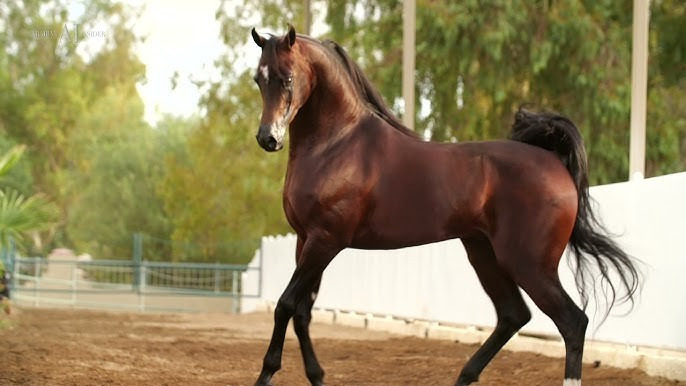
You can spot a true Arabian from across the field. That refined head, the floating stride, the quiet confidence. But have you ever wondered who preserved that look through generations? That is where CMK Bloodlines Arabian Horses step in. Rooted in history and shaped by careful breeding, these lines still guide how you choose, breed, and value Arabian horses today.
Where Did CMK Bloodlines Begin?
CMK stands for Crabbet, Maynesboro, and Kellogg. These were not just farms. They were vision-driven programs. The Crabbet Park program, led by Wilfrid Blunt and Lady Anne Blunt, imported desert-bred horses. Later, W.K. Kellogg expanded this vision in the United States. Together, they built a foundation that still shapes the breed.
What Makes CMK Type So Recognizable?
When you think of classic Arabian type, think of balance. CMK horses carry refined heads, strong backs, and fluid motion. They are not extreme. They are functional. You get beauty with purpose. This is why breeders trust CMK Bloodlines Arabian Horses when aiming for horses that perform as well as they look, whether in endurance, halter, or family riding.
Which Bloodlines Defined This Legacy?
Certain names keep showing up in pedigrees. Azraff is one of them. He brought consistency, strength, and a classic look. Then comes Ferzon, known for passing on athletic ability and clean structure. When you study these lines, you start to see patterns. Strong hips, good minds, and horses that stay sound for years.
How Did Breeders Protect These Traits?
It was never by accident. Breeders made careful pairings. They avoided trends that pushed extremes. Instead, they focused on balance and longevity. Many Traditional Arabian Breeding Farms still follow this path today. They track pedigrees closely, study performance records, and select horses that match both type and temperament. It is slow work, but it pays off.
What Role Do Modern Farms Play Today?
Today, smaller family-run farms carry this legacy forward. They do more than breed. They educate. They match horses with riders. They share full lineage details so you know exactly what you are investing in. According to the Arabian Horse Association, over one million Arabian horses have been registered in North America as of 2024. Yet, only a focused group continues to preserve the true CMK type.
Why Should You Care as a Buyer or Breeder?
Because not all Arabians are bred the same. If you want a horse that ages well, performs across disciplines, and holds value, lineage matters. CMK-based horses often bring predictability. You know what you are getting. That matters whether you are buying your first horse or planning your next breeding.
How Can You Identify a Genuine CMK Influence?
Start with the pedigree. Look for names like Azraff or Ferzon. Then observe the horse. Does it move freely? Does it carry itself with ease? Finally, ask questions. A good breeder will walk you through the history, not just the price. That transparency builds trust and helps you make better decisions.
Conclusion
The story of CMK bloodlines is not just about the past. It is about choices you make today. When you select horses with strong heritage, you protect what made the Arabian breed special in the first place. And in doing so, you keep that classic type alive for the next generation to admire, ride, and cherish.