
 Sign up with Google
 Sign in with Zoho
If you've been pouring money into Google Local Service Ads and still watching your phone sit silent, you're not alone. A lot of local business owners I've spoken with blame their budget, but honestly, budget is rarely the real problem. The issue is almost always about how the account is set up and managed, not how much is being spent.
I've seen plumbing companies with a $300/month budget consistently outrank competitors spending $3,000. Why? Because they understood how LSA rankings actually work. Let me walk you through it.
First, What Makes LSAs Different?
Unlike regular Google Ads, where you pay every time someone clicks, Local Service Ads charge you only when someone actually contacts your business by phone call, a message, or a booking request. That's a fundamentally different model, and it changes everything about how you should approach them.
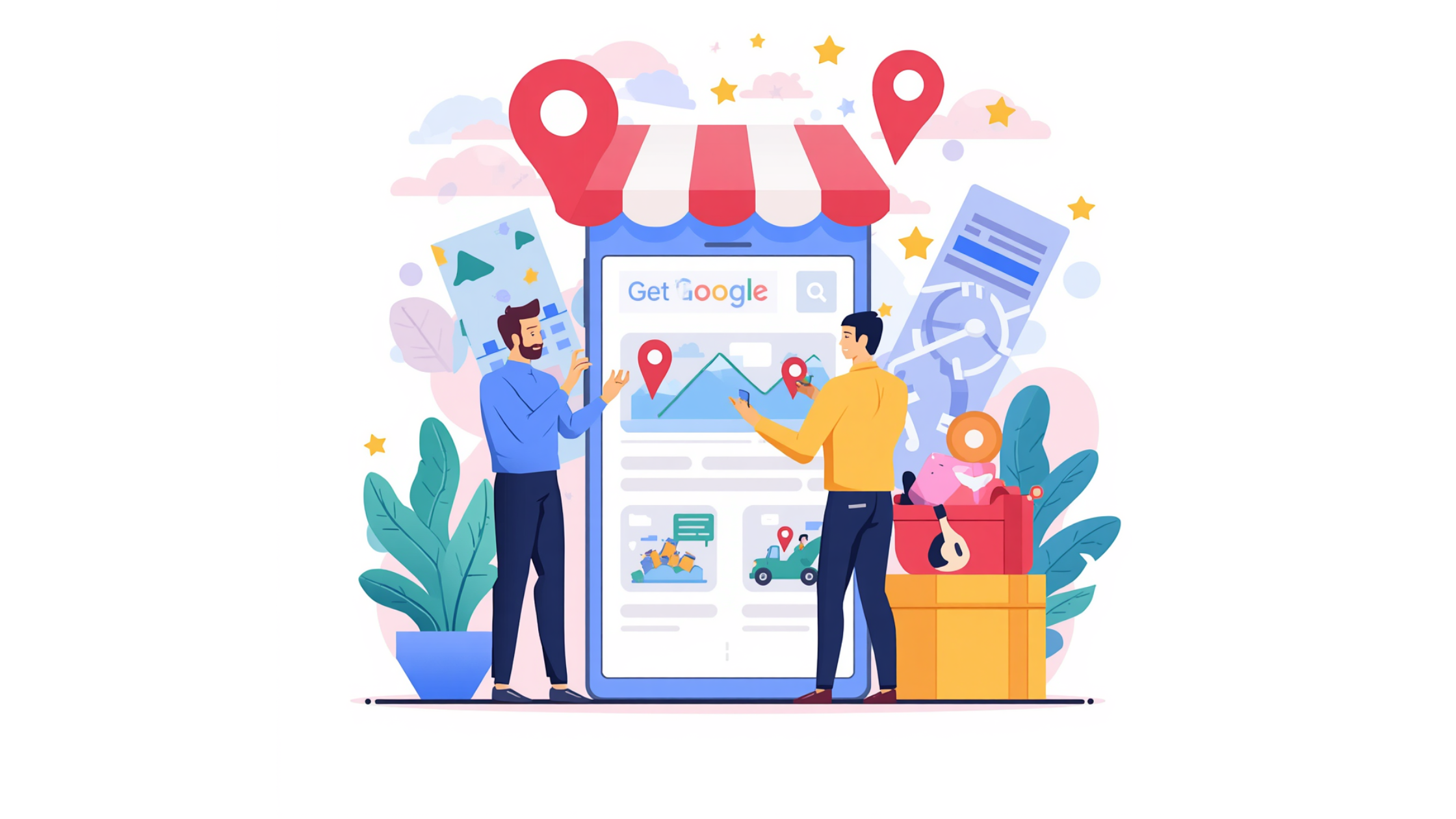
LSAs appear right at the top of the search results page, above regular ads and organic results. They display your business name, star rating, review count, your service area, and whether you carry a Google Guaranteed badge. Customers looking for immediate help with a burst pipe, a car breakdown, or an HVAC failure in July are going to click whatever's at the top. That's the real estate you want.
Why Your Ranking Position Actually Matters
Here's something worth sitting with: when someone sees a business ranked #1 in Local Service Ads, they instinctively assume that business is more trustworthy, more reliable, and better reviewed than the ones below it. It's a psychological shortcut, and it works in your favor if you're at the top.
Businesses that consistently rank high tend to see more calls, more booked jobs, and better lead quality, not because they have a bigger ad budget, but because Google is essentially endorsing them. Low-ranked businesses, even with solid services, often lose customers before those customers ever read a single review.
What Actually Drives Your LSA Ranking
1. Reviews Both the Number and the Freshness
Google pays close attention to reviews. Not just how many you have, but how recently they've been coming in. A business with 200 reviews collected over three years may actually rank below a competitor with 80 reviews but 10 new ones every month.
The businesses that do this best don't wait and hope. They build review collection into their process:
- A technician who just finished a job says, "Hey, if we did a good job today, would you mind leaving us a quick Google review? It really helps us out."
- A follow-up text goes out an hour after service: "Thanks for choosing us today. Here's a direct link if you'd like to share your experience."
- Negative reviews get a calm, professional response, not defensive, not dismissive. Google notices engagement.
What you should never do: fake reviews, buy reviews, or ask employees to post them. Google's gotten quite good at detecting this, and the penalties aren't worth it.
2. How Fast You Pick Up the Phone
This one surprises people, but response time is a significant ranking signal. If you're regularly missing calls, letting messages sit for hours, or showing "closed" when customers are trying to reach you during your listed hours, Google interprets that as poor service and bumps you down.
For urgent-service businesses (emergency plumbing, roadside assistance, locksmithing), this is especially critical. Someone who needs help right now will skip past the business that doesn't answer and call the next one. Google learns from this behavior.
Practical fixes: set up call forwarding if you're often in the field, ensure your hours are accurate to the day, and, if you use a call center, make sure they know how to represent your business.
3. A Complete and Current Google Business Profile
An incomplete profile is a silent killer for LSA performance. Google is trying to verify that you're a real, legitimate, active business, and gaps in your profile create doubt.
Make sure these are always current:
- Your service area (don't make it too broad relevance matters)
- Business hours, including holidays
- Contact information that matches what's on your website
- A genuine description of what you do
- Service categories (more on this below)
- Real photos of your team, vehicles, or workspace
Even small inconsistencies, such as a phone number that differs between your website and your profile, for instance, can affect how Google scores your trustworthiness.
4. Your Reputation Across the Web
Google doesn't just look at what you put on your own profile. It cross-references your business against Yelp, Facebook, BBB listings, local business directories, and industry-specific platforms. The more consistent and positive your presence is across these channels, the more confident Google is that you're a legitimate business worth promoting.
This doesn't mean you need to be everywhere. Pick three or four platforms that make sense for your industry and keep them updated and engaged.
5. Smart Budget Management (Not Just a Bigger Budget)
Here's something counterintuitive: simply increasing your LSA budget often doesn't improve rankings. What matters more is the quality and conversion rate of the leads you're generating.
Think about it this way if you run an auto repair shop and your brake service jobs have a 60% booking rate while your transmission diagnostic leads only convert at 20%, shifting budget toward brake services is going to improve your overall performance metrics. Google rewards accounts with strong lead-to-booking conversion rates.
Other things worth monitoring: the ratio of spam leads to real leads, your cost per booked appointment, and how demand shifts seasonally in your area.
6. Your Booking Rate Matters More Than Most People Realize
Google tracks what happens after someone contacts you through an LSA. If many leads result in booked jobs, that's a strong signal that your business delivers on its promise. If most leads go nowhere, Google starts to question whether you're the right fit for those searches.
Improving your booking rate doesn't require a complete overhaul. Small things help:
- Answer calls with a clear greeting and a genuine willingness to help
- Have your pricing or at least your pricing structure ready to discuss
- Don't make customers jump through hoops to schedule if booking feels complicated, they'll call someone else
- Follow up on messages promptly, even if it's just to say "we'll have someone call you within the hour."
7. Choosing the Right Service Categories
This is an area where many businesses quietly sabotage themselves. If you select overly broad categories, you end up competing for searches where you're not the best match, which hurts your conversion rates. Lower conversion rates hurt your ranking.
Be specific. If you specialize in residential electrical work, choose "residential electrical work" over just "electrician." If your automotive shop is particularly strong on brakes and suspension, prioritize those over generic "auto repair." Narrower targeting tends to produce higher-quality leads for customers who actually need what you do best.
8. Mobile Experience Still Gets Overlooked
The majority of people searching for local services are doing it on their phones. If your landing page loads slowly, if your phone number isn't clickable, if the page is hard to navigate on a 6-inch screen, you're losing people who were already interested.
LSAs display directly in Google, but many customers will visit your website before calling. Make that experience fast and frictionless. A click-to-call button, a brief explanation of what you do, and a few photos go a long way.
9. Real Photos Build Trust Faster Than Anything
Generic stock photos don't build trust, they raise questions. Real photos of your team, vehicles, workspace, or before-and-after shots of your work tell a customer: this is a real business staffed by real people who do real work.
You don't need professional photography. A few clear, well-lit photos taken on a smartphone are far better than polished stock imagery that could belong to anyone.
10. Keep an Eye on What Your Competitors Are Doing
Competitive analysis isn't about copying, it's about identifying gaps. If a competitor in your area is growing their review count every month, they've clearly got a system. If they're answering questions through their profile, they're engaging in a way that signals activity to Google.
Look at what's working for the businesses ranking above you, and ask yourself whether you're doing the same things.
Common Mistakes That Hold Rankings Back
Most ranking problems come down to a handful of recurring issues:
- Not following up on leads quickly enough
- Ignoring or not responding to negative reviews
- Having inaccurate or incomplete business information
- Selecting service categories that are too broad
- Not tracking which leads actually convert into booked jobs
None of these is complicated to fix; they just require consistent attention.
The Bottom Line
Ranking well in Google Local Service Ads isn't about having the biggest budget or gaming the system. It's about running a responsive, well-reviewed, accurately presented business and making sure Google can see evidence of that across every touchpoint it checks.
The businesses that dominate LSA rankings in their markets aren't necessarily the biggest or the most established. They're the ones who treat every lead seriously, consistently ask for reviews, keep their information accurate, and pay attention to what their customers actually experience. Do those things, and the rankings tend to follow.