Sign up with Google
 Sign in with Zoho

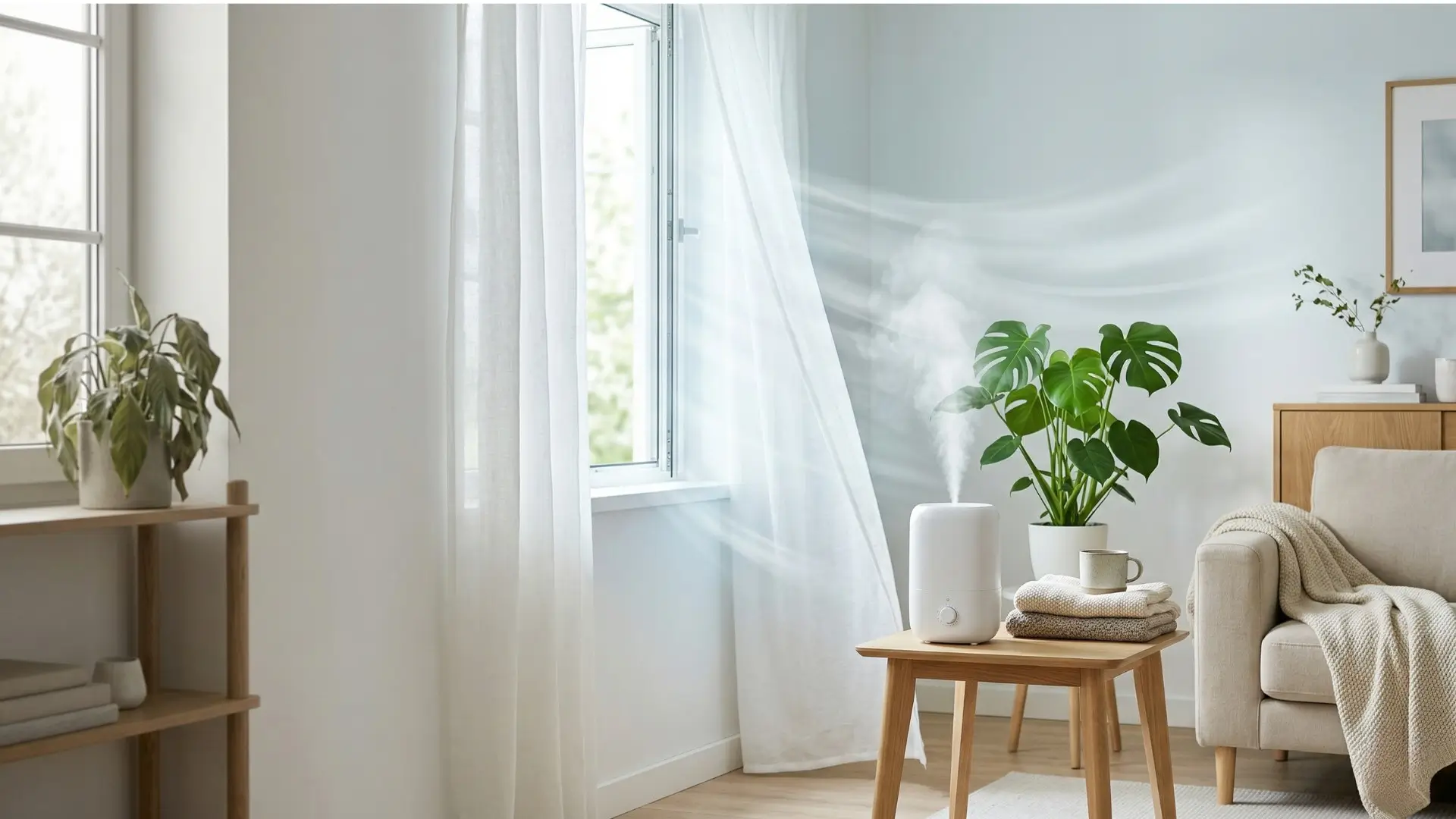
Indoor air quality is not just about comfort. It directly affects your health, sleep quality, energy levels, and even how your home ages over time. Yet most homeowners confuse three commonly recommended solutions: humidifiers, air purifiers, and ventilation systems.
They are not interchangeable. Each solves a different problem. If you choose the wrong one, you waste money and still breathe poor air.
Before you decide, it is worth understanding how these systems actually work and when each one makes sense. If you want a deeper look at combined solutions, this guide on <Benefits of Installing a Humidifier and Ventilation explains how they can work together.
Why Indoor Air Quality Matters More Than You Think
Most people assume outdoor pollution is the main concern. In reality, indoor air can be worse. Dust, pet dander, mold spores, cooking fumes, and chemical pollutants get trapped inside modern airtight homes.
On top of that, humidity levels fluctuate depending on climate and HVAC usage. Dry air causes irritation, while excess moisture leads to mold and bacteria growth.
This is where the confusion starts. People try to fix all these issues with one device. That approach does not work.
You need to match the solution to the problem.
What a Humidifier Actually Does
A humidifier adds moisture to the air. That is its only job.
When You Need a Humidifier
- Dry skin, chapped lips, or irritated eyes
- Frequent nosebleeds or sinus discomfort
- Static electricity in your home
- Wooden furniture cracking or warping
- Increased discomfort during winter or AC use
Dry indoor air is common in air conditioned homes and colder climates. When humidity drops below 30 percent, it starts affecting both comfort and health.
What It Does Not Do
A humidifier does not clean the air. It does not remove dust, allergens, or odors. If your air is polluted, adding moisture alone will not fix it.
Bottom Line
Use a humidifier when the air is too dry. Do not expect it to solve air quality problems.
What an Air Purifier Actually Does
An air purifier removes contaminants from the air. It is designed to trap particles like dust, pollen, smoke, and pet dander.
When You Need an Air Purifier
- Allergies or asthma symptoms
- Noticeable dust buildup indoors
- Pet hair and dander issues
- Exposure to smoke or urban pollution
- Lingering indoor odors
Most high quality purifiers use HEPA filters, which can capture very fine particles. Some also include activated carbon filters for odors and gases.
What It Does Not Do
An air purifier does not control humidity. If your air is dry or overly humid, it will not fix that imbalance.
Bottom Line
Use an air purifier when your air is contaminated. It improves what you breathe, not how the air feels.
What a Ventilation System Actually Does
Ventilation systems bring fresh outdoor air inside and push stale indoor air out. This is the most overlooked and often the most important solution.
When You Need a Ventilation System
- Stuffy or stale indoor air
- High indoor humidity or condensation
- Mold or mildew concerns
- Strong indoor odors that linger
- Poor airflow in tightly sealed homes
Modern homes are built to be energy efficient, which means they trap air inside. Without proper ventilation, pollutants build up over time.
Systems like ERVs and HRVs exchange indoor and outdoor air while maintaining energy efficiency.
What It Does Not Do
Ventilation does not filter air as effectively as a purifier, and it does not directly add moisture like a humidifier.
Bottom Line
Use ventilation when your home lacks fresh air exchange. It is the foundation of healthy indoor air.
The Biggest Mistake Homeowners Make
Trying to solve everything with one device.
This is where most people go wrong. They buy an air purifier expecting relief from dry air. Or they install a humidifier hoping it will reduce allergies.
It does not work that way.
Each system addresses a different layer of the problem:
- Humidifier fixes moisture levels
- Air purifier cleans particles and pollutants
- Ventilation refreshes the air itself
If you ignore one of these aspects, you are only partially fixing the issue.
How to Decide What You Really Need
Start by identifying your primary problem. Not what you think you need, but what symptoms your home is showing.
Step 1: Check Humidity
- Below 30 percent: you need a humidifier
- Above 60 percent: you need dehumidification or better ventilation
Step 2: Assess Air Quality
- Dust, allergies, or smoke: you need an air purifier
Step 3: Evaluate Airflow
- Stale air, odors, or condensation: you need ventilation
Step 4: Combine When Necessary
In many homes, especially in urban areas or tightly sealed buildings, one solution is not enough.
For example:
- Dry air + dust issues = humidifier + air purifier
- Stale air + high humidity = ventilation system
- Full indoor air quality upgrade = all three working together
Real World Scenarios
Scenario 1: Apartment in a City
You are dealing with pollution, dust, and possibly smoke.
What you need:
- Air purifier as the priority
- Optional ventilation if airflow is poor
Scenario 2: Air Conditioned Home with Dry Air
Common in hot climates where AC runs constantly.
What you need:
- Humidifier to restore moisture balance
Scenario 3: New Airtight Home
Modern construction often traps air inside.
What you need:
- Ventilation system first
- Then add purifier if needed
Scenario 4: Allergy Sufferer
Dust mites, pollen, and pet dander are the main triggers.
What you need:
- Air purifier
- Possibly humidity control depending on conditions
Cost vs Value Perspective
If you are thinking short term, you might choose the cheapest device.
That is a mistake.
Poor indoor air leads to:
- Health issues
- Higher HVAC strain
- Mold damage
- Reduced comfort
A properly planned combination of systems is not an expense. It is a long term investment in your home and health.
Final Verdict
There is no universal winner between a humidifier, air purifier, and ventilation system.
Each solves a different problem:
- Choose a humidifier if your air feels dry and uncomfortable
- Choose an air purifier if your air is polluted
- Choose a ventilation system if your home lacks fresh airflow
If you are serious about indoor air quality, you will likely need a combination.
Stop guessing. Identify the actual problem first. Then choose the solution that directly addresses it. That is the only way to fix indoor air properly instead of throwing money at the wrong device.