 Sign up with Google
 Sign in with Zoho

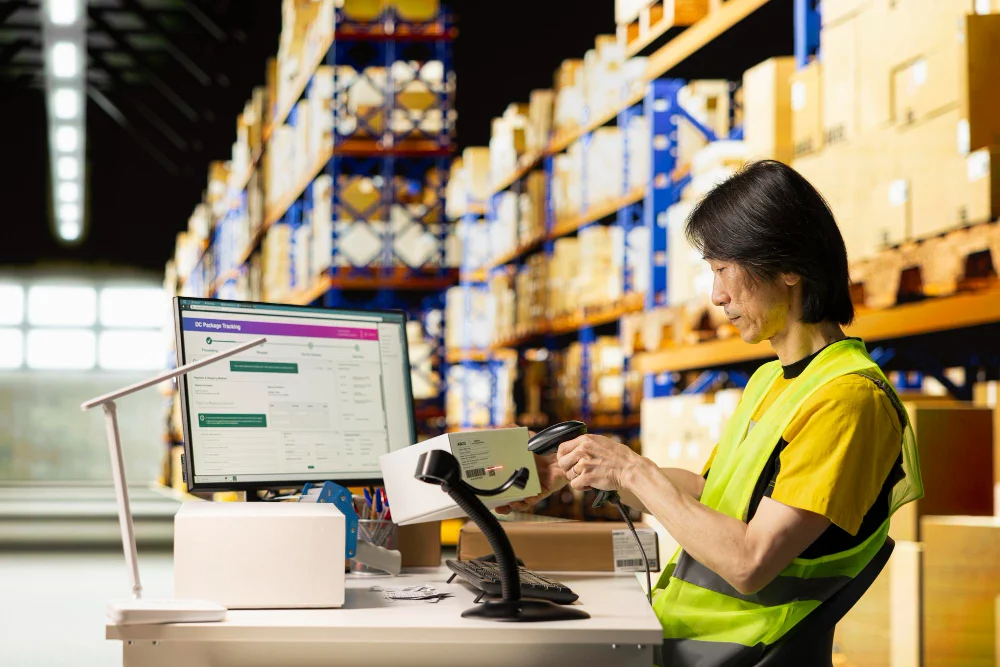
Retail inventory management involves much more than counting products. Businesses need to know what is available, where products are located, when stock should be reordered, and how inventory changes as customers make purchases or return products.
These activities can become increasingly difficult as a retailer adds more products, locations, and sales channels. Retail Inventory Management Software can help businesses organize inventory information and create more consistent processes.
Why Inventory Accuracy Matters
Inventory accuracy affects almost every part of retail operations. If a system indicates that a product is available when it is actually out of stock, customers may place orders that cannot be fulfilled.
Overstock can create a different problem. Products that remain unsold for long periods occupy storage space and tie up business resources.
Accurate inventory records help retailers maintain a better balance between product availability and stock levels.
Centralizing Inventory Information
A centralized inventory system can bring information from different parts of the business into one place. Employees can use the system to monitor stock levels, product movements, purchases, and orders.
This can be particularly useful for retailers that operate multiple stores or warehouses. Instead of checking separate records, managers can work with a broader view of inventory.
Managing Multiple Locations
Retailers with several locations may need to move products between stores based on customer demand. Without centralized information, determining where inventory is available can take additional time.
Inventory software can help managers identify available stock across locations and coordinate transfers when required.
Connecting Purchasing With Inventory
Purchasing decisions are closely connected to inventory levels. Businesses need enough products to meet demand while avoiding unnecessary purchases.
Inventory data can help purchasing teams identify products approaching their reorder levels. Information about product movement can also provide useful context when determining which products need additional stock.
Supporting Ecommerce Operations
Retail businesses increasingly combine physical stores with ecommerce channels. This creates additional inventory management requirements.
When customers purchase products online, available stock needs to be updated accurately. Otherwise, businesses may face overselling or fulfillment delays.
Connecting ecommerce activity with inventory information can help maintain more consistent stock records.
Using Technology to Improve Visibility
Modern inventory systems can provide reports and dashboards that help managers understand what is happening with their stock.
Businesses can review inventory levels, product movement, purchasing activity, and sales data. These insights can help identify slow-moving products and support better purchasing decisions.
Some businesses are also exploring artificial intelligence and automation to improve inventory forecasting and replenishment planning.
What to Look For in Inventory Software
The right system depends on each retailer's requirements. However, useful capabilities can include:
- Real-time inventory tracking
- Multi-location inventory management
- Product and SKU management
- Purchase order support
- Sales and order integration
- Barcode capabilities
- Inventory reporting
- Warehouse connectivity
- Ecommerce integration
- Scalability
Retailers should also consider usability. Software that is difficult for employees to understand can create problems even when it provides extensive functionality.
Conclusion
Retail inventory management requires accurate information and consistent processes. As businesses grow, technology can help reduce manual work and provide better visibility into stock activity.
Retail Inventory Management Software can support inventory tracking, purchasing, sales, warehouse operations, and reporting from a more centralized environment. By assessing their specific needs and comparing relevant capabilities, retailers can build a more organized approach to inventory management.