Sign up with Google
 Sign in with Zoho
.webp)
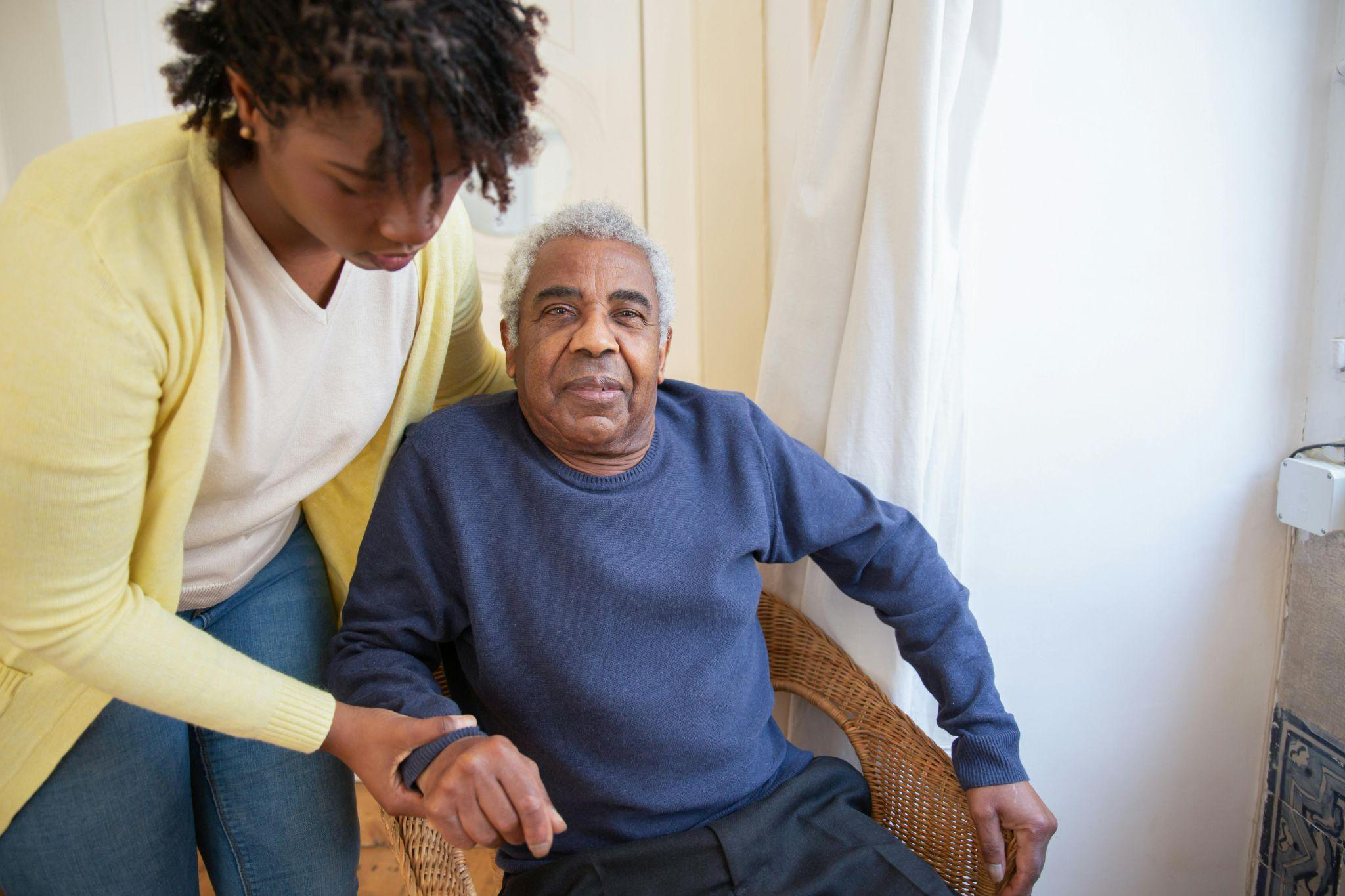
Cognitive decline often begins subtly, making it difficult for families to recognize the earliest signs. Memory lapses that seem harmless at first may actually indicate the need for professional support, especially when they begin to affect daily life, safety, and independence.
Identifying these early indicators is crucial because timely intervention can slow progression, reduce stress, and improve quality of life for both seniors and their families. This guide highlights five common early signs that suggest your loved one may benefit from specialized memory care, while also explaining why early action matters and how in-home support can help.
1. Frequent Memory Lapses That Affect Daily Activities
Forgetting names, appointments, or recent conversations occasionally is normal with age. However, when memory lapses become frequent enough to interfere with daily routines, like forgetting to take medications, misplacing essential items, or repeating questions, this could signal the early stages of cognitive decline.
Research notes that memory loss impacting everyday life is often one of the first red flags of dementia or Alzheimer’s disease.
Services such as dementia and memory care can provide structured routines, reminders, and supervision, ensuring safety while helping seniors maintain independence.
2. Difficulty Performing Familiar Tasks
Seniors may begin struggling with tasks they have done for years, such as cooking, managing finances, or driving familiar routes. These challenges often emerge gradually and can be mistaken for simple forgetfulness or fatigue.
According to studies, changes in the ability to perform routine activities can indicate early cognitive impairment, particularly when accompanied by confusion or frustration.
Professional in-home support, including senior care at home, can help seniors continue daily activities safely while minimizing the risks associated with cognitive decline.
3. Increased Confusion with Time or Place
Another early sign is disorientation to time or place. Seniors may forget the day, season, or location of familiar settings, sometimes even within their own home. These lapses can be particularly dangerous if they lead to wandering or unsafe behaviors.
Research emphasizes that early recognition of disorientation allows caregivers to implement safety measures and structured routines that help reduce anxiety and prevent accidents.
Care programs like 24-hour home care offer continuous supervision and safety monitoring, giving families peace of mind while seniors remain in familiar surroundings.
4. Changes in Mood, Personality, or Social Engagement
Subtle shifts in mood, such as increased irritability, withdrawal from social activities, or unexplained anxiety, can be early signs of memory issues. Seniors may also exhibit unusual behaviors or lose interest in hobbies they once enjoyed.
Emotional changes often accompany cognitive decline and can significantly impact a senior’s quality of life if not addressed early.
Specialized support, like live-in caregivers, can provide companionship, structured social interaction, and emotional support, helping seniors maintain mental and emotional well-being.
5. Trouble with Communication and Language
Early cognitive decline may also affect communication. Seniors might struggle to find the right words, follow conversations, or express themselves clearly, which can lead to frustration and isolation.
Language difficulties, particularly when combined with memory and judgment changes, are a key indicator of potential dementia or Alzheimer’s disease.
Specialized home care services provide tailored activities that encourage communication, cognitive stimulation, and safe interaction, which can slow decline and enhance quality of life.
Why Early Intervention Matters
Recognizing these early signs allows families to seek help before cognitive decline significantly affects safety, health, and independence. Early intervention provides multiple benefits:
● Safety: Prevents falls, wandering, and medication errors.
● Health Outcomes: Supports consistent treatment adherence and management of chronic conditions.
● Emotional Well-Being: Reduces stress, anxiety, and feelings of isolation.
● Family Support: Gives caregivers guidance, resources, and relief from the emotional burden of managing care alone.
Compassionate Memory Care That Starts at Home
When caring for a loved one with memory challenges, the right support can make all the difference in maintaining comfort, safety, and dignity.
Live Easy Home Care offers thoughtful, personalized services designed to meet the evolving needs of seniors experiencing cognitive decline, with specialized options like dementia and memory care at home that focus on structured routines and emotional reassurance. Their experienced team provides hands-on assistance through services such as 24-hour home care and live-in caregivers, ensuring consistent care that adapts to each individual’s condition and lifestyle.
With a commitment to delivering specialized in-home care and support from experienced caregivers, every care plan is built around real-life needs, helping seniors remain in familiar surroundings while receiving attentive, compassionate care.
If you're exploring senior care in Bergen County at home, Live Easy Home Care helps families navigate memory care with clarity and confidence.
Ready to provide your loved one with the support they deserve? Contact Live Easy Home Care today and discover how personalized in-home care can create a safer, calmer, and more reassuring daily experience.