Sign up with Google
 Sign in with Zoho

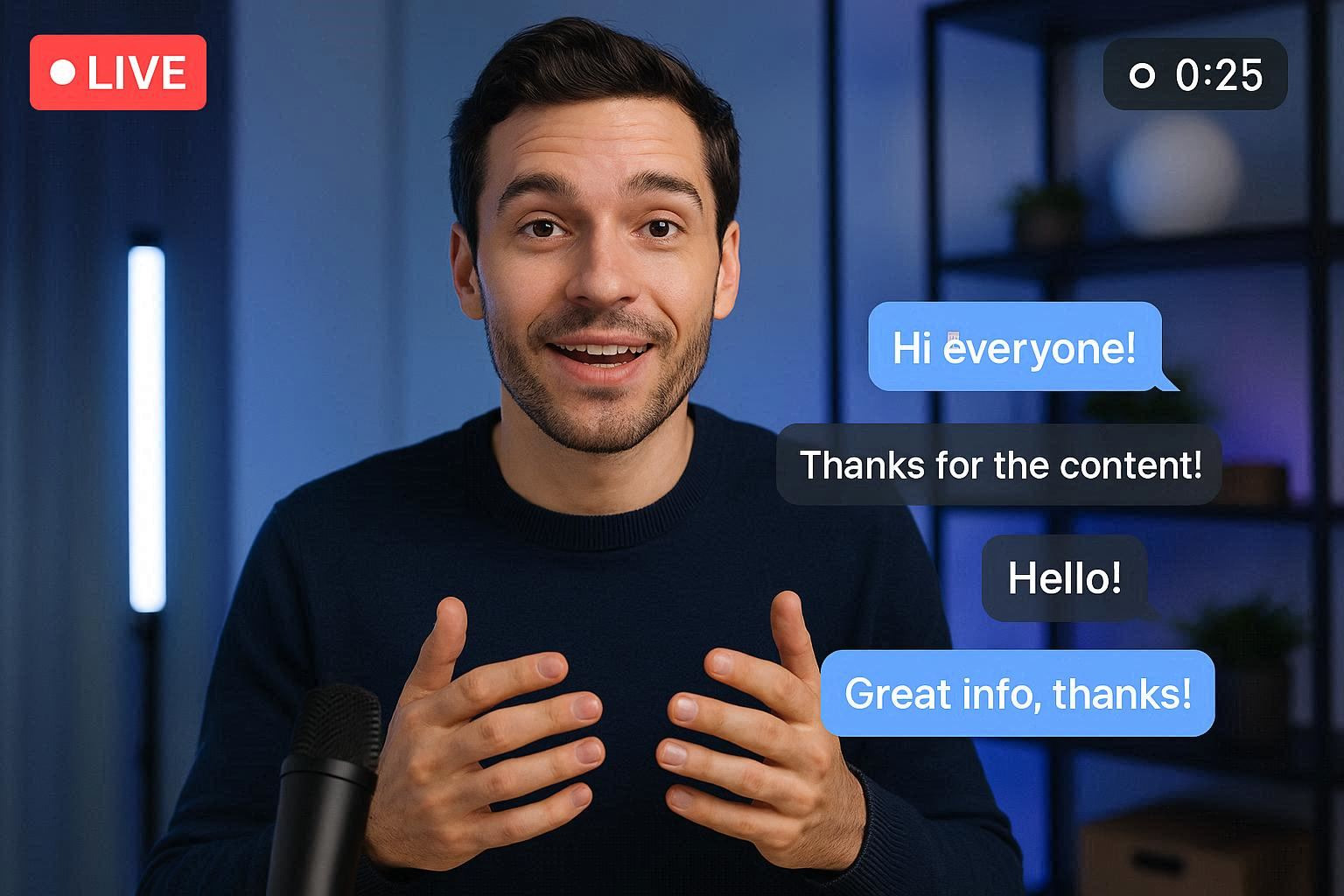
Live video has changed. Viewers no longer show up just to watch—they show up to participate. They want to react in the moment, ask questions, vote in polls, and feel the energy of a shared experience. And when your stream lags behind that conversation, the spell breaks instantly.
As we move toward 2026, “good enough” latency isn’t good enough anymore. If your audience sees the action 10–20 seconds after it happens, you’re not hosting an event—you’re broadcasting a delayed replay.
Why Latency Is Now a Business Metric (Not Just a Tech Detail)
Latency is the time gap between what happens on camera and what the viewer sees. For years, platforms tried to mask delay with higher quality. But modern audiences care about timing more than ever, especially when the content is interactive.
That’s why low latency live streaming is becoming the standard for experiences where real-time matters:
- Live shopping where comments drive purchases
- Auctions and bidding where seconds change outcomes
- Sports and watch parties where spoilers kill engagement
- Webinars with live Q&A and audience polls
- Online classes and coaching where feedback must be immediate
When the stream is close to real-time, chat and video sync naturally. The host responds faster, the audience stays longer, and the entire session feels more human.
The Real Benefits You’ll Notice Right Away
Higher Engagement
People comment more when they know their message can be answered instantly. That back-and-forth is what turns passive viewers into a community.
Better Conversion Rates
In live commerce or lead-gen webinars, urgency is the fuel. Less delay means smoother buying decisions, fewer drop-offs, and more completed actions.
Stronger Trust
A near real-time experience feels authentic. When viewers can influence the flow of a session—questions answered on the spot, requests acknowledged—it builds credibility fast.
What You Need Behind the Scenes to Keep Streams Fast
Low latency isn’t one switch. It’s the result of smart streaming protocols, optimized encoding, and reliable delivery infrastructure. A stream can start out strong and still fall apart under load if the backbone can’t keep up.
This is where your on-demand content setup also matters. Many brands don’t just go live; they repurpose live sessions into evergreen assets—training libraries, replays, highlight clips, and paid content hubs. That workflow is much easier when your live and VOD strategy connect.
A dependable video hosting service helps you do more than store recordings. It supports organized libraries, secure playback, analytics, and smooth delivery for replays—so your live event keeps delivering value after the broadcast ends.
A Practical 2026 Workflow: Live First, Library Always
Here’s a simple approach that works for creators and businesses alike:
- Promote a scheduled live session (build anticipation and attendance)
- Run it with interactive moments (Q&A, polls, product demos)
- Instantly publish the replay for people who missed it
- Clip highlights into short-form content for social discovery
- Track performance using retention and engagement analytics
This turns one live event into a full content cycle—without doubling your workload.
Quick Checklist Before You Go Live
- Test your end-to-end delay (not just your internet speed)
- Prioritize clean audio—people forgive video, not sound
- Keep a backup connection ready (mobile hotspot can save you)
- Assign a moderator if chat is fast-moving
- Plan “interaction beats” every 3–5 minutes to keep energy up
Closing Thought
In 2026, the best live streams won’t feel like broadcasts. They’ll feel like conversations—fast, responsive, and shared. If you’re investing in live video, invest in the kind that keeps your audience in sync with the moment. Then make those moments last by turning every session into an on-demand asset your viewers can revisit anytime.