
 Sign up with Google
 Sign in with Zoho

It rarely begins with a full strategy, more like a growing realization
Most sports streaming journeys don’t start with a polished roadmap. They begin somewhere in the middle, maybe with recorded matches sitting on a hard drive, or a few live streams that performed better than expected. There’s a moment when the numbers look slightly different, engagement lasts longer, people start asking where else they can watch. That’s usually when the idea shifts from casual distribution to something more deliberate.
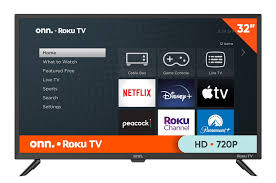
At that point, the question isn’t just about streaming anymore. It becomes something larger, something that feels closer to building a destination. That’s when creators and organizations start thinking about how to create Roku TV app experiences that feel complete, not just functional. And almost immediately, the complexity of doing everything from scratch becomes obvious.
That’s where a TV channel creator quietly changes the equation.
Moving from scattered content to a continuous viewing experience
There’s a difference between having sports content and running a sports channel, and it’s not always obvious until you try to make the transition. Individual uploads, even live streams, exist in isolation. They require the viewer to make choices, to search, to decide what to watch next. That works for some platforms, but on television, especially in a living room setting, behavior shifts.
People lean back. They expect something to already be playing.
A TV channel creator allows you to shape that experience by turning individual assets into a continuous stream. Matches can lead into highlights, which can transition into analysis or commentary, creating a flow that feels intentional rather than fragmented. Over time, that structure starts to resemble something closer to traditional broadcasting, but without the rigid constraints that used to define it.
This shift, from content to programming, is subtle but significant. It changes how viewers interact with your platform and how long they stay.
Why Roku becomes part of the conversation
Roku isn’t just another distribution option, it represents a different viewing environment altogether. Content consumed on a television screen carries different expectations compared to mobile or web. The experience needs to feel stable, predictable, and easy to navigate without effort.
When businesses decide to create Roku TV app platforms for sports streaming, they’re stepping into a space where convenience matters more than novelty. The viewer doesn’t want to explore endlessly. They want to find the match, press play, and stay there without interruption.
A TV channel creator supports this by providing a structured backend that aligns with how connected TV apps are meant to function. Instead of building every component manually, from playback systems to scheduling logic, the platform integrates these elements into a unified workflow. The technical depth still exists, but it becomes less of a barrier and more of a foundation.
The challenge of live sports, and why it changes everything
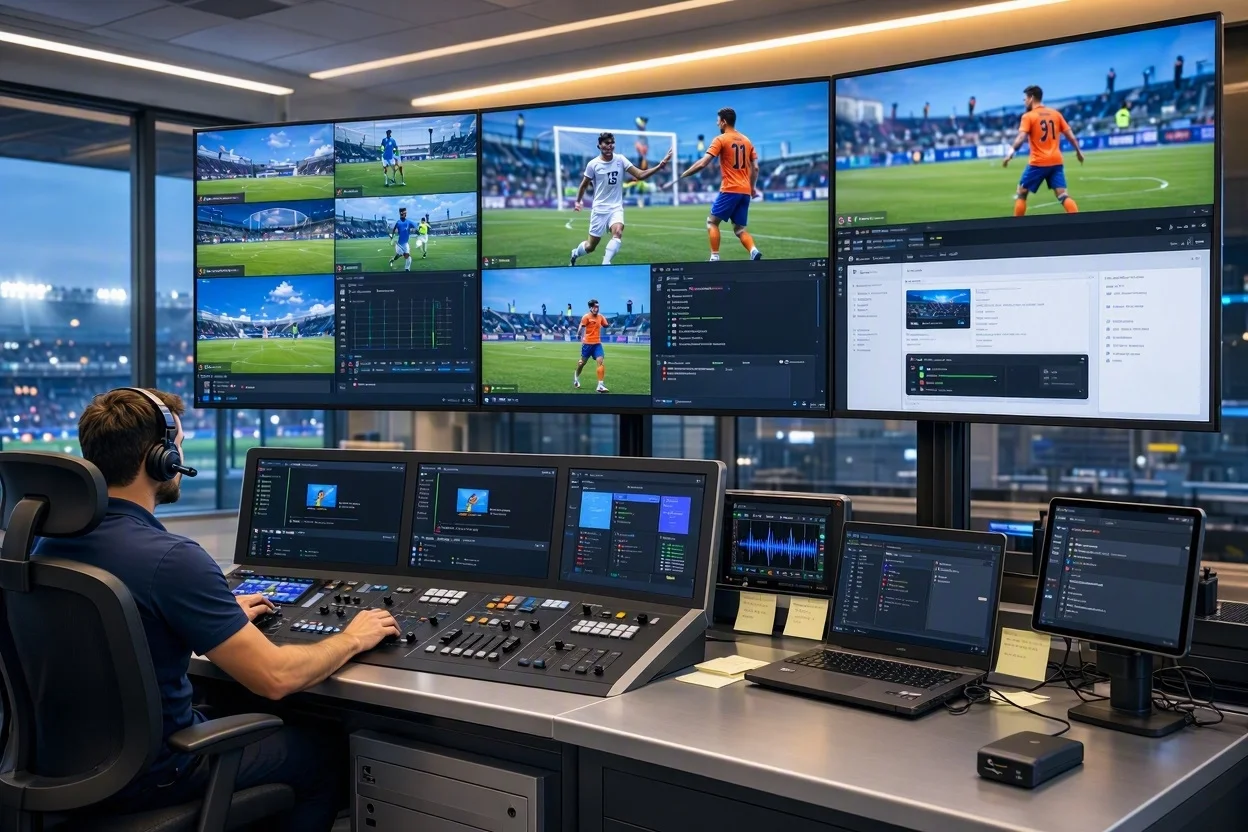
Sports content behaves differently from most other forms of media. It is time-sensitive, emotionally driven, and often unpredictable in terms of audience demand. A regular stream might attract a steady number of viewers, but a major match can cause a sudden spike that stresses the entire system.
Handling this requires infrastructure designed for real-time delivery. Live streaming systems must maintain low latency while supporting large numbers of concurrent viewers, ensuring that the experience remains consistent even under pressure. A delay of even a few seconds can feel noticeable in a sports context, especially when viewers are following the same event across different platforms.
A TV channel creator that integrates live streaming capabilities helps manage this complexity by combining encoding, delivery, and scheduling into a cohesive system. It doesn’t eliminate the challenges entirely, but it reduces the friction involved in handling them.
Designing for viewers who don’t want to think too much
One of the less obvious aspects of building a Roku app is understanding how little effort users want to spend navigating it. Unlike mobile apps, where exploration is common, TV interfaces are used in a more passive way. The viewer is often sitting at a distance, using a remote, expecting the experience to feel immediate.
This means design decisions need to prioritize clarity over creativity. The live stream should be easy to access, ideally within a single click. Replays and highlights should be organized in a way that feels natural, not buried under layers of menus. Even small delays in loading or confusing navigation can push users away faster than expected.
A TV channel creator typically provides pre-built templates that align with these expectations, but the responsibility of refining the experience still remains. It’s in these small adjustments that the app starts to feel polished rather than just functional.
Distribution, the part that quietly determines success
No matter how well the app is built, it only matters if people can access it reliably. This is where OTT delivery becomes essential. By distributing content over the internet rather than traditional broadcasting systems, OTT platforms allow sports streaming services to reach audiences across regions and devices without physical limitations.
This model relies on scalable infrastructure, often supported by content delivery networks, to ensure that streams are delivered efficiently even during peak demand. For sports content, where audience sizes can fluctuate dramatically, this scalability is not just beneficial, it’s necessary.
It allows smaller organizations to operate with a level of reach that was previously limited to major broadcasters, leveling the playing field in a way that wasn’t possible before.
Extending the life of content beyond the live event
One of the advantages of building a structured channel is what happens after the live event ends. Instead of disappearing, the content becomes part of an ongoing ecosystem. Matches can be replayed, highlights can be scheduled, and analysis can fill the gaps between major events.
This creates a sense of continuity that keeps viewers engaged even when there is no live action taking place. Over time, the channel develops a rhythm, a pattern that viewers become familiar with. It stops being just a place to watch a match and becomes a destination for sports content more broadly.
A TV channel creator makes this process easier by allowing content to be scheduled and reshaped without requiring constant manual effort. It turns what could be a fragmented library into a cohesive experience.
From idea to presence, the final transition
After development and testing, the app moves through Roku’s publishing process. This stage involves meeting platform guidelines, ensuring performance standards are met, and preparing the app for public availability. It’s a necessary step that transforms the project from something internal into something accessible.
Once published, the app becomes part of the Roku ecosystem. It sits alongside other channels, available to users who may discover it intentionally or by chance. There’s no dramatic shift at that moment, just a quiet transition from building to existing.
And yet, that presence matters.
What you end up creating
At the beginning, it might feel like the goal is simply to create Roku TV app functionality for sports streaming. A technical objective, something to check off a list.
But by the end, it becomes clear that the outcome is something more layered.
You’re building a channel that carries live moments, preserves past events, and offers a consistent viewing experience. A TV channel creator provides the tools to make this possible without overwhelming technical barriers, but the shape of the final product depends on how those tools are used.
Because in the end, the technology enables the channel.







.webp)