Sign up with Google
 Sign in with Zoho
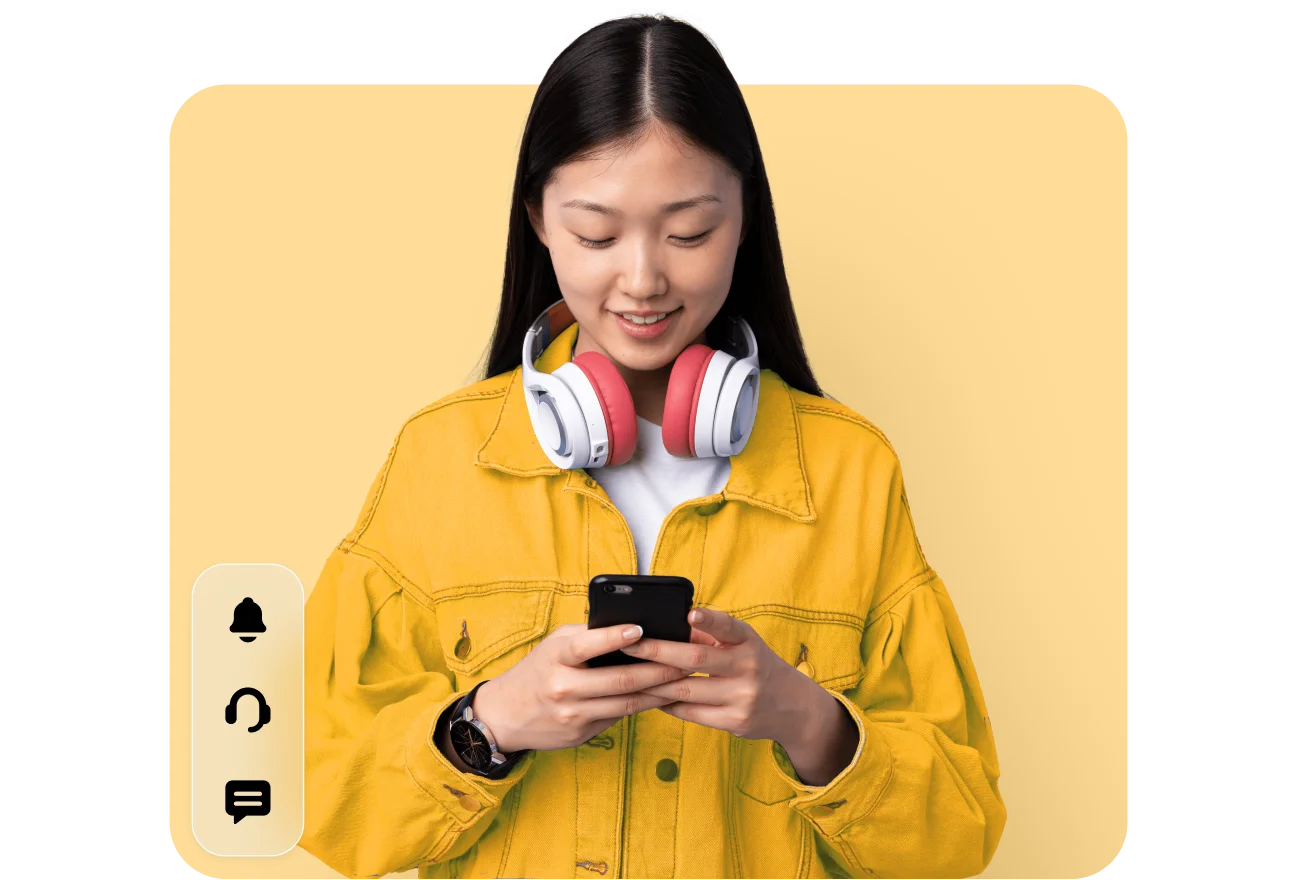

Marketing used to be about sending a message and hoping someone noticed it. It’s more like turning on a conversation these days. Customers want brands to be where they already are and that’s inside messaging apps. That’s also what makes RCS and WhatsApp Business so attractive for marketing communication.
Both options allow brands to communicate directly with customers’ phones but produce slightly different effects. Some companies favor the rich, interactive experience of RCS, while others prefer the conversational style of WhatsApp.
Tools like Sinch enable companies to engage through these channels in a way that aligns with their marketing strategy and customer engagement priorities.
What Makes RCS Interesting for Marketing
Imagine RCS as the next step up from SMS. Instead of just sending text, brands can send messages with images, product carousels, suggested replies, and action buttons. For marketers it opens new possibilities.
A fashion label could send out a message with several looks on a swipeable carousel. A meal delivery service may promote daily bargains with buttons customers can tap to start ordering. This type of interaction is why businesses apply RCS for customer satisfaction. Consumers get immediate, visually engaging and helpful information without having to download an app. It’s all inside the phone’s native messaging interface.
Sinch enables enterprises to activate RCS messaging, allowing brands to bring these experiences to scale.
Why WhatsApp Business Feels More Conversational
WhatsApp operates a bit differently. Rather than focusing mainly on interactive cards or buttons, it opens room for ongoing dialogue between consumers and companies.
With Sinch WhatsApp API for enterprises, brands can convey various types of messages such as notification, promotional content and customer support through WhatsApp. The experience is akin to chatting with a friend, with the main difference being the friend is a brand.
Imagine a travel company sending a message about discounted flights. Instead of answering only to the notification, the customer can make questions about dates, baggage regulations or seat availability within the chat. This style of interaction can also make customers feel more comfortable when talking to companies.
Looking at Engagement Differences
Brands can engage with their customers on RCS and WhatsApp, but there are a few key differences between the two platforms that you should be aware of.
RCS is all about visual discovery. Messages can feature products in a grid-like, interactive layout, making it easier for customers to browse through options.
WhatsApp is more suited to ongoing chats. Customers can respond, ask questions, and engage with the brand as much as they want, whenever they want. By using Sinch WhatsApp API India, companies can seamlessly connect their internal systems with WhatsApp communications, allowing for the management of a multitude of customer conversations.
Thinking About Cost and Campaign Strategy
Another consideration for businesses is the way messaging campaigns fit within their overall marketing budget. They may also be comparing how tailored RCS business messaging pricing stacks up against the cost of numbers in other communication channels, such as SMS.
Since RCS messages can be interactive and branded, they are commonly used in campaigns for product discovery or promotions. WhatsApp messaging, on the other hand, is used heavily for following up, customer service, and relationship-based communication.
Sinch delivers the infrastructure that enables businesses to seamlessly execute on these messaging strategies.
Why Many Brands Use Both Channels
Here’s the interesting part: many businesses don’t choose between RCS and WhatsApp, they use both.
RCS allows for visually stimulating messages that can display products and WhatsApp is used to keep the dialogue going when a customer responds or has questions. With Sinch messaging solutions, businesses can bring multiple communication channels together and run customer engagement, improve visibility and boost sales all from a single platform.
In Summary
RCS and WhatsApp Business are excellent marketing platforms but have different intentions. RCS is all about using interactive, visual-rich campaigns to allow shoppers to find products faster. WhatsApp has made real conversations between brands and customers possible, and that now feels very natural.
Rather than favor one channel over the other, a lot of companies are leveraging both to form cohesive messaging strategies. With Sinch WhatsApp API for enterprises, businesses can leverage RCS and WhatsApp to connect with customers via entertaining marketing experiences.
FAQs
1. How is marketing engagement enhanced by RCS for customer satisfaction?
RCS for customer satisfaction enables brands to push interactive messages with images, buttons and product carousels.
2. What is the purpose of Sinch WhatsApp API for enterprises?
Sinch WhatsApp API for enterprises enable organizations to automate messaging and handle customer conversations at scale.
3. What’s the process for companies to get RCS business messaging pricing for campaigns?
RCS business messaging pricing enables companies to visualize rich messaging campaigns in advance and will provide them with a clear idea of how much their communication will cost.






.webp)