Sign up with Google
 Sign in with Zoho
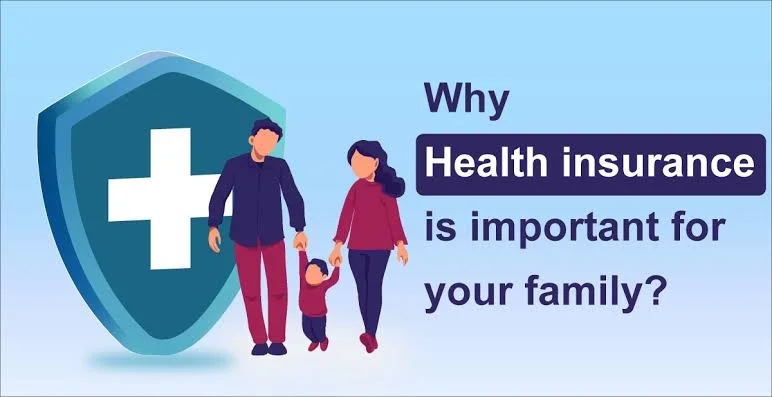
Nobody plans for a medical emergency. A road accident, a sudden diagnosis, or a complicated delivery can arrive with no warning, and the bills that follow can be overwhelming. Health insurance is the safety net that keeps a health crisis from turning into a financial one.
Whether you are a young professional, a parent raising children, or caring for aging parents, health insurance protects both your wellbeing and your savings. Here is why it matters.
1. It Protects You From Crushing Medical Bills
The most obvious benefit of health insurance is financial protection. Hospital stays, surgeries, intensive care, and specialist treatment cost far more than most people can afford out of pocket. A single serious illness can drain years of savings, force you to sell assets, or push you into debt.
With insurance, the insurer pays all or most of the eligible costs, up to your coverage limit. You pay a predictable premium instead of facing an unpredictable, potentially huge bill. This trade of a small, regular cost for protection against a large, uncertain one is the core idea of insurance.
2. Medical Costs Keep Rising
Healthcare costs rise year after year. New technology, advanced drugs, and specialized procedures improve outcomes, but they also push up prices. Treatment that cost a modest amount a decade ago can cost several times as much today.
This medical inflation means savings alone are rarely enough. Money set aside for emergencies can be quickly outpaced by the cost of a major treatment. A health insurance policy gives you a defined level of protection that does not depend on how much cash you have on hand when illness strikes.
3. It Gives You Access to Quality Healthcare
Insurance does more than pay bills. It opens doors to better care. With a good plan, you can choose from a network of reputable hospitals and doctors, and you are more likely to seek treatment early instead of delaying it because of cost.
Many people without coverage put off check-ups, ignore symptoms, or skip prescribed treatment to save money. This often turns manageable conditions into serious ones. When you know your plan will help cover the cost, you are more willing to see a doctor at the first sign of trouble, and early treatment leads to better results and lower costs overall.
4. Cashless Treatment Removes Stress in Emergencies
In a medical emergency, the last thing you should worry about is arranging money. Many insurance plans offer cashless treatment at network hospitals, meaning the insurer settles the bill directly with the hospital.
This is a major relief for families. Instead of scrambling for funds, borrowing from relatives, or breaking fixed deposits at the worst possible moment, you can focus on the patient. Even where cashless treatment is not available, most plans reimburse eligible expenses after you file a claim.
5. It Safeguards Your Family's Financial Future
For families, the stakes are higher. If a breadwinner falls ill, the household faces two problems at once: rising medical expenses and a loss of income. Without insurance, families may have to dip into funds meant for children's education, a home purchase, or retirement.
Health insurance keeps those long-term goals on track. A family floater plan covers all members under a single sum insured, usually at a lower cost than buying separate policies. This lets one policy protect a spouse, children, and sometimes parents, giving the whole household a shared layer of security.
6. It Covers More Than Hospital Stays
Modern health plans cover a wide range of needs, not just overnight admissions. Depending on the policy, benefits may include:
- Pre- and post-hospitalization expenses, such as tests and follow-up visits
- Day-care procedures that do not require a full-day stay
- Ambulance charges
- Maternity and newborn care
- Treatment for critical illnesses
- Mental health care
- Alternative treatments such as Ayurveda or homeopathy
- Preventive health check-ups
Because coverage differs between plans, it is important to read the policy details and choose one that fits your family's situation.
7. It Encourages Preventive Care
Many insurers now promote prevention as well as treatment. Annual health check-ups, wellness programs, vaccination support, and rewards for healthy habits are increasingly common.
Preventive care catches problems early, when they are easier and cheaper to treat. Conditions like diabetes, high blood pressure, and high cholesterol are far more manageable when found early. By encouraging regular screening, health insurance supports a healthier life, not just a cheaper bill.
8. It Helps Manage Chronic and Long-Term Conditions
Millions of people live with long-term conditions that require ongoing treatment, medication, and monitoring. These costs add up over the years and can strain even a comfortable budget.
Insurance can ease this burden. Some plans cover specific chronic conditions after a waiting period, and others offer disease management programs. If you or a family member has an existing condition, insurance can make long-term care far more affordable. The earlier you buy, the sooner the waiting periods end and the more benefit you can get.
9. Premiums Are Lower When You Buy Early
Health insurance is cheapest when you are young and healthy. Premiums generally rise with age, and a new diagnosis can make coverage costlier, more restricted, or harder to obtain.
Buying early also gets your waiting periods out of the way, so you are fully covered by the time you are more likely to need care. Many insurers also reward claim-free years with no-claim bonuses that increase your cover without raising your premium. Starting young lets these benefits build up over time.
10. Tax Benefits Can Reduce the Cost
In many countries, premiums paid for health insurance qualify for tax deductions or other incentives. These benefits can offset part of the cost, and some jurisdictions extend them to premiums paid for spouses, children, and parents, with higher limits for senior citizens.
Tax rules differ by country and change over time, so check the current regulations or consult a tax professional. Still, this advantage makes insurance more affordable and turns a protective purchase into a smart financial decision as well.
11. Employer Coverage Is Not Always Enough
Many people rely on the group health insurance their employer provides. It is a valuable benefit, but it has limits. The sum insured is often modest, and coverage may not extend fully to parents or other dependents. Most importantly, it usually ends when you leave the job, whether by choice, layoff, or retirement.
Losing coverage at an age when buying a new policy is more expensive, or when you have developed a health condition, can leave you exposed. A personal or family policy that stays with you regardless of employment offers continuity. Many people keep both, using the employer plan as a base and a personal policy as a long-term safeguard.
12. It Brings Peace of Mind
Not every benefit shows up on a statement. Knowing you and your family are protected reduces anxiety about the unknown. You can make career decisions, such as changing jobs or starting a business, without worrying that a health setback will wreck your finances.
That peace of mind has real value. When illness does strike, you can concentrate on recovery, supported by a plan that has already been paid for.
Tips for Choosing the Right Health Insurance
Getting the most from your policy depends on choosing well. Keep these points in mind:
- Assess your needs: Consider age, family size, health history, and any planned procedures.
- Choose an adequate sum insured: Base it on treatment costs in your area, and consider a top-up plan for extra cover.
- Check the network: Make sure quality hospitals near you accept the plan.
- Read the fine print: Review exclusions, waiting periods, sub-limits, and co-payments.
- Check the insurer's record: Look at the claim settlement ratio, settlement speed, and customer reviews.
- Disclose honestly: Share your full medical history to avoid claim rejections later.
- Compare before buying: Get quotes from several insurers and consider speaking with a licensed advisor.
Final Thoughts
Health insurance is not a luxury. It is a basic part of financial planning for individuals and families alike. It shields your savings from large medical bills, gives you access to quality care, supports early treatment and prevention, and protects the goals you have worked toward.
The best time to buy is now, while you are healthy and premiums are low. Take time to compare plans, understand what you are paying for, and choose a policy that fits your family's needs. When the unexpected happens, you will be glad you made the decision early.