Sign up with Google
 Sign in with Zoho

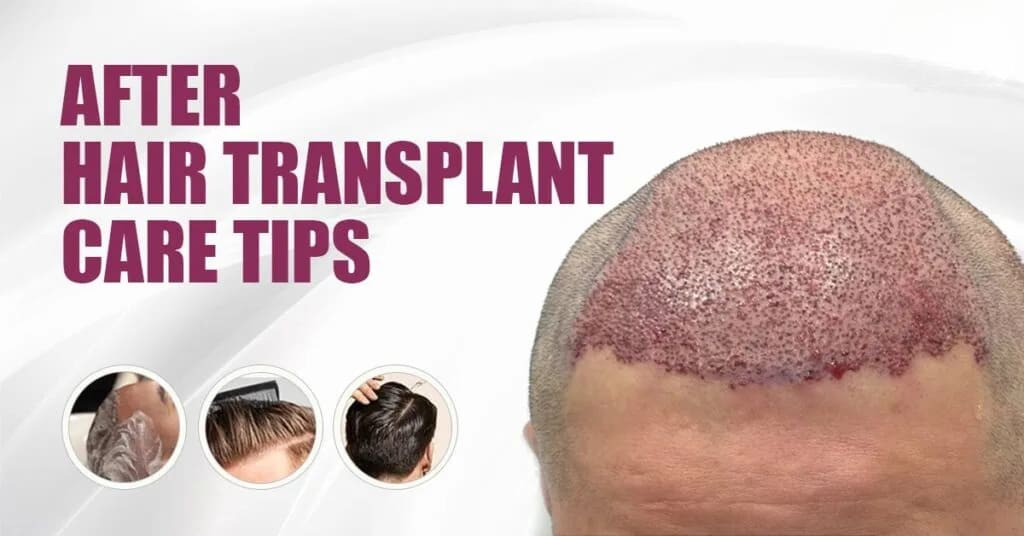
Getting a hair transplant is a big decision. You have spent time, money, and effort to restore your hair - and now the real work begins. Many people think the procedure is everything, but the truth is that how you care for your scalp and new hair after the surgery plays an equally important role in the final results.
Whether you have just had the procedure done or are planning to get one soon, this guide will walk you through the do's and don'ts of post-transplant hair care in a simple, easy-to-follow way.
The First Few Days Are the Most Important
Right after a hair transplant, your scalp will be sensitive. The newly placed grafts are not yet fixed in place - they need time to settle and anchor into the skin. This is why the first 7 to 10 days after hair transplant surgery are considered the most critical period.
During this time, you should:
- Avoid touching or scratching your scalp, even if it feels itchy. Itching is normal and a sign of healing, but scratching can dislodge the grafts.
- Sleep with your head elevated - use two pillows to keep your head slightly raised. This reduces swelling on the forehead and around the scalp.
- Do not wash your hair on your own for the first two to three days unless your doctor tells you otherwise. When you do start washing, use the special medicated shampoo or lotion given by the clinic and follow the instructions carefully.
- Avoid direct sunlight on the treated area. If you need to step out, wear a loose cap or use an umbrella.
These steps are basic but very important. Missing even one of them can affect how well the grafts take root.
Washing Your Hair the Right Way
One of the most common mistakes people make is washing their hair too harshly in the weeks following a transplant. The scalp needs gentle handling.
Here is how to wash correctly:
- Use lukewarm water, not hot water. Hot water can irritate the scalp and loosen the grafts in the early days.
- Apply the shampoo with your fingertips using soft, circular motions. Do not rub or scrub.
- Rinse gently - let the water flow over the scalp naturally rather than using strong pressure.
- Pat dry with a soft towel. Never rub your scalp dry.
You can typically return to normal washing by the end of the second or third week, but always check with your doctor before making changes.
The Shedding Phase - Do Not Panic
Around 2 to 6 weeks after the surgery, you will notice that the transplanted hair starts to fall out. This is completely normal and is called the "shock loss" or shedding phase. It happens because the hair follicles go into a resting phase before they start producing new hair.
Many patients get worried at this stage and think the procedure has failed. But this is actually a sign that things are progressing as they should. New hair growth typically begins between 3 to 4 months, and most people see significant results by 8 to 10 months.
Doctors at the Best Hair Transplant Clinic in Gurgaon often remind their patients about this phase before the surgery itself so that they are mentally prepared. Knowing what to expect goes a long way in reducing unnecessary stress during recovery.
Diet and Lifestyle After a Hair Transplant
Your hair needs nutrition from the inside too. What you eat directly affects how fast and how well your hair grows.
Foods that help:
- Eggs and lentils (rich in protein - hair is made of protein)
- Spinach, methi, and other leafy vegetables
- Almonds, walnuts, and seeds
- Fruits like amla (Indian gooseberry), which is great for hair health
Things to avoid:
- Alcohol and smoking - these reduce blood circulation, which is essential for graft survival. Avoid both for at least one month after surgery.
- Junk food, too much sugar, and oily snacks - these can cause inflammation and slow down healing.
- Too much stress - stress is one of the biggest causes of hair loss. Try light yoga, walking, or simple breathing exercises.
Physical Activity and Sun Exposure
You will need to take a break from heavy exercise for at least 3 to 4 weeks. Activities like gym workouts, running, cycling, and swimming increase sweating and blood pressure, which can be harmful for the grafts in the initial weeks.
Light walking is fine after the first week.
As for sun exposure - direct sunlight on the scalp should be avoided for at least 4 weeks. UV rays can damage the healing skin and even cause the transplanted area to darken permanently. Always cover your head when going out during daytime.
Follow-Up Visits Are a Must
No matter how well you follow the care instructions at home, regular follow-up with your doctor is important. These visits help the doctor track your progress, check for any signs of infection, and adjust your medicines if needed.
A good Hair Transplant Doctor in Gurgaon will always schedule follow-up appointments as part of the treatment plan. If you notice anything unusual - excessive redness, pus, pain, or unusual swelling - do not wait for your next scheduled visit. Contact the clinic immediately.
Long-Term Care for Transplanted Hair
Once your hair has grown in fully - usually after 10 to 12 months - it behaves just like your natural hair. You can cut it, colour it, and style it as you like. However, it is still a good idea to:
- Use mild, sulphate-free shampoos
- Oil your hair regularly with coconut or almond oil
- Avoid harsh chemical treatments frequently
- Protect your scalp from extreme heat - whether from the sun or from styling tools like dryers and straighteners
A Word on Choosing the Right Clinic
Post-operative care instructions can vary depending on the technique used during the transplant - FUE, FUT, or newer methods like Hair-ART. This is why the clinic you choose matters.
At SB Trichology Clinic, Dr. Shilpi Bhadani and her team guide patients step by step throughout the recovery process. Known as one of the Best Hair Transplant Clinic in Gurgaon, the clinic is recognised for its personalised care and natural-looking results. Dr. Shilpi Bhadani is also regarded as a leading Hair Transplant Doctor in Gurgaon with over 18 years of experience in hair restoration surgeries.
Final Thoughts
A hair transplant is not just a one-day procedure. It is a journey - from the day of surgery to the months of recovery and growth that follow. Taking good care of your scalp, eating right, avoiding harmful habits, and staying in touch with your doctor are all part of that journey.
If you follow these steps sincerely, the results will speak for themselves. Good hair is not just about how it looks - it is about how it makes you feel.